 English
 русский
 Español
If you have ever compared yarn specifications for towels, baby clothing, or woven napkins, you have probably noticed that some cotton yarns are labeled "mercerized" while others carry no such label. The unlabeled ones are usually unmercerized cotton yarn, and the difference matters far more than most hand-craft articles suggest.
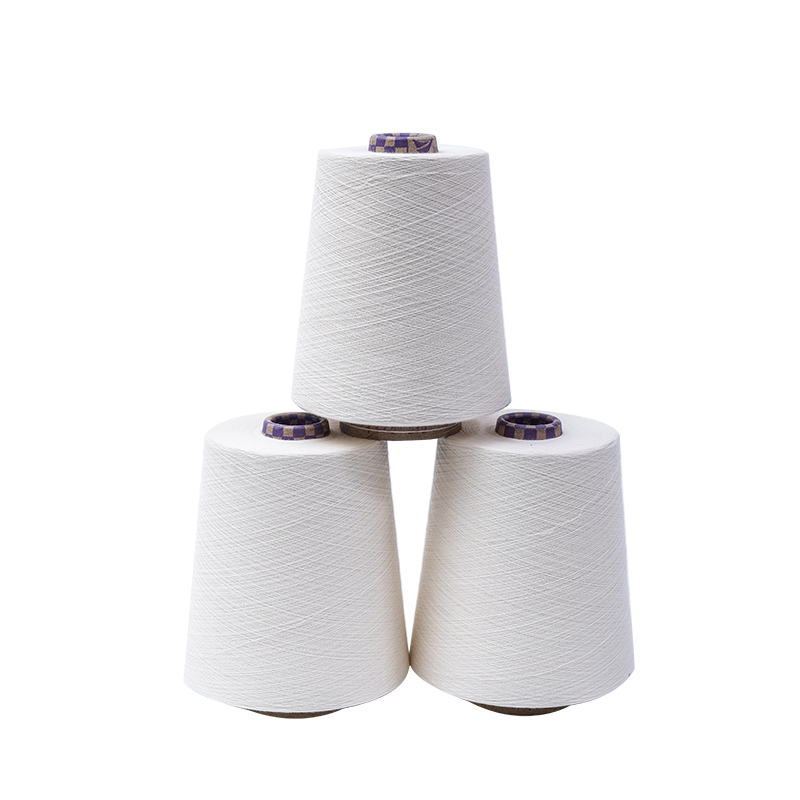
We at Double Great Textile have spent more than 40 years manufacturing high-quality yarns used by leading international fashion brands. In our daily work with textile buyers and product developers, the mercerized-versus-unmercerized question comes up constantly. Here is the direct answer: unmercerized cotton yarn is cotton yarn that skips the mercerization treatment, keeping the fiber's natural matte appearance, soft hand-feel, and fast water absorption. This guide explains what that means in practice, how it affects your products, and how to judge quality when sourcing.
What Does "Unmercerized" Mean? The Definition
To understand unmercerized cotton yarn, you first need to understand what it is compared against. Mercerization is a chemical process patented by British chemist John Mercer in 1844. During mercerization, cotton yarn is held under tension and immersed in a concentrated sodium hydroxide solution, commonly known as caustic soda. The alkali swells each cotton fiber, relaxing the natural twists in the cellulose structure. As the fiber swells, its cross-section changes from a flat, kidney-like shape to a rounder profile. The treatment also removes much of the natural wax on the fiber surface.
This chemical reshaping produces three commercially valuable results: permanent silky luster, higher tensile strength, and much stronger dye affinity. Mercerized yarn takes up dyestuff more readily and produces deeper, more saturated colors.
Unmercerized cotton yarn simply bypasses that entire chemical step. The fibers keep their original kidney-shaped cross-section, their natural wax coating, and their unmodified surface structure. There is no luster-enhancing bath, no strength-boosting treatment, and no change to the fiber's natural chemistry.
A useful way to think about it: mercerization is like a chemical resurfacing of the cotton fiber, while unmercerized cotton stays in its natural-born state.
How Unmercerized Cotton Yarn Is Made
The manufacturing route follows the same core spinning stages as any other cotton yarn. Raw cotton is opened and cleaned to remove trash and dust, then carded to separate and align the fibers into a web. The web is drawn into slivers, combined and drafted over several passages, then turned into roving before being spun into yarn on a ring or compact spinning frame. The final step is winding the yarn onto cones or packages.
One optional step changes the quality profile dramatically: combing. Combing is a mechanical process that removes short fibers, neps, and remaining impurities. What remains is a more uniform bundle of longer, cleaner fibers. A combed unmercerized cotton yarn is smoother, stronger, and far more even than a carded-only version.
This is where manufacturers and hobbyists often confuse two very different processes. Combing is physical; mercerizing is chemical. Combing removes short fibers; mercerizing changes the chemistry and shape of every remaining fiber. A combed cotton yarn can be completely unmercerized. In fact, many of the finest unmercerized yarns on the market are combed yarns.
At Double Great Textile, Swiss, German, and Japanese combing and automatic winding equipment controls fiber preparation tightly. Our combed cotton yarn range, for example, benefits from precisely controlled combing that minimizes hairiness and unevenness while remaining free of any caustic treatment.
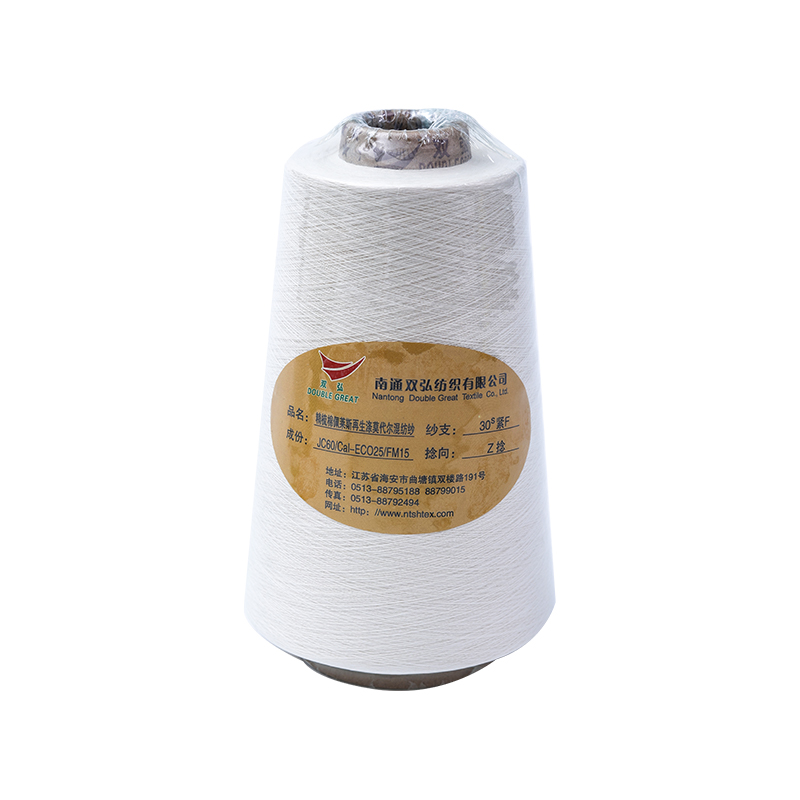
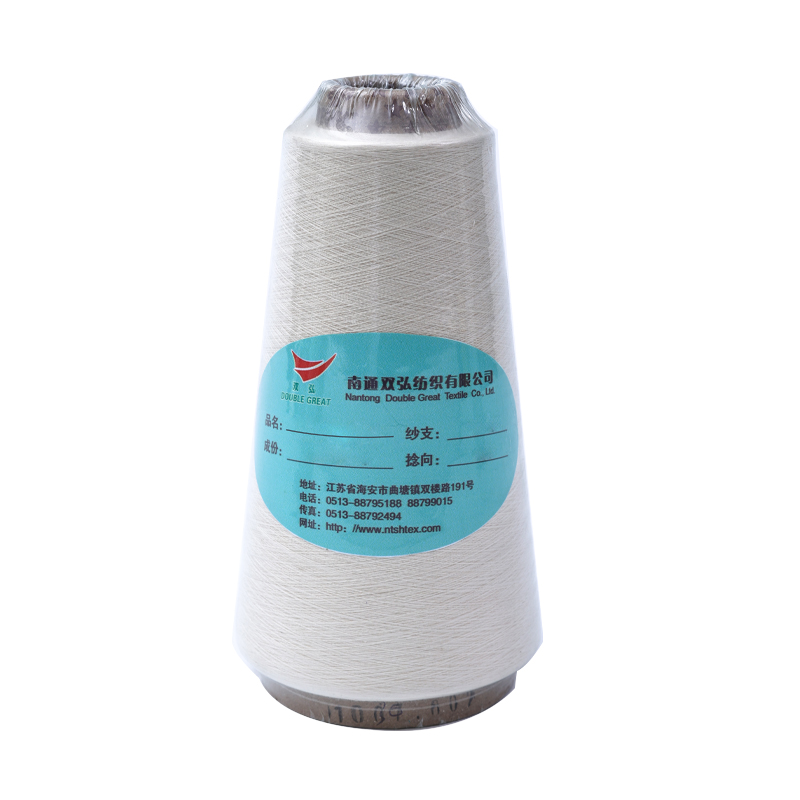 Combed Cotton/Viscose Blended Yarn Factory, ManufacturersNantong Double Great Textile is china combed cotton blended yarn factory and viscose blended yarn manufacturers, we provides wholesale co...View Product →
Key Properties of Unmercerized Cotton Yarn
The properties of unmercerized cotton yarn follow directly from the fact that its fibers remain untreated. Here is how that affects real-world performance:
- Absorbency: Because the natural waxes and capillary structure stay intact, unmercerized cotton wets quickly and transports moisture efficiently. This makes it the preferred choice for towels, washcloths, and kitchen textiles where rapid water pick-up is the top priority.
- Hand feel and softness: The fiber surface carries natural fuzz and a slightly soft, dry touch. Fabrics made from unmercerized yarn feel gentle against the skin, which is why they are common in baby clothing, underwear, and loungewear.
- Color and appearance: Unmercerized cotton has a matte, natural look. Dye uptake is lower than that of mercerized yarn, so colors appear softer and less saturated. If your design calls for earthy, muted tones or a rustic aesthetic, this is an advantage. If you need neon-bright colors, it is not.
- Durability: Since the fibers have not been strengthened by alkali swelling, unmercerized cotton yarn has moderate tensile strength. Fabrics wear slightly faster and are more prone to abrasion than mercerized counterparts. Combing can partially compensate by removing weak short fibers and improving yarn evenness.
- Shrinkage: Unmercerized cotton shrinks more during the first few washes. A well-built fabric can accommodate this through pre-shrinking or design allowance, but it is a real consideration in garment development.
When durability is a concern, blending is a time-tested strategy. A cotton-modal blended yarn, for instance, combines cotton's natural absorbency and comfort with modal's higher strength and better dimensional stability, giving you the unmercerized look without the weakest edge.
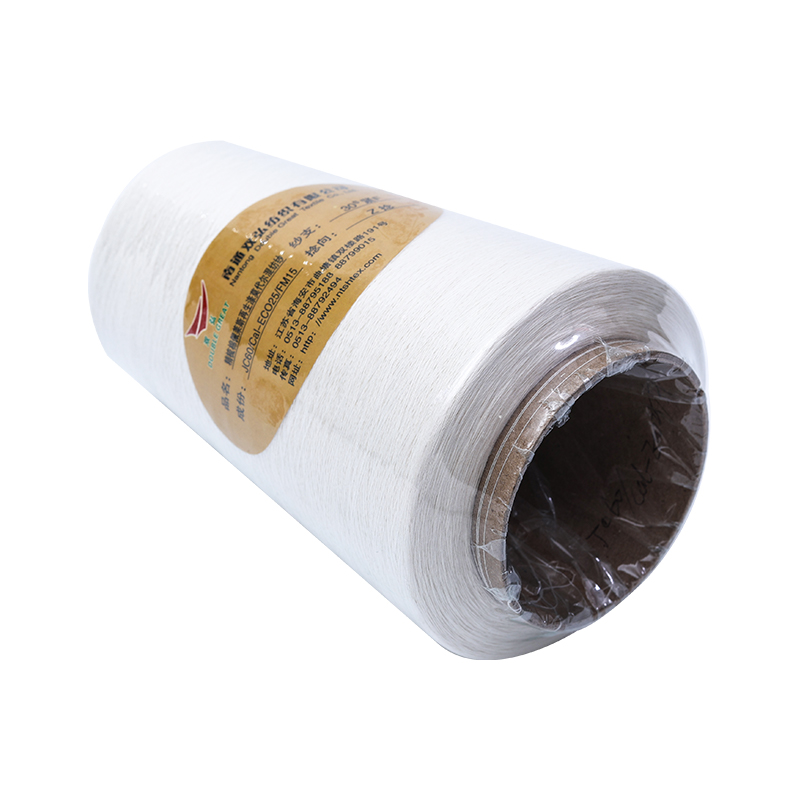 Combed Cotton/Modal Blended Yarn Factory, ManufacturersNantong Double Great Textile Co.,Ltd. is China wholesale Soft Sensation Yarn Series factory and Soft Sensation Yarn Series manufacturers,...View Product →
Unmercerized vs. Mercerized Cotton Yarn: Side-by-Side Comparison
A side-by-side comparison makes the differences easier to apply in product development.
| Property | Unmercerized Cotton Yarn | Mercerized Cotton Yarn |
|---|---|---|
| Surface | Natural fuzz, matte finish | Smooth, silky luster |
| Fiber cross-section | Kidney-shaped, flattened | Round, swollen |
| Water absorbency | Fast wetting, quick wicking | Higher total water retention after swelling |
| Dye behavior | Lower affinity, muted colors | High affinity, saturated colors |
| Strength | Moderate | Enhanced |
| Shrinkage | Higher | Lower |
| Typical uses | Towels, babywear, natural-look fabrics | Apparel, decorative textiles, vibrant colors |
Now, the absorbency question. Some weaving guides claim unmercerized cotton is always more absorbent; others say mercerized cotton absorbs more. Both can be true, because "absorbency" is not a single number. Mercerized cotton, with its swollen and more open fiber structure, can hold a higher total volume of water. But unmercerized cotton, with its natural capillaries and unmodified surface, wets faster and wicks moisture more aggressively at the moment of contact. For a towel, the speed of wetting is usually what you feel. For a saturated industrial wipe, total retention may matter more.
One practical weaving warning: the two yarns shrink differently. Combining them in the same fabric creates a puckered texture similar to seersucker, a desirable effect only if you plan for it.
Best Applications for Unmercerized Cotton Yarn
Unmercerized cotton yarn performs best where natural absorbency, softness, and a matte surface are assets:
- Towels and bath linens: Bath towels, hand towels, and washcloths benefit from fast wicking and high moisture pick-up.
- Kitchen textiles: Dishcloths and kitchen towels thrive on the quick-wetting behavior of untreated cotton.
- Napkins and table linens: A soft, natural hand and good absorbency make unmercerized yarn a classic choice for woven napkins and bread cloths.
- Baby clothing and underwear: The gentle, low-irritation surface is ideal for sensitive skin.
- Hand weaving and knitting: Crafters who want a rustic, matte aesthetic and a soft drape often prefer unmercerized yarn.
For industrial and apparel use, there are caution points. Unmercerized cotton dyes to softer shades, so color matching must be planned early. Abrasion resistance is lower, so high-wear garments may need a denser weave or a protective finish. And because shrinkage is higher, fabric finishing must include proper relaxation or pre-shrinking steps.
When the application demands more strength or faster drying than pure cotton can offer, a polyester-cotton blended yarn is an established industrial solution that keeps cotton comfort while adding durability and dimensional stability.
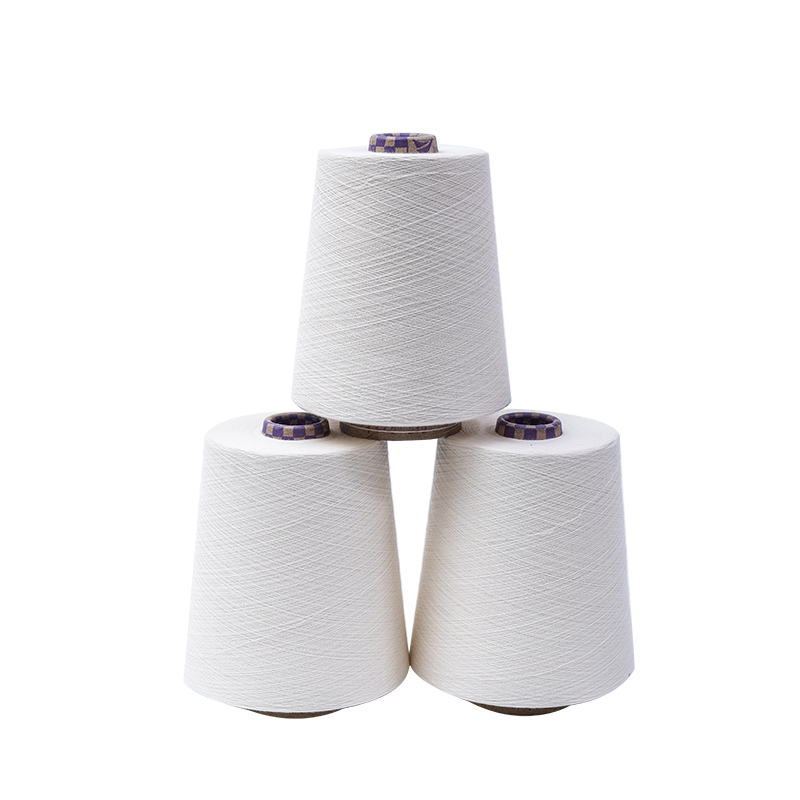 Polyester/Combed Cotton Blended Yarn Factory, ManufacturersNantong Double Great Textile is china polyester cotton blended yarn factory and combed cotton blended yarn manufacturers, we provides who...View Product →
How to Evaluate the Quality of Unmercerized Cotton Yarn
For buyers and product developers, quality is the real question. Here is what separates a premium unmercerized yarn from a mediocre one:
- Fiber length: Long-staple cotton varieties, such as Egyptian or Pima cotton, produce stronger, smoother yarns even without mercerization, while short staple fibers create hairiness and weak spots. Fiber length matters more when there is no chemical reinforcement.
- Combing: The single biggest quality upgrade for unmercerized yarn. A combed unmercerized yarn contains fewer short fibers, fewer neps, and far less hairiness than a carded-only version.
- Yarn count and twist: These define the balance of strength, softness, and drape. Higher twist suits warp yarns and industrial weaving; lower twist gives a softer hand for knitting.
- Hairiness control: Hairiness determines fabric appearance and finishing cost. Quality mills control it through combing parameters, traveler selection, and winding speed.
- Laboratory testing: Objective evidence comes from instruments such as USTER testers, which measure evenness, hairiness, strength, and imperfections. At Double Great Textile, our laboratory is CNAS-accredited and equipped with USTER testing instruments, and our yarns carry USTERIZED certification, a meaningful benchmark for consistency.
The practical takeaway: an unmercerized yarn made from long-staple cotton, combed carefully, and spun under controlled conditions can outperform a mediocre mercerized yarn in every dimension except gloss.
The Bottom Line
Unmercerized cotton yarn is simply cotton yarn that skips the mercerization chemical bath. In return, it keeps the fiber's natural matte look, fast wetting behavior, and soft, skin-friendly touch. It is not a lower-grade product; it is a different product with a clear purpose.
Choose unmercerized yarn when rapid absorbency, gentle comfort, and a natural appearance are your priorities, such as towels, napkins, baby clothing, and craft projects. Choose mercerized yarn when you need vivid color, higher strength, and a polished sheen. Remember that combing is the quiet hero of cotton yarn quality, often doing more for evenness and strength than any chemical treatment.
If you are developing a product that depends on the honest, natural behavior of cotton, the guidance is straightforward: match the yarn's properties to the end use, verify quality through reliable testing, and let the fabric's purpose decide.