 English
 русский
 Español
The Complete Technical Guide to Cotton Yarn: Manufacturing, Types, and Application Excellence
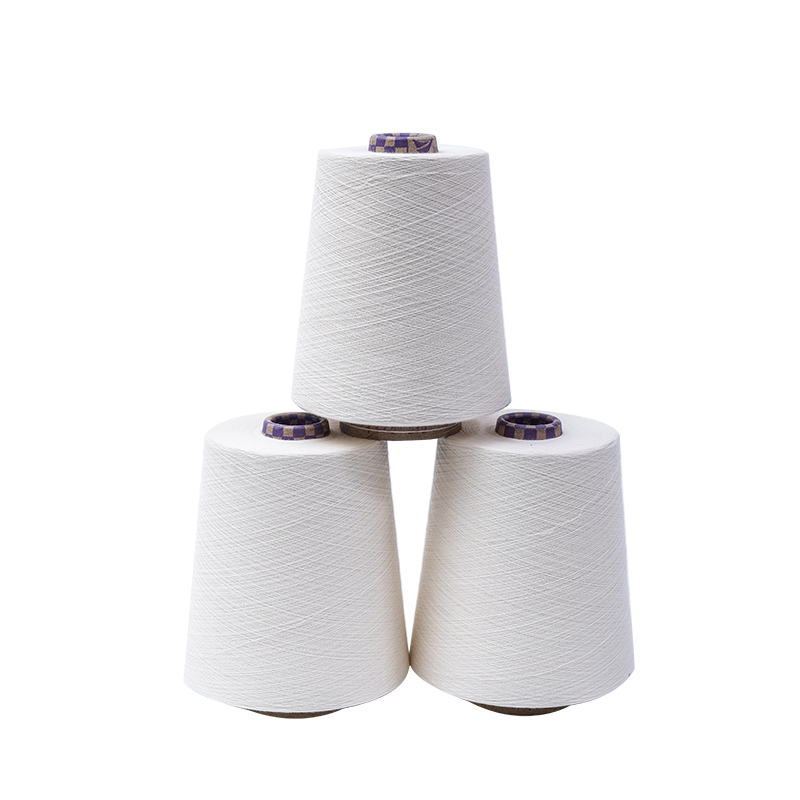
From raw fiber selection to finished textile performance, yarn cotton yarn represents one of the most versatile and widely adopted natural fiber materials in the global textile industry. This comprehensive resource examines the material science, production methodologies, classification systems, and practical applications of cotton yarn across industrial manufacturing and artisan craft sectors.
As a direct manufacturer with vertically integrated spinning facilities, we produce premium-grade cotton yarn that serves diverse market segments ranging from high-volume apparel weaving to specialized hand-crochet applications. Understanding the technical nuances of different cotton yarn varieties enables procurement professionals, textile engineers, and craft enthusiasts to make informed material selections that align with their specific performance requirements.
The global demand for sustainable, breathable, and skin-friendly textiles continues to drive innovation in cotton yarn processing. Whether your project requires the structural integrity of 100 cotton yarn for woven denim or the lustrous finish of mercerized cotton yarn for luxury bed linens, the underlying fiber characteristics and processing parameters determine the ultimate product quality.
What Is Cotton Yarn Made Of?
Cotton yarn originates from the seed hairs of plants belonging to the genus Gossypium. The primary constituent is cellulose, comprising approximately 88% to 96% of the fiber mass by weight, with the remainder consisting of moisture, natural waxes, pectin substances, and trace proteins. The transformation from agricultural harvest to spinnable fiber involves a sequence of mechanical processing stages that preserve the inherent structural integrity of the cellulose polymer chains.
The manufacturing journey begins in the blowroom, where raw cotton bales undergo opening, blending, and intensive cleaning. Modern blowroom lines process between 1,000 and 2,000 pounds per hour with trash removal efficiency exceeding 95%. Clean lint with foreign matter content below 1% achieves yarn strength values 5% to 8% higher than material with elevated trash levels, directly impacting the spinnability into finer counts.
Following cleaning, carding aligns disorganized fibers into parallel orientation while eliminating short fibers and neps. Carded sliver typically achieves uniformity indices between 82% and 85%. For premium applications requiring finer yarn counts above Ne 50, an additional combing stage removes remaining short staples, elevating length uniformity to 88% to 90% and increasing tensile strength by 5% to 10 g/tex. Drawing frames subsequently combine multiple slivers, reducing thickness variation to coefficients below 3% through precision roller drafting systems.
Roving frames apply an initial light twist of 1 to 2 turns per inch, creating cohesive strands ready for final spinning. Ring spinning, the predominant method for high-quality cotton yarn production, inserts true twist via traveler mechanisms at speeds yielding yarn strength values of 25 to 30 g/tex. Open-end rotor spinning offers higher throughput at 200 meters per minute versus 40 meters per minute for ring systems, producing bulkier yarn structures ideal for absorbent applications such as terry towels. The resulting 100 cotton yarn maintains its natural hypoallergenic properties and complete biodegradability, decomposing in soil environments within five to six months.
What Are the Different Types of Cotton Yarn?
The classification of cotton yarn extends beyond simple fiber content percentages. Processing treatments, botanical origins, and functional modifications create distinct material categories, each exhibiting unique performance profiles suited to specific end-use scenarios.
Mercerized Cotton Yarn
Mercerized cotton yarn undergoes treatment with concentrated sodium hydroxide solution under controlled tension, followed by neutralization. This chemical process induces permanent structural changes: the natural flat, ribbon-like fiber cross-section transforms into a more circular profile, increasing surface reflectivity and producing a characteristic silk-like luster. Dye absorption improves by approximately 20%, yielding deeper, more colorfast shades. Paradoxically, while moisture regain decreases slightly to 6.5% to 7.5%, the tensile strength increases to 4.0 to 4.5 g/denier compared to 3.0 to 3.8 g/denier for untreated equivalents. The enhanced dimensional stability and reduced shrinkage make mercerized cotton yarn the preferred choice for table linens, bed sheets, and decorative home textiles requiring repeated laundering without distortion.
Long-Staple Varieties: Pima and Egyptian Cotton
Pima cotton, derived from Gossypium barbadense, features fiber lengths exceeding 1 3/8 inches (35 mm), significantly surpassing the 1 to 1 1/4 inches typical of standard Upland varieties. Egyptian cotton shares this extra-long-staple classification. The extended fiber length enables spinning into finer counts with fewer protruding ends, resulting in exceptionally smooth yarn surfaces with minimal hairiness. Fabrics woven from these yarns exhibit superior drape, hand-feel, and resistance to pilling. Production volumes remain limited, with Pima representing approximately 3% of United States cotton cultivation, commanding premium pricing reflective of the specialized agronomic requirements and extended processing protocols.
Organic Cotton Yarn
Organic cotton yarn production eliminates synthetic pesticides, genetically modified organisms, and chemical fertilizers from the agricultural phase. Certification through standards such as GOTS (Global Organic Textile Standard) ensures traceability from field to finished yarn. The resulting fiber retains higher proportions of natural waxes and pectins, imparting a distinctive soft handle that differentiates organic products from conventionally processed alternatives. Water consumption in organic cultivation typically reduces by 30% to 50% compared to intensive conventional farming, addressing critical sustainability metrics increasingly prioritized by environmentally conscious consumers and procurement frameworks.
What Is Milk Cotton Yarn?
What is milk cotton yarn? This innovative material represents a protein-modified fiber blended with natural cotton. The manufacturing process begins with liquid milk dehydration and defatting to extract casein protein. Through graft copolymerization with acrylonitrile, the protein transforms into spinnable polymer form, which is then combined with cotton fibers in predetermined ratios. The resulting composite yarn merges the breathable, moisture-absorbing characteristics of cotton with the lustrous smoothness and enhanced drape of milk protein fibers. Typical applications include infant garments, luxury scarves, and intimate apparel where skin contact comfort represents the paramount design consideration. Milk cotton yarn typically processes in counts ranging from Ne 20s to Ne 40s, with finished fabrics exhibiting a subtle pearlescent sheen absent from standard cellulose-based materials.
Comparative Technical Specifications of Cotton Yarn Varieties
| Specification | 100 Cotton Yarn | Mercerized Cotton Yarn | Milk Cotton Yarn | Organic Cotton Yarn |
| Fiber Composition | 100% Cellulose Fiber | 100% Cotton (Caustic Treated) | Cotton + Casein Protein Fiber | 100% Certified Organic Cotton |
| Breaking Strength | 3.0 – 3.8 g/denier | 4.0 – 4.5 g/denier | 3.2 – 4.0 g/denier | 2.8 – 3.6 g/denier |
| Moisture Regain | 7.0% – 8.5% | 6.5% – 7.5% | 7.0% – 8.0% | 7.5% – 9.0% |
| Surface Luster | Natural Matte | High Silken Sheen | Soft Pearlescent | Soft Natural Matte |
| Dye Affinity | Good | Excellent (+20% uptake) | Good | Moderate to Good |
| Shrinkage Rate | Medium to High | Low to Medium | Medium | Medium to High |
| Standard Count Range | Ne 10s – Ne 80s | Ne 20s – Ne 60s | Ne 20s – Ne 40s | Ne 16s – Ne 60s |
| Typical End Uses | T-shirts, Towels, Casual Wear | Bedding, Table Linens, Luxury Crochet | Baby Clothing, Scarves, Intimates | Eco-friendly Apparel, Baby Products |
| Biodegradability | Complete (5–6 months) | Complete (5–6 months) | Partial (protein component) | Complete (5–6 months) |
All parameters measured under standard atmospheric conditions (20°C, 65% relative humidity). Actual values may vary based on spinning tension, twist multiplier, and finishing treatments applied during production.
What Are the Benefits of Using Cotton Yarn?
Superior Moisture Management
Cotton yarn exhibits exceptional hygroscopic behavior, with a standard moisture regain of 8.5% and the capacity to absorb up to 24% to 27% of its own weight in liquid water. This property enables rapid perspiration wicking from skin surfaces followed by efficient evaporation, maintaining thermal comfort in warm and humid climatic conditions. Unlike synthetic alternatives that trap moisture against the skin, cotton yarn facilitates continuous microclimate regulation within the garment boundary layer.
Hypoallergenic Skin Compatibility
The pure cellulose composition of 100 cotton yarn eliminates the chemical irritants and residual monomers present in petroleum-based synthetic fibers. Clinical studies indicate significantly lower incidence of contact dermatitis and textile-related allergic responses when cotton fabrics maintain direct skin contact. This biocompatibility makes cotton yarn indispensable for infant clothing, medical dressings, and sensitive-skin apparel categories where material safety cannot be compromised.
Thermal Stability and Safety
Cotton fibers demonstrate excellent thermal resistance, withstanding ironing temperatures up to 200°C without structural degradation or melting. This characteristic contrasts sharply with thermoplastic synthetic fibers that soften, fuse, or release toxic fumes when exposed to elevated heat. The non-thermoplastic nature of cotton yarn enhances garment safety profiles and simplifies pressing and finishing operations in both industrial and domestic settings.
Environmental Circularity
As a annually renewable agricultural resource, cotton production sequesters atmospheric carbon during the growing season. Post-consumer cotton textiles degrade completely in composting environments, returning organic matter to soil ecosystems without microplastic contamination. The mechanical processing nature of cotton yarn manufacturing, from ginning through spinning, requires minimal chemical intervention compared to the polymerization and solvent extrusion processes necessary for synthetic fiber production. Energy consumption metrics favor cotton across the full lifecycle analysis in numerous peer-reviewed assessments.
Structural Versatility
Cotton yarn adapts to an extraordinarily broad spectrum of textile construction methods. In weaving applications, cotton warp yarns accept sizing treatments that provide abrasion resistance during high-speed loom operations exceeding 2,000 meters per minute filling insertion rates. For knitting, lower twist coefficients produce the soft hand and minimal torque essential for comfortable jersey and interlock fabrics. Cotton yarn for crochet applications delivers crisp stitch definition that accentuates textured patterns and openwork designs, with the structural stability to maintain dimensional accuracy through repeated handling and washing cycles.
Aging and Wash Performance
Contrary to misconceptions regarding cotton durability, properly constructed cotton yarn fabrics often outlast comparable synthetic blends by factors of two to three in standardized wear testing. Mercerized cotton yarn exhibits enhanced resistance to surface abrasion and improved color retention through repeated wash cycles. The fiber structure softens progressively with laundering rather than degrading, explaining the enduring popularity of vintage cotton garments that develop increasingly comfortable handles over years of use.
Cotton Yarn for Crochet: Technical Considerations
Cotton yarn for crochet occupies a specialized niche within handcraft markets, distinguished by properties that differ substantially from wool or acrylic alternatives. The absence of natural crimp and elasticity in cellulose fibers means that cotton crochet projects rely entirely on stitch tension and structural engineering for shape retention. This characteristic, initially perceived as challenging by novice crafters, ultimately produces garments and accessories with exceptional dimensional stability and resistance to stretching deformation.
The fiber surface of mercerized cotton yarn presents reduced friction against metal or polymer crochet hooks, enabling faster work speeds and smoother yarn glide. The smooth surface also produces highly defined stitch textures where each loop remains clearly visible, an aesthetic advantage for intricate lace patterns and textured relief work. Pima cotton variants introduce a subtle fuzzy halo that softens stitch edges, creating a more organic visual texture suitable for wearable accessories.
Hook Size Selection
Matching hook diameter to yarn thickness ensures optimal gauge consistency. For DK-weight cotton yarn (approximately Ne 20s), a 4.0 mm hook achieves standard tension. Worsted-weight varieties (Ne 10s to Ne 12s) require 5.0 mm to 5.5 mm hooks. Undersized hooks create overly dense, rigid fabric suitable for baskets and coasters. Oversized hooks produce draping, open fabric ideal for shawls and summer garments. Always work a 10 cm by 10 cm gauge swatch before commencing full projects, as cotton yarn exhibits minimal post-stitch relaxation compared to elastic fibers.
Tension Management
Cotton yarn lacks the inherent stretch that forgives inconsistent tension in wool crochet. Developing uniform hand pressure represents an essential skill when transitioning to plant-based fibers. Many experienced crocheters recommend working with slightly looser tension than customary, allowing the natural weight of cotton to settle stitches into consistent alignment. Metal hooks generally provide better glide than bamboo or wood when working with tightly twisted cotton yarns, reducing wrist fatigue during extended sessions.
What to Crochet with Cotton Yarn?
Home and Kitchen Accessories
What to crochet with cotton yarn? The absorbent, washable nature of cotton makes it the premier choice for functional household items. Dishcloths, pot holders, and trivets constructed from medium-weight 100 cotton yarn withstand repeated boiling water sterilization and machine washing at temperatures up to 60°C. The fiber structure becomes progressively softer with each laundering cycle while maintaining structural integrity. Market baskets and storage containers benefit from cotton yarn stiffness, which holds three-dimensional shapes without internal armature. Coasters and placemats in mercerized cotton yarn resist staining and maintain crisp geometric edges that elevate table settings.
Seasonal Apparel
Lightweight summer garments exploit the breathability and moisture-wicking capacity of cotton yarn. Openwork cardigans, beach cover-ups, and sleeveless tops constructed with fingering-weight cotton yarn (Ne 30s and finer) create comfortable thermal barriers without heat retention. The natural white base of undyed cotton accepts hand-dyeing techniques with reactive dyes, enabling custom color palettes for limited-edition collections. Cotton yarn crochet swimwear cover-ups dry rapidly when hung in ventilated spaces, resisting the mildew development common in synthetic alternatives left damp.
Baby and Children's Items
Milk cotton yarn and organic cotton yarn represent optimal selections for infant-directed crochet projects. The absence of chemical finishes and synthetic additives eliminates potential ingestion hazards for teething infants. Booties, bonnets, and receiving blankets worked in soft-twist Pima cotton provide gentle tactile stimulation without abrasive fiber ends. The thermal regulation properties of cotton prevent dangerous overheating in crib environments, addressing safety concerns that have led medical professionals to recommend natural fiber bedding for infant sleep spaces.
Decorative and Artistic Applications
Wall hangings, floral arrangements, and seasonal ornaments crafted from cotton yarn offer lightweight alternatives to woven tapestries. Space-dyed and variegated cotton yarns produce gradient color transitions without labor-intensive yarn changes, simplifying complex pictorial designs. The matte finish of unmercerized cotton absorbs ambient light rather than reflecting it, creating subtle visual depth in macramé-inspired wall art. For outdoor applications such as patio garlands, mercerized cotton yarn provides enhanced UV resistance and colorfastness compared to standard varieties.
How to Block Cotton Yarn?
How to block cotton yarn? Blocking represents the finishing process that transforms a completed crochet or knit piece from a slightly distorted work-in-progress into a professionally finished textile with precise dimensions and enhanced drape. Cotton yarn responds predictably to moisture-based blocking techniques, though the methodology differs from protein fibers such as wool.
Wet Blocking Protocol
Submerge the finished piece entirely in lukewarm water not exceeding 30°C. Add a small quantity of pH-neutral wool wash or delicate fabric detergent to facilitate fiber saturation. Allow the item to soak for 20 to 25 minutes, ensuring complete penetration of the yarn structure. Cotton yarn becomes significantly heavier when saturated, gaining up to 27% additional weight from absorbed water. When removing the piece from the bath, avoid lifting by any single edge or point, which causes gravitational stretching. Instead, gather the entire item into a loose bundle and transfer to a flat surface.
Place the damp piece on a clean, dry bath towel. Cover with a second towel and roll tightly, applying gentle pressure to extract excess moisture. Never twist or wring cotton crochet items, as torque forces distort stitch alignment permanently. Unroll and transfer the piece to a blocking mat or clean foam board. Using rust-resistant stainless steel pins, secure the edges to the desired finished measurements, working from center points outward to maintain symmetry. Cotton yarn does not stretch dramatically during blocking, so pinning should establish rather than force dimensions. Allow complete air drying in a shaded, well-ventilated area. Depending on ambient humidity and fabric thickness, drying may require 24 to 48 hours. Rushing this phase with artificial heat sources causes uneven shrinkage and potential fiber embrittlement.
Steam Blocking Technique
For projects requiring localized adjustments or faster turnaround, steam blocking provides an effective alternative. Pin the dry piece to blocking boards at target dimensions. Hold a steam iron set to the cotton temperature setting approximately 2.5 cm (1 inch) above the fabric surface. Move the iron continuously in slow passes, allowing steam to penetrate the fibers without direct contact. Direct iron-to-fabric contact flattens stitch textures and may create unwanted shine on matte cotton surfaces.
After steaming each section, accelerate cooling using a stiff piece of cardboard waved approximately 15 cm above the surface. Rapid cooling sets the cellulose polymers in their new configuration. Steam blocking is particularly effective for cotton lace projects where opening up yarnover holes enhances pattern visibility. However, ribbed or cabled structures should avoid steam blocking, as the heat and moisture combination permanently relaxs elastic recovery mechanisms, causing subsequent stretching without rebound.
Spray Blocking for Delicate Items
Spray blocking suits lightweight cotton yarn pieces or situations where full immersion poses risks. Pin the dry item to dimensions, then mist evenly with a fine spray bottle until the surface appears damp but not dripping. This method provides minimal dimensional change but effectively smooths minor curling and evens edge tension. For cotton yarn projects incorporating beads, sequins, or attached hardware, spray blocking eliminates the risk of water damage to non-textile components.
How to Care for Cotton Yarn?
Washing Protocols
How to care for cotton yarn? Proper laundering extends textile lifespan and preserves aesthetic qualities. Machine wash cotton yarn items in cold to warm water not exceeding 30°C using mild, pH-neutral detergents free from optical brighteners and bleach precursors. Aggressive enzymatic cleaners attack cellulose chains over repeated exposures, accelerating fiber weakening. Dark-colored mercerized cotton yarn may release excess dye during initial washes; separate these items to prevent color transfer. Select gentle or delicate machine cycles that minimize mechanical agitation. Front-loading washers subject fabrics to less abrasion than top-loading models with central agitators.
Drying and Storage
Remove cotton yarn garments from washing machines promptly after cycle completion to prevent crease setting and mildew initiation. Lay items flat on mesh drying racks or clean towels, reshaping to original dimensions while damp. Hanging wet cotton knitwear causes shoulder distortion and length stretching due to the substantial weight of water-laden fibers. Dry away from direct sunlight, as ultraviolet radiation degrades cellulose polymers and causes progressive yellowing in undyed or natural ecru cotton. Storage environments should maintain relative humidity below 60% with adequate air circulation. Fold cotton textiles rather than storing on hangers long-term; prolonged hanging creates permanent deformation at fold points and shoulder seams. Insert acid-free tissue paper between stacked items to prevent dye migration and abrasion during storage.
Ironing and Pressing
Iron cotton yarn fabrics using the high-temperature cotton setting, typically 180°C to 200°C. For 100 cotton yarn woven goods, direct iron contact produces crisp, professional finishes. When pressing cotton crochet or knit items, place a clean pressing cloth between the iron and fabric to prevent flattening of textured stitches. Milk cotton yarn blends containing protein fibers require reduced temperatures of 150°C maximum to prevent casein denaturation and potential scorching. Steam functions assist in removing stubborn wrinkles from tightly twisted cotton yarns without excessive pressure that might distort gauge.
Stain Treatment
Address spills on cotton yarn textiles immediately to prevent permanent staining. Blot rather than rub, working from the stain periphery toward the center to prevent spreading. The high absorbency of cotton means prompt treatment significantly improves removal success. For oil-based stains, apply absorbent powder such as cornstarch to draw out lipids before washing. Protein-based stains including blood or dairy respond to cold water rinses; hot water cooks proteins into fibers, setting stains permanently. Always test stain removers on inconspicuous areas before full application, particularly on dyed mercerized cotton yarn where chemical interactions may alter shade.
Manufacturing Excellence and Customization Capabilities
Our production facilities operate ring spinning frames capable of delivering counts from Ne 6s to Ne 80s across combed and carded quality grades. Automated winding systems equipped with electronic yarn clearers detect and eliminate slubs, thin places, and foreign fiber contamination at processing speeds of 1,200 meters per minute. Quality verification laboratories conduct continuous testing for tensile strength, evenness (Uster CV%), hairiness index, and twist level using standardized instrumentation traceable to international metrology protocols.
Customization services accommodate specific requirements including twist coefficient adjustment for knitting or weaving optimization, cone dimensions compatible with downstream machinery, and moisture conditioning for climate-appropriate shipping. Sample development programs provide 500-gram representative cones within seven business days for evaluation against target specifications. Bulk production maintains lot-to-lot consistency through computerized blending systems that homogenize fiber properties across multiple bale origins.
Sustainability certifications include OEKO-TEX Standard 100 for chemical safety, GOTS for organic cotton yarn lines, and BCI (Better Cotton Initiative) membership supporting responsible sourcing. Water recycling systems within the finishing department recover and reuse 85% of process water, while waste fiber reclamation programs convert carding and combing noils into nonwoven raw materials, achieving near-zero landfill contribution from textile operations.
Quality Assurance Systems
Every production lot undergoes HVI (High Volume Instrument) testing for fiber length, micronaire, strength, and color grade. Uster Tester 6 systems monitor evenness, imperfections, and spectrographic periodicity in real time during winding. Classimat defect classification ensures that only yarn meeting Class I standards progresses to packaging. Retained sample programs maintain physical specimens for twelve months, enabling retrospective analysis and traceability.
Flexible Order Structures
Minimum order quantities start at 1,000 kilograms per color and count for standard stocked items. Custom shade development accommodates Pantone-matched dyeing with laboratory dip approval prior to bulk execution. Packaging options include standard paper cones, dye tubes, and flange bobbins compatible with major knitting and weaving machinery brands. Private labeling and branded cone printing available for retail-distributed yarn lines.
Logistics and Documentation
Export documentation includes certificate of origin, quality test reports, packing lists, and phytosanitary certificates where required. Container loading utilizes moisture-barrier liner bags to prevent humidity damage during ocean transit. ERP-integrated inventory management provides real-time order tracking from spinning through final delivery, with automated notifications at quality checkpoint completions.
Technical Frequently Asked Questions
Does cotton yarn shrink after washing?
Untreated 100 cotton yarn typically experiences 3% to 5% shrinkage during initial hot-water washing, with subsequent launderings producing minimal additional dimensional change. Mercerized cotton yarn exhibits reduced shrinkage of 1% to 2% due to the tensioned caustic treatment that pre-stabilizes fiber dimensions. Pre-washing yarn before crochet or knitting projects, known as "washing the skein," eliminates surprises in finished item sizing.
Can cotton yarn be used for winter garments?
While cotton yarn lacks the loft and trapped-air insulation of wool, tightly constructed cotton crochet fabrics provide substantial warmth when layered. Bulky-weight cotton yarns (Ne 6s to Ne 8s) worked in dense stitch patterns create effective thermal barriers suitable for transitional weather garments. For severe cold climates, cotton serves best as a moisture-managing base layer beneath windproof outer shells.
Why does my cotton crochet feel stiff?
New cotton yarn crochet often exhibits initial stiffness resulting from residual spinning finishes and sizing agents. Washing and blocking dramatically soften the handle, with progressive laundering continuing the softening process. Selecting yarns with lower twist multiples and working at looser gauges also produces more pliable fabric from the first use.
Is mercerized cotton yarn suitable for baby items?
Mercerized cotton yarn is generally safe for infant applications, though some parents prefer the softer, less processed handle of organic or Pima cotton varieties for direct newborn skin contact. The chemical treatment in mercerization is fully neutralized and washed out during manufacturing, leaving no residual caustic soda. The enhanced durability of mercerized yarn makes it practical for frequently laundered baby blankets and clothing.
How does milk cotton yarn compare to bamboo blends?
Both milk cotton yarn and bamboo-rayon blends offer enhanced drape and sheen compared to standard cotton. Milk cotton yarn provides superior warmth retention due to the protein fiber component, while bamboo blends excel in extreme moisture absorption and cooling sensation. Milk cotton yarn demonstrates better pilling resistance in abrasion testing, whereas bamboo fibers weaken significantly when wet, requiring gentler handling during washing and blocking.
Cotton yarn selection fundamentally determines the performance, aesthetics, and longevity of finished textile products. From the structural precision of mercerized cotton yarn in luxury home furnishings to the gentle touch of organic varieties in infant care products, each category offers distinct advantages aligned with specific application demands. Understanding the technical parameters governing fiber behavior, from manufacturing through end-of-life biodegradation, empowers designers, manufacturers, and consumers to optimize material choices for both immediate functional requirements and long-term sustainability objectives. As spinning technology continues advancing through automation and quality control innovations, the inherent virtues of cotton yarn, its breathability, comfort, and environmental compatibility, remain the foundational attributes driving its enduring relevance across the textile spectrum.