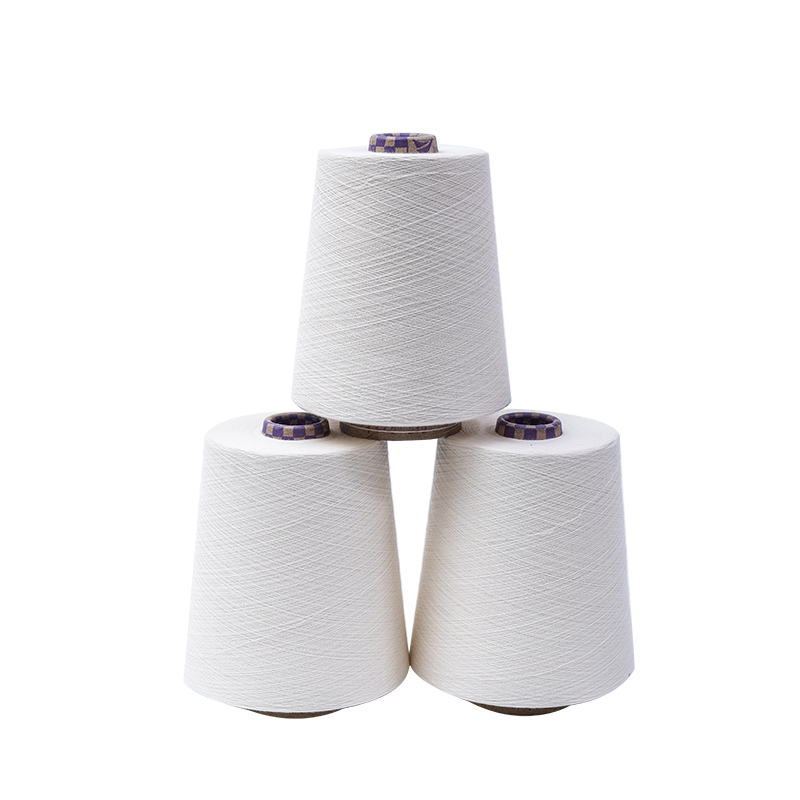
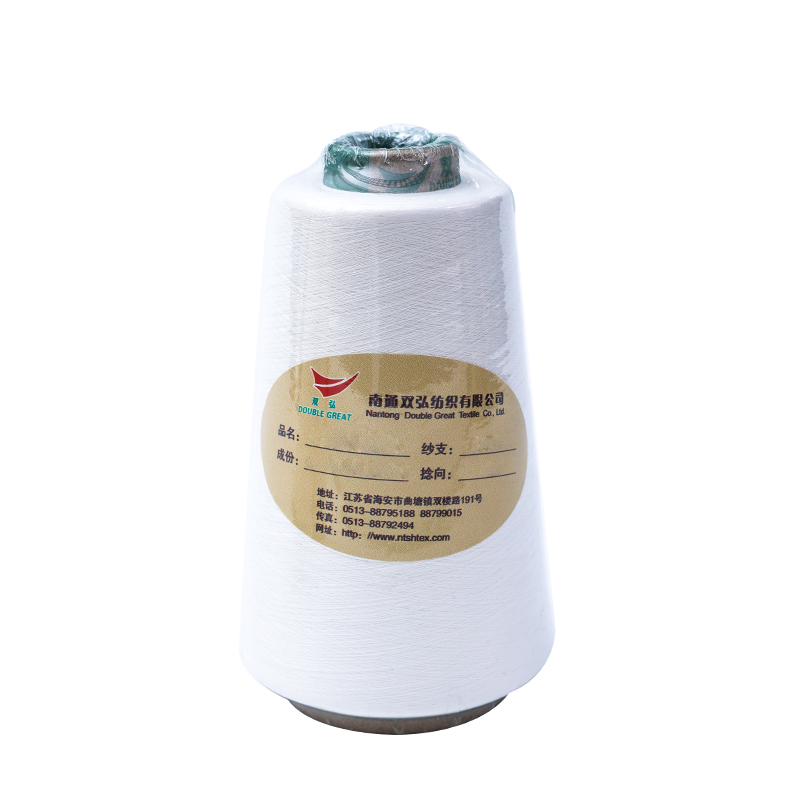
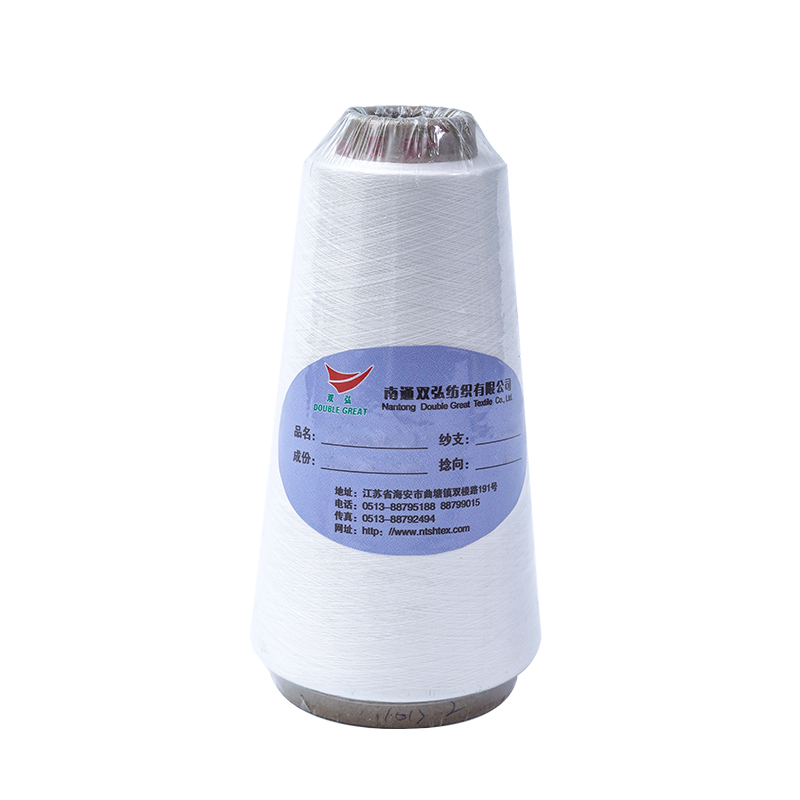
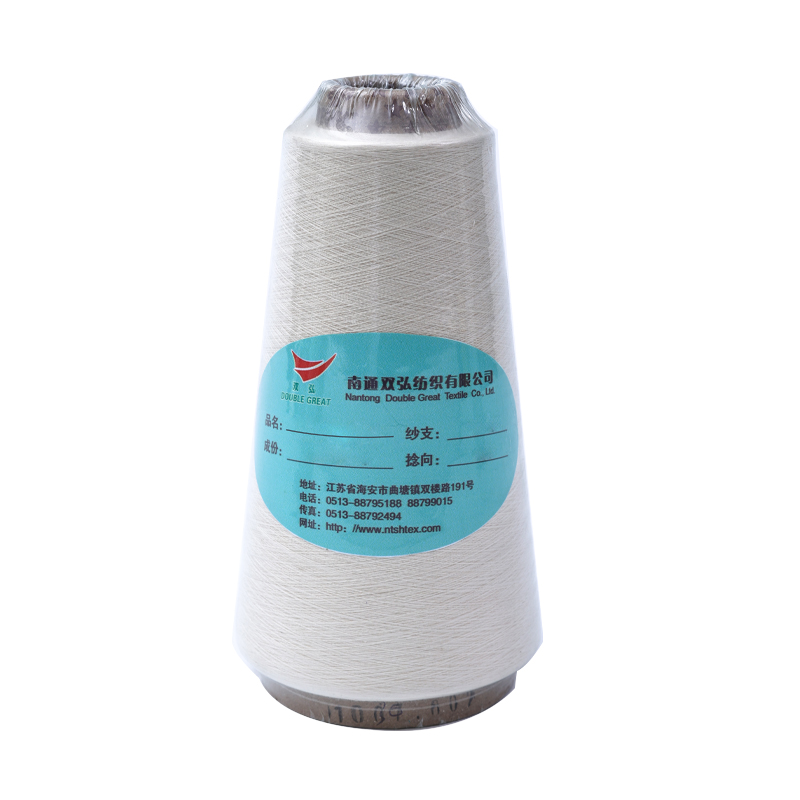
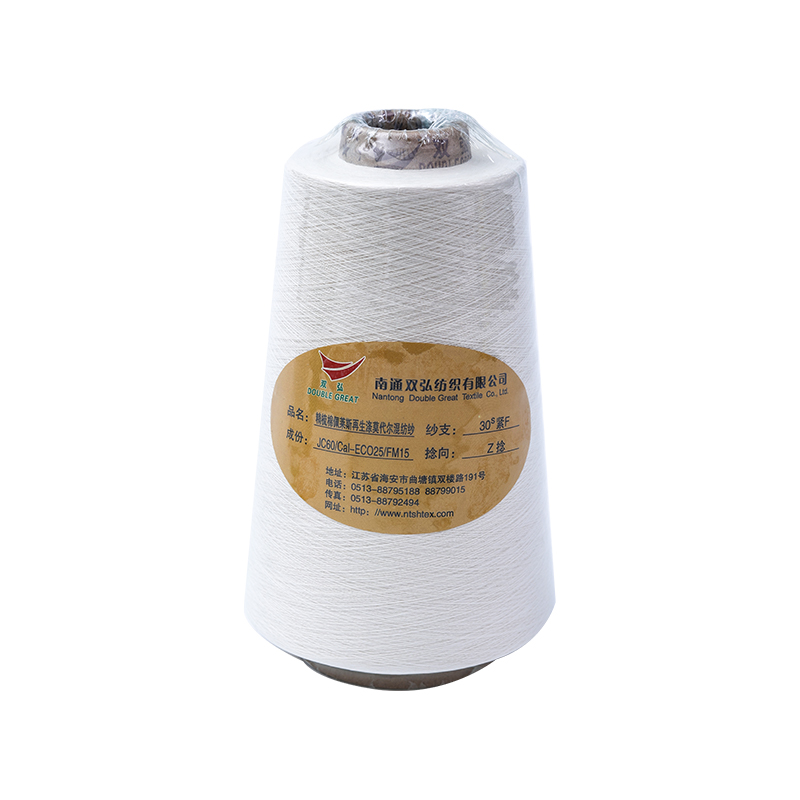
Cotton Polyester Blend Yarn Manufacturing: Technical Specifications, Production Standards and Factory Capabilities
As a manufacturer specializing in blended fiber spinning, our facility produces polyester blend yarn across multiple fiber ratios to meet different textile applications. This page outlines the technical parameters, production workflow, and quality benchmarks that define our cotton polyester blend yarn output, along with practical guidance for selecting the right yarn specification for specific end uses.
Production Workflow at Our Spinning Facility
Every batch of cotton polyester blend yarn produced in our workshop follows a controlled sequence of operations designed to maintain fiber consistency and minimize variation between production runs. Raw cotton is sourced with staple length and micronaire value verified before entering the blow room, while polyester staple fiber is inspected for denier uniformity and crimp stability prior to opening.
01. Raw Material Sorting
Cotton bales and polyester staple fiber are graded separately by moisture content, fiber length, and color consistency before being scheduled for blending. Mismatched batches are isolated to prevent uneven dye uptake later in the process.
02. Opening & Blending
Cotton and polyester fibers are opened separately, then combined in the blending chamber at the pre-set ratio. Fiber mixing uniformity is checked at this stage since uneven blending directly affects yarn strength and appearance.
03. Carding & Drawing
Carding removes short fibers and neps while aligning fiber direction. Multiple drawing passages further improve fiber parallelization, which is the main factor behind low pilling and smooth surface finish in the finished yarn.
04. Roving & Spinning
Roving frames reduce sliver thickness before final spinning. Ring spinning frames apply precise twist levels according to the target yarn count, balancing strength against softness for the intended fabric type.
05. Winding & Inspection
Finished yarn is wound onto cones with electronic yarn clearers removing thick and thin places, foreign fiber contamination, and slubs before packaging.
06. Lab Testing
Sample cones from each lot are tested for count deviation, twist per inch, tensile strength, elongation, and evenness (CV%) against internal control limits before the batch is approved for shipment.
Technical Parameters by Blend Ratio
Cotton and polyester blend yarn is produced in several standard ratios, each suited to different downstream applications. The table below lists common specifications for reference when selecting a yarn construction for a specific fabric or knitting requirement.
| Blend Ratio |
Moisture Regain |
Tensile Strength |
Shrinkage Rate |
Common Application |
| CVC 60/40 (Cotton/Polyester) |
Approx. 5.5% |
Medium-High |
2.5% – 3.5% |
T-shirts, casual knitwear |
| TC 65/35 (Polyester/Cotton) |
Approx. 3.2% |
High |
1.5% – 2.5% |
Workwear, uniforms, bedding |
| 50/50 Cotton Polyester |
Approx. 4.3% |
Medium |
2.0% – 3.0% |
Sweatshirts, home textiles |
| 80/20 Cotton Polyester |
Approx. 6.1% |
Medium-Low |
3.0% – 4.0% |
Soft-hand apparel, baby textiles |
| Polyester Acrylic Blend |
Approx. 1.8% |
High |
1.0% – 2.0% |
Sweaters, scarves, outerwear lining |
Values above represent typical mill-tested ranges and may vary slightly depending on raw fiber origin, count, and spinning method (ring spun, open-end, or compact spinning).
Selecting Between Fiber Combinations
Buyers frequently ask whether polyester acrylic blend yarn or cotton-based polyester blend yarn is the more suitable choice for a project. The decision depends primarily on the intended fabric weight, seasonal use, and finishing method planned for the fabric.
Polyester Cotton Blended Yarn
- Higher breathability, suited to warm-climate garments
- Softer surface hand-feel after finishing
- Good dye absorption with reactive dyes on the cotton portion
- Lower pilling resistance compared to acrylic blends
Polyester Acrylic Blend Yarn
- Higher bulk and loft, retains heat more effectively
- Better resistance to shrinkage during washing
- Lightweight per unit volume, suited to knitwear
- Lower moisture absorption, less suited to base layers
Quality Control Checkpoints in Our Workshop
Consistency across production lots is maintained through fixed inspection intervals rather than end-of-batch sampling alone. Our internal quality process includes the following checkpoints:
1Incoming fiber inspection for moisture content and staple length uniformity
2In-process blending ratio verification using sample cross-sections
3Yarn count deviation testing every four hours during spinning
4Twist per inch measurement against the approved specification sheet
5Evenness testing (U% and CV%) using electronic yarn evenness testers
6Final cone weight and package density check prior to packing
Where Cotton Polyester Blend Yarn Is Used
Knitted Apparel
Circular knit fabrics for T-shirts, polo shirts, and casual tops rely on medium-count cotton polyester blend yarn for a balance of comfort and shape retention after repeated washing.
Woven Workwear
Higher polyester content blends such as TC 65/35 are common in uniform fabric due to their resistance to abrasion and reduced wrinkling during daily wear.
Home Textiles
Bedding and household fabrics often use 50/50 blends, balancing softness against durability through repeated laundering cycles.
Industrial & Technical Fabrics
Polyester-dominant blend yarn is used where dimensional stability and reduced shrinkage are priorities, such as lining fabrics and technical textile substrates.
Frequently Asked Technical Questions
Is polyester blend good quality for long-term use?
Quality depends on fiber grade and spinning precision rather than the blend itself. A polyester blend yarn spun from consistent-grade fiber with controlled twist and evenness will maintain shape, color, and strength over extended use. Lower-grade raw material or inconsistent blending ratios are the actual cause of quality issues attributed to blended yarn in general.
What does blended yarn mean in a technical spinning context?
Blended yarn refers to yarn spun from two or more fiber types combined at the opening or blending stage, prior to carding, rather than fibers mixed later at the fabric or garment level. This distinguishes it from union fabrics, where different yarns of single-fiber composition are woven or knitted together instead.
What are the cons of polyester yarn on its own, without blending?
Pure polyester yarn tends to build static charge in low-humidity conditions, has limited moisture absorption, and can feel less breathable in apparel applications. Blending with cotton or acrylic fiber addresses these specific limitations while retaining polyester's strength and dimensional stability.
Is polyester blend better than cotton for all garment types?
Neither fiber is universally superior. Polyester blend yarn offers better wrinkle resistance and shape retention, while higher cotton-content blends offer better breathability and moisture absorption. The correct choice depends on the fabric's end use, climate exposure, and required care instructions.
Can cotton polyester blend yarn or finished fabric be exposed to high heat during processing?
Because polyester fiber has a defined softening point, heat-setting, ironing, and drying processes applied to cotton polyester blend yarn or its finished fabric should stay within recommended temperature limits to avoid fiber glazing or handle changes. Processing guidelines are typically included with each yarn specification sheet supplied with the order.
Custom Yarn Specifications
Beyond standard stock ratios, our facility accepts custom blend ratio requests, custom yarn counts, and custom twist direction (S or Z twist) based on submitted fabric requirements. Dyeable and raw white options are both available depending on whether dyeing will occur at the yarn stage or after fabric formation.
Count Range
Ne 10s – Ne 60s
Twist Type
S Twist / Z Twist
Spinning Method
Ring Spun / Open-End / Compact
Package Form
Cone / Hank / Cheese
Color Options
Raw White / Dyed / Melange
Blend Ratio Range
20/80 to 80/20 Cotton/Polyester

 English
 русский
 Español