 English
 русский
 Español
You sit down with a new skein of polyester yarn, choose your hook, and start a chain. By the third row, the stitches already look uneven. The yarn feels slippery under your fingers, the plies seem to separate, and your tension is suddenly all over the place. If you have been told that polyester yarn is difficult to crochet, this scene may feel familiar.
So is polyester yarn easy to crochet? The honest short answer is: it depends. For a complete beginner, a loosely twisted, highly smooth polyester yarn is not the easiest material to manage. For an experienced maker, or with a well-spun yarn, polyester can actually be a practical, durable, and affordable choice — especially when it is blended with another fiber.
Why does polyester yarn feel different under the hook?
Polyester is a synthetic fiber made from petroleum-derived polymers. In a crochet project, that chemistry translates into a smooth, relatively inelastic fiber surface. Unlike wool, which has natural crimp and scales that grip the hook and hold their shape, polyester filament wants to slide. The result is a yarn that can feel slippery, especially if it is a low-twist, single-ply yarn.
| Challenge | What the crocheter feels | What is happening at fiber level |
|---|---|---|
| Slippery surface | Stitch tension becomes difficult to control; loops slip off the hook. | Smooth filaments have little natural grip between fibers or against metal. |
| Limited elasticity | Fabric does not spring back like wool; stitch shape can look flat. | Polyester has lower elastic recovery than wool or nylon in many spun yarns. |
| Splitting | The hook catches one ply while the rest of the yarn stays behind. | Low twist and poor lubrication control let the strand open too easily. |
| Harder gauge control | Row after row, the width changes even when the hook size stays the same. | Low friction means the yarn stretches slightly and then recovers unevenly under tension. |
These challenges are not a reason to avoid polyester completely. They are a reason to look more carefully at how the yarn is spun. From the spinning mill side, we control twist per inch, fiber staple length, finish chemistry, and plying. Each of those decisions changes how the yarn moves on the hook.
When polyester yarn is worth using
Even with its learning curve, polyester has legitimate crochet strengths. It is durable, resists shrinking, dries quickly, and holds color well. For projects that get heavy use, polyester is often a better choice than a delicate natural fiber.
Great for
Bags, amigurumi, outdoor items, and projects that get washed often.
Harder for
Lacy shawls or patterns that need the stretch and drape of animal fibers.
Best approach
Pick a multi-ply yarn with a balanced twist, or choose a polyester blend with cotton or viscose.
A well-constructed 100% polyester yarn with a balanced twist offers these benefits without feeling like a plastic cord. We make polyester yarns from carefully selected staple fibers, with a consistent twist that gives the yarn enough rigidity for clean stitches.
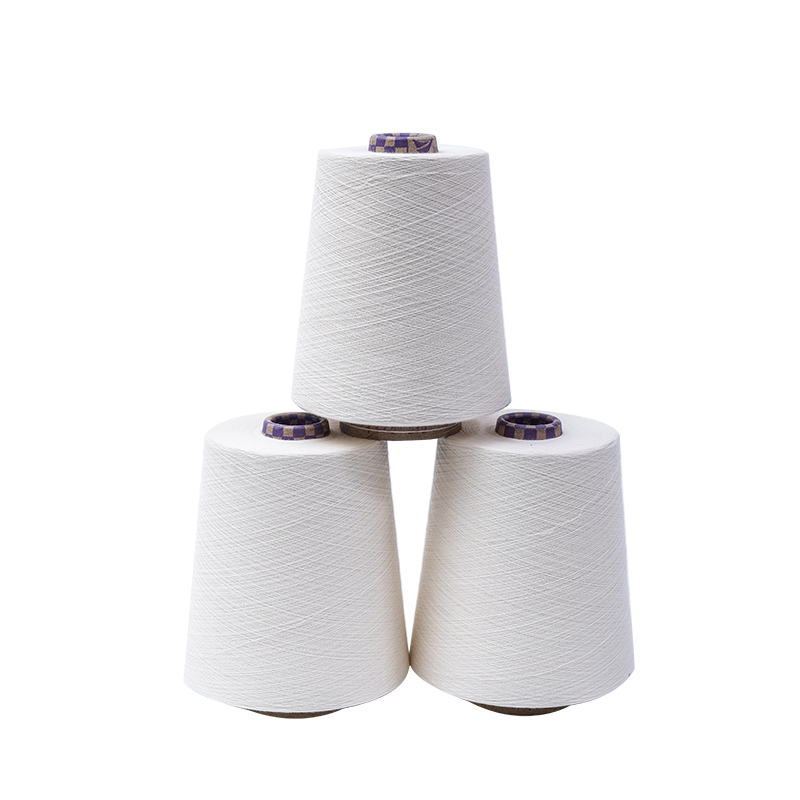
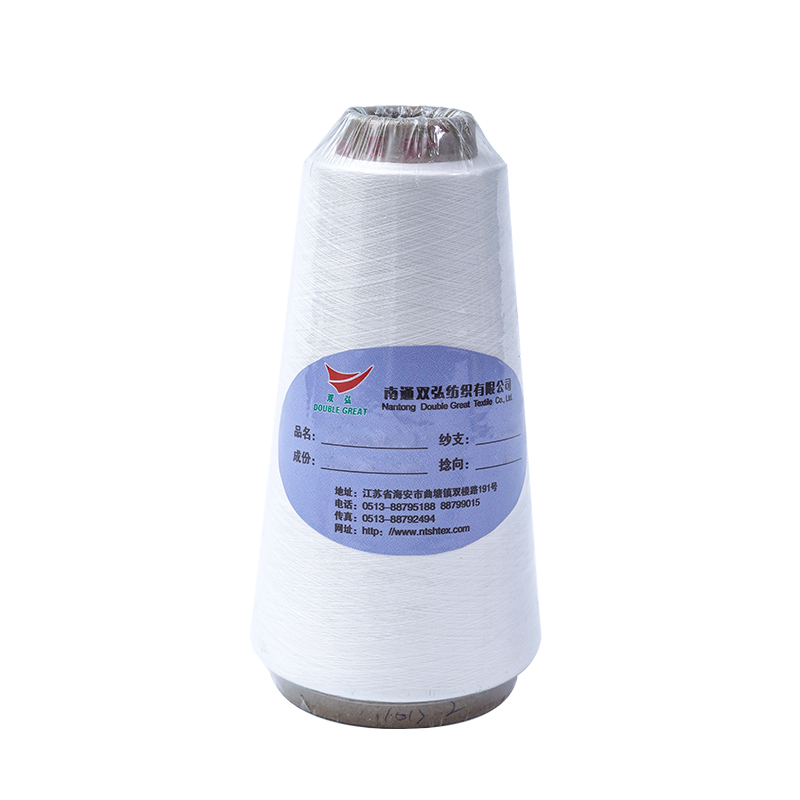 Polyester Blended Yarn with High Twist for Durable StitchesThis 100% polyester yarn is engineered with consistent twist and high breaking strength, making it a reliable choice for crochet projects where clean stitches and wrinkle-free, quick-drying fabric are desired.View Product →
Twist and ply: the hidden controls
If you ask whether polyester is easy to crochet, the answer depends less on “polyester” and more on construction. A high-twist 3-ply or 4-ply yarn will behave differently from a soft single-ply. Higher twist compresses the fibers into a rounder, firmer strand. That roundness gives the hook something to hold and prevents the tip from splitting the yarn.
Plying also helps. A 2-ply yarn can still be prone to splitting because the hook can wedge between the two plies. Three or four plies create a more balanced, circular cross-section. This is why many crochet-friendly polyester blends are made with extra plies and a moderate finish that gives the surface a little more tooth.
From a manufacturing standpoint, this is where a committed yarn producer earns the maker’s trust. We test twist consistency, yarn evenness, and surface hairiness before shipment because those details show up in front of the hook.
Blends make polyester easier to crochet
Blending is the single easiest way to make polyester more approachable. When you blend polyester with cotton or viscose, the natural or regenerated cellulose fibers add absorbency, surface friction, and a softer hand. The polyester still contributes strength and shape retention, but the fabric no longer feels like a plastic shell.
A polyester-viscose blend, for example, behaves closer to cotton than to a filament polyester. It is more forgiving on the hook, gives better stitch definition, and creates a fabric with a nice drape. If you are new to polyester and want a low-stress introduction, a polyester-viscose yarn is one of the most practical choices.
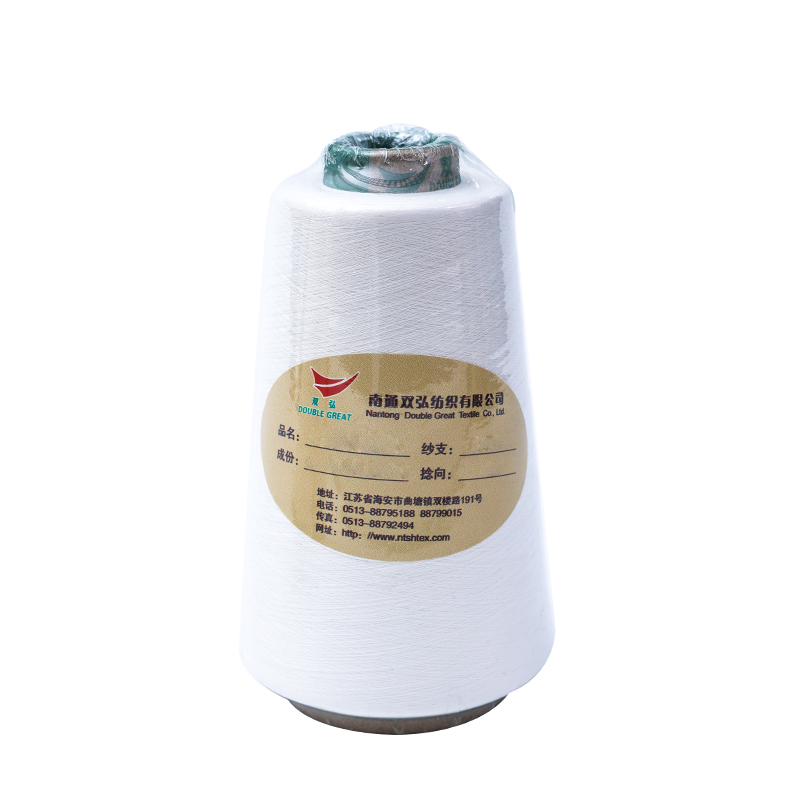
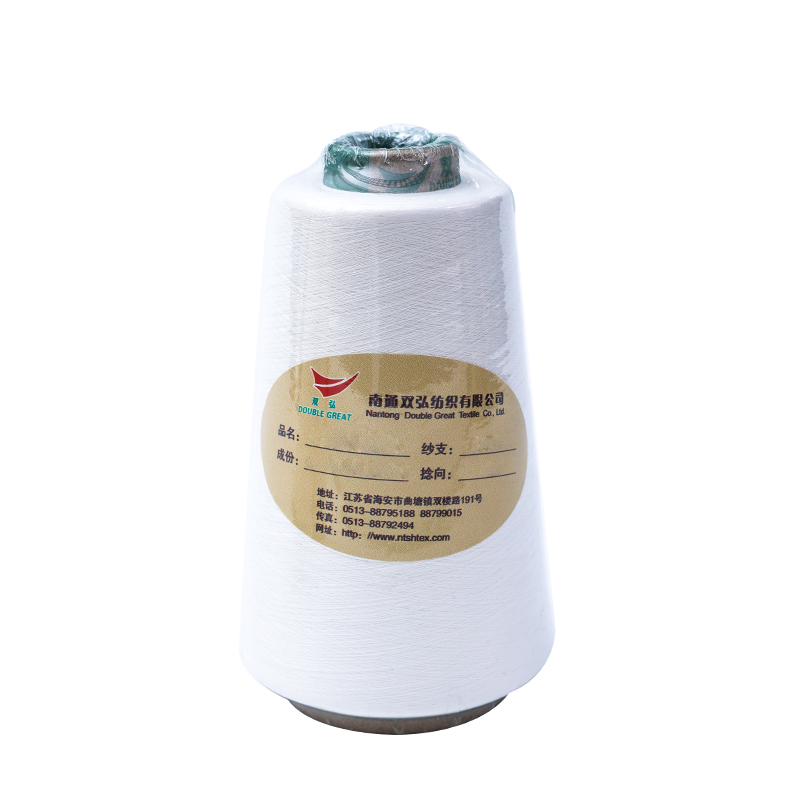 Polyester/Viscose Blended Yarn for Soft, Breathable Crochet FabricBlending polyester's durability with viscose's softness and moisture absorption, this yarn offers a cotton-like feel that improves stitch definition and drape, ideal for lightweight garments and home textiles.View Product →
Sustainable polyester choices
If you are concerned about buying synthetic fiber, recycled polyester has become an easier and increasingly reliable option. Recycled polyester uses plastic bottles or post-industrial polyester waste as its raw material. From a crochet perspective, a good recycled polyester blend behaves very much like virgin polyester, because the spinning process, not the raw polymer, determines how the yarn behaves.
We have worked with recycled polyester blends for years, and our best advice is to look for a blend that includes another fiber with grip. Cotton or viscose in the blend reduces the slippery feel while keeping the strength and colour fastness of polyester. This makes a recycled polyester blend easier to stitch than an unblended filament yarn.
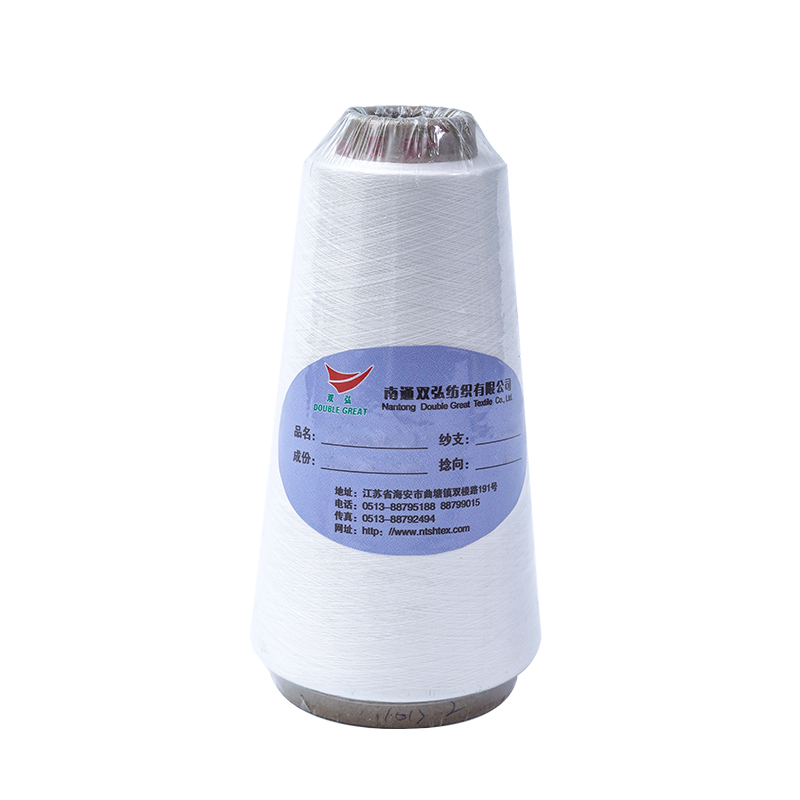
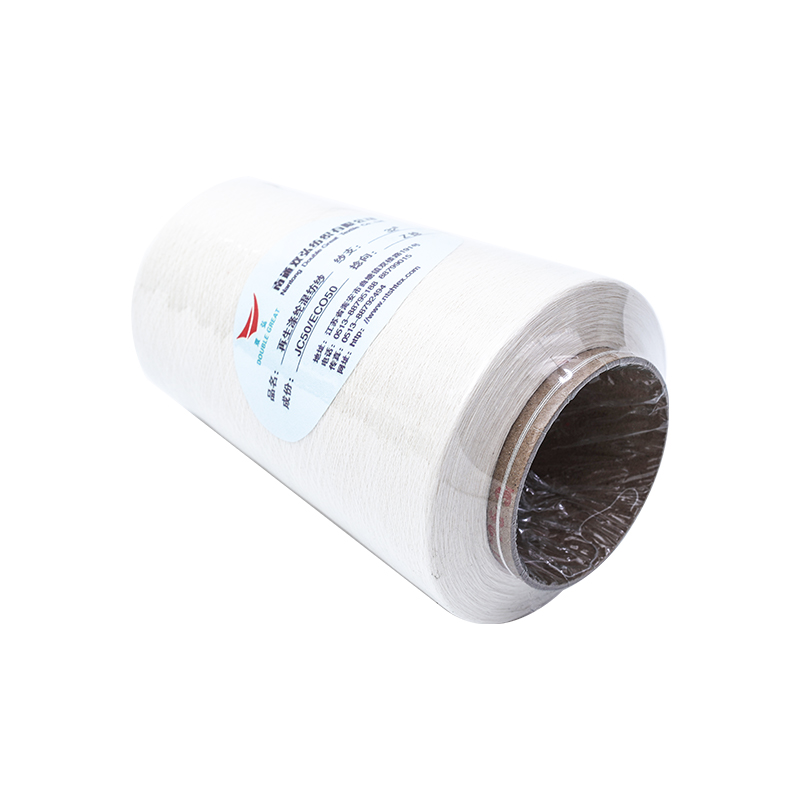 Recycled Polyester Blended Yarn with Added Grip for Easier StitchingCombining recycled polyester with cotton or viscose reduces slipperiness while retaining strength and colorfastness. This sustainable blend provides better hook control and comfort, making it a practical eco-friendly option for crochet.View Product →
How to crochet better with polyester yarn
Even a perfectly spun polyester yarn asks you to make small adjustments. Here are the changes that work.
- Use a smooth hook with a rounded throat; sharp hooks are more likely to split a slippery strand.
- Slacken your tension slightly; polyester does not need to be pulled tight for stitch definition.
- Slow down during the first two rows so your tension settles before the pattern becomes complex.
- Choose a stitch pattern with a structured repeat, like single crochet or moss stitch, if the yarn is very smooth.
- Block the finished piece gently; polyester usually does not need aggressive stretching.
Relative ease of crochet by fiber, based on a spinner’s eye
These percentages are not an official standard. They come from the way yarns behave on a hook: stitch definition, spring, consistency, and user feedback. A well-made polyester blend can easily out-crochet a mediocre natural yarn, because consistent thickness matters more than the fiber label.
Polyester yarn and crochet: frequently asked questions
Is polyester yarn harder to crochet than acrylic?
On average, yes. Acrylic is softer, fuzzier, and has a little more surface drag, which makes it easier for a beginner to control. But a high-quality polyester yarn with a balanced twist can be just as manageable, and it is often stronger and more resistant to washing.
Can you crochet a blanket with polyester yarn?
You can. A polyester blanket will be durable, lightweight, and easy to wash. Keep in mind that polyester is less breathable than cotton or wool, so it may feel warm and less moisture-wicking. For a lightweight summer throw, a polyester-cotton blend is a better balanced choice.
Why does my polyester yarn keep splitting?
Splitting is usually a sign of low twist or a soft single-ply structure. The hook tip enters between separated fibers and makes the strand split. Choose a multi-ply, more tightly twisted yarn, and use a hook with a rounder, less sharp head.
Does polyester yarn stretch when crocheted?
Polyester is not as elastic as nylon or wool, and it has limited recovery. That means it can stretch out of shape if you pull hard, but it will not shrink or bag the way some natural fibers do. For a sturdy bag or structured toy, that is an advantage.
The practical verdict for your next project
So is polyester yarn easy to crochet? For a beginner, it is rarely the first fiber we would recommend. For a maker who knows how to adjust tension and choose the right yarn construction, polyester can be an easy, practical, and pleasant material to use.
The best way to know is to feel the yarn. When a strand is consistent, balanced in twist, and designed with the user in mind, the fiber name matters far less than the finish. If you want to understand the spinning process that makes polyester crochet-friendly, our article on polyester blended yarn spinning goes into a little more detail. And if you are curious about the team behind the yarn, our company page shows how closely we care about quality.