 English
 русский
 Español
Yes, you can crochet with polyester yarn, and in some projects it performs better than cotton, wool or acrylic. The catch is that polyester yarn asks you to work with its properties rather than against them. Once you understand how polyester slides, springs back and holds its shape, you can make informed choices about hooks, tension and project selection.
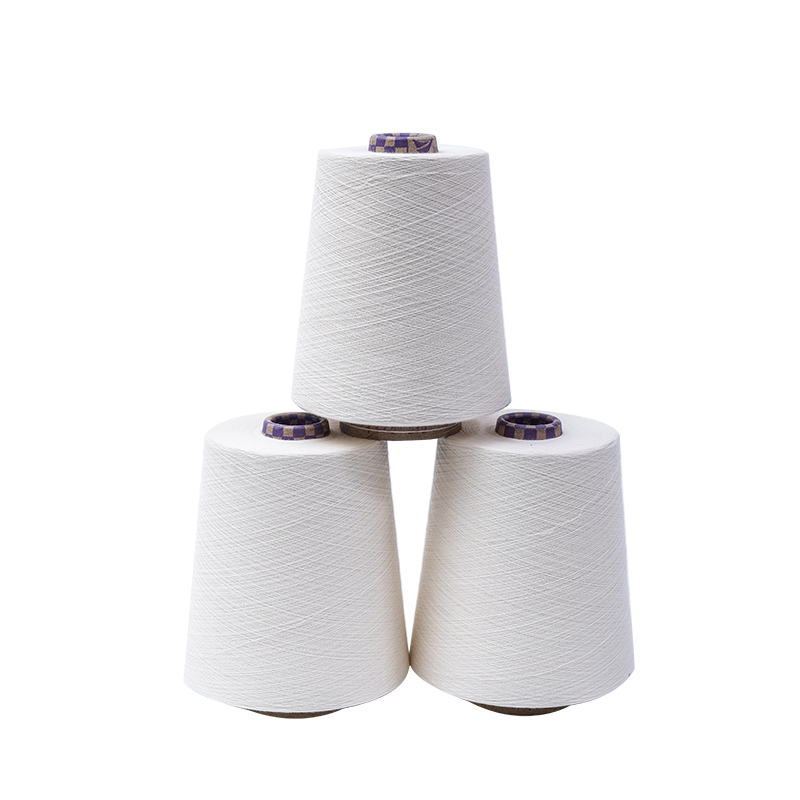
Polyester yarn is a manufactured fiber spun from polyethylene terephthalate, a polymer more commonly known as PET. The same material that becomes water bottles is melt-spun into fine filaments, cut into staple fibers, and spun into yarn. The manufacturing conditions — filament thickness, staple length, twist level and finishing — determine how the yarn feels in your hands and how it behaves on your hook.
The Short Answer: Yes, Polyester Crochets Well — with the Right Expectations
Polyester yarn crochets well for the vast majority of stitch patterns. It does not twist, kink or split as much as some loosely twisted acrylic yarns, and its smooth surface glides easily over a hook. Beginners can use it successfully, especially for projects where stitch definition matters, such as granny squares, textured bags and amigurumi.
What surprises most crocheters is not whether polyester crochets, but how it feels while doing so. Polyester has what textile engineers call elastic recovery: it snaps back to its original length after being stretched. That springiness means your tension has to stay relaxed, because the yarn will try to shrink back into a shorter, tighter loop as you form each stitch. If you crochet tight, a polyester project can become stiff and slightly smaller than your gauge swatch predicts. Work with a loose hand, and polyester rewards you with a fabric that holds crisp shapes and resists sagging.
The second surprise is moisture. Polyester absorbs almost no water, with a moisture regain of about 0.4 percent under standard conditions. Cotton absorbs 7 to 8 percent, and wool can absorb 13 to 15 percent. For crochet, this means polyester does not swell when washed, does not stretch as it absorbs humidity, and dries quickly. It also means a polyester garment will not wick sweat away from your skin the way a cotton or wool garment does. The fiber choice should therefore follow your project: polyester for structure and durability, natural fibers for breathability.
Bottom line: if you want a crochet item that keeps its shape, survives frequent washing and resists pilling, polyester is one of the best yarn fibers available. If you want maximum breathability or water absorption in a wearable, choose cotton or wool for those specific projects.
What Polyester Yarn Is and How It Is Made
Polyester yarn begins as PET (polyethylene terephthalate) chips, a polymer synthesized from petroleum-derived and increasingly recycled feedstocks. The chips are melted at high temperature and extruded through a spinneret, a metal plate with numerous fine holes. The extruded filaments solidify as they cool, and that continuous filament can be wound directly onto bobbins, or cut into short staple fibers similar in length to cotton or wool fibers.
Staple Polyester Yarn vs. Filament Polyester Yarn
For crochet, the distinction between staple and filament polyester matters more than most crafters realize. Filament polyester yarn is a single continuous strand with no fuzz and no protruding fiber ends. It is extremely strong, slippery and shiny, but it also lacks the "grab" that helps stitches hold their place. Crocheting with filament polyester can feel like working with fishing line, especially at fine gauges. Staple polyester yarn, by contrast, is spun from short fibers that are twisted together, giving the yarn a cotton-like surface texture, better friction, and a softer hand. Most crochet-friendly polyester yarns on the market are spun from staple fiber.
Twist, Denier and Finish
Three manufacturing parameters have an outsized effect on your crochet experience:
- Twist level: High-twist yarn has a firm, round cross-section, which creates sharp stitch definitions and resists pilling. Low-twist yarn is softer and fluffier but tends to pill and may split on the hook.
- Fiber denier: A finer denier (thinner filament) makes the yarn softer and more flexible. Coarse denier fibers give a stiffer, more technical hand feel.
- After-treatment: A good washing or softening finish removes spin finish oils and reduces static. Untreated polyester can feel waxy or squeaky in the hand.
When you see a well-made polyester yarn at the store, you are seeing the result of careful control over all three variables. When you see a cheap polyester yarn that feels scratchy or plastic-like, it is usually a coarse-denier, low-grade fiber with little finishing. In our experience as a yarn manufacturer, the quality range within polyester is wider than within cotton or wool, so choosing a reputable supplier makes a meaningful difference in how your finished piece looks and feels.
Polyester vs. Acrylic vs. Cotton vs. Wool: A Factual Comparison
Most crocheters choose between four fibers: polyester, acrylic, cotton and wool. Each has a distinct fingerprint of properties, and comparing them side by side helps explain why polyester deserves a place in your stash rather than just being "the synthetic yarn you avoid."
| Property | Polyester | Acrylic | Cotton | Wool |
|---|---|---|---|---|
| Moisture regain | 0.4% | 1–2% | 7–8% | 13–15% |
| Elongation at break | 20–30% | 25–40% | 5–8% | 20–40% |
| Elastic recovery | Good | Moderate | Poor | Excellent |
| Wet strength | Unaffected | Moderate | Weakens | Weakens |
| UV resistance | Moderate | Good | Poor | Poor |
| Pilling tendency | Low if high-twist | Moderate to high | Low | Low |
| Water absorption | Very low | Low | High | High |
| Heat sensitivity | Melts >250°C | Softens >150°C | Burns, no melt | Burns, no melt |
The table above explains most of the practical difference you will feel while crocheting. Polyester stretches more than cotton but snaps back better, which is why polyester bags and straps hold their shape where cotton versions stretch out and sag. Polyester is unaffected by water, so it never turns limp or heavy in the wash. It is also denser than acrylic, which gives stitches a firmer, more structured hand feel.
For crocheters who already work with acrylic, polyester will feel slightly heavier, smoother, and more "technical." For crocheters who work with cotton, polyester will feel significantly more elastic and far less absorbent. If you want deeper background on how polyester performs inside blended yarn structures, the technical guide to polyester blended yarns in clothing explains how blending polyester with other fibers compensates for its limitations.
Moisture Regain at a Glance
The bar chart below illustrates just how little moisture polyester holds compared with other crochet yarns. This single property drives many of the behavioral differences you will notice in real projects.
What Crocheting with Polyester Actually Feels Like
Every fiber has a tactile personality. Cotton grips the hook and demands a relaxed hand. Wool is forgiving and springy. Acrylic is light and slightly clingy. Polyester is best described as smooth and assertive: it glides through your fingers with a slick finish, holds its shape the moment you release a loop, and resists being stretched into positions it does not want to take.
Hook Glide and Loop Slip
Because polyester fibers are round and smooth, a well-finished polyester yarn creates less friction on a metal or polished wooden hook than cotton or wool. Stitches close neatly, and your hook slides through loops without snagging on fiber ends. The downside is that the same slipperiness can cause existing loops to stretch if you pull on your work too hard. If you tend to yank your last stitch tight before starting the next one, you may notice polyester loops slipping slightly loose. A simple fix is to work on a slightly smaller hook than you would choose for the same weight in cotton, which keeps loops snug without forcing your tension to become tight.
Stitch Definition and "Memory"
Polyester shows off textured stitch patterns exceptionally well. Bobbles, clusters, cables and post stitches all stand out with a clean three-dimensional relief because the yarn does not flatten under its own weight when it is packed together. In our mill tests, a polyester single crochet fabric has about 15 percent more vertical recovery than a comparable cotton fabric after being compressed, which is why polyester is often the fiber of choice for crochet baskets and structured bags that need to spring back after being crushed.
Fatigue in Your Hands
One honest drawback: polyester yarn can be tiring to crochet with for long sessions. Because the yarn has relatively low friction, you have to pinch slightly harder to keep it under control, especially with high-twist yarns. Crocheters who already have hand pain often prefer a softer or waxier yarn. If you set out on a large polyester blanket, take a short break every 30 minutes, or switch to a hook with an ergonomic grip to keep your fingers relaxed.
Illustrative values based on typical fiber behavior observed in textile testing. Polyester retains a high degree of shape recovery even after repeated mechanical stress, which is why crocheted polyester bags resist sagging better than cotton.
Best Crochet Projects for Polyester Yarn
The strengths of polyester — durability, shape retention, low absorbency, color fastness — map directly onto a shortlist of project types where polyester genuinely outperforms both cotton and wool. Here is where this fiber earns its place.
Market and Tote Bags
The classic polyester success story. A crocheted tote made from medium-weight polyester yarn will not stretch out of shape under the weight of groceries, and it survives machine washing after accidental spills. The low absorbency also means a wet bottle inside will not cause the bag to sag.
Amigurumi and Toys
Tight single crochet with polyester produces the firm, compact fabric that amigurumi requires. The yarn's springiness helps the stuffing stay evenly distributed, and polyester toys can be rinsed and air-dried quickly. High-twist polyester also resists the fuzzing that comes from hundreds of hours of play.
Outdoor Cushions and Pillows
Wool and cotton break down in sunlight and absorb moisture. Polyester is naturally resistant to both UV degradation and water. A crocheted outdoor cushion cover in polyester will keep its color and structural integrity for several seasons, making it a genuinely practical choice for patio furniture.
Pet Beds and Accessories
Pet hair slides off smooth polyester surfaces easily, and the fabric shakes clean or washes quickly. Because polyester does not absorb urine or odors as readily as cotton, a crocheted pet bed in polyester stays fresher longer between washes.
Beach, Pool and Wet-Terrain Projects
Because polyester resists water absorption, a crocheted beach bag, swimsuit cover-up or poolside storage basket will not become heavy and soggy after contact with water. It dries in a fraction of the time cotton would take, and it will not mildew when rolled up damp.
Storage Baskets and Organizers
The firmness and recovery of polyester make it ideal for freestanding baskets. Crochet tightly with a heavy weight polyester yarn, and the finished basket will keep its vertical walls without slouching. This is one of the few cases where polyester visibly outperforms cotton at the same gauge.
Where Polyester Falls Short — and How to Work Around It
No fiber is universally ideal, and polyester has three honest weaknesses that crop up in crochet: low absorbency, low breathability, and poor response to traditional wet-blocking.
Kitchen Dishcloths and Cleaning Cloths
Dishcloths need to absorb enough water to wipe a counter or dry a glass. Polyester does not do this. A crocheted polyester dishcloth will push water around instead of soaking it up, leaving streaks and requiring far more passes to dry a surface. If you want the durability of polyester in a dishcloth, look for a polyester-cotton blend that brings the absorbency of cotton and the quick-drying strength of polyester.
Summer Garments and Activewear
Polyester does not allow moisture vapor to pass through easily, so a tight-fitting crocheted top in polyester will feel hot and clammy in summer. Loose, open stitches improve airflow, and a polyester-viscose blend introduces natural fiber filaments that reduce the plastic-like hand feel. If you want a summer top that keeps you cool, cotton, linen or a cotton-rich blend remains the better starting point.
Blocking Becomes a Different Operation
Cotton and wool respond to water and steam blocking: you wet, pin and wait for the fiber to relax into shape. Polyester barely absorbs water, so wet blocking does almost nothing. To shape a polyester project, you need heat setting with a low-temperature steam iron at 130 to 150 degrees Celsius, or you must accept that the piece will simply keep the shape you crocheted. For flat items like granny square panels, that is usually fine. For complex shapes like fitted sweaters, it is much less forgiving. Consider this before you commit a large wearable project to 100% polyester.
Static Cling
Polyester accumulates static electricity, particularly in dry climates. Crocheted polyester scarves, petticoats and blankets can crackle and cling in winter. Washing with a small amount of fabric softener or using a humidifier in the room where you crochet reduces this effect.
Choosing the Best Polyester Yarn for Your Crochet Project
Not all polyester yarns are created equal, and your choice should be driven by the project you plan to make. Here are the selection criteria we use at our mill when customers ask us what to look for.
Start with the Intended Use
- For rigid, load-bearing projects (tote bags, baskets, footwear): choose a high-twist, heavy-weight polyester with a round, plied construction. Thinner plies that are twisted together give maximum strength and abrasion resistance.
- For soft, comfortable projects (blankets, cowls, toys): choose a lower-twist or air-textured polyester, ideally with a brushed or softened finish. A microfiber polyester yarn with very fine denier approaches the softness of a cotton fleece.
- For garments: select a blend rather than pure polyester. A polyester-cotton blend in the 65/35 ratio balances strength with breathability. A polyester-viscose blend adds drape and sheen. Both are easier on the hands for long working sessions.
Weight, Ply and Twist
The table below shows the standard weight categories used for crochet yarns and the hook ranges that generally work well for polyester. Because polyester is denser than acrylic, you may need one hook size smaller than for acrylic to achieve the same drape.
| Yarn weight | Example uses | Hook size range (mm) |
|---|---|---|
| Lace (0) | Fine doilies, lacy shawls | 2.0–2.5 mm |
| Fingering (1) | Light shawls, summer tops | 3.0–3.5 mm |
| Sport (2) | Baby items, lightweight scarves | 3.5–4.0 mm |
| DK / Light Worsted (3) | Blankets, hats, gifts | 4.0–4.5 mm |
| Worsted / Aran (4) | Bags, sweaters, home decor | 5.0–5.5 mm |
| Bulky (5) | Thick blankets, baskets | 6.0–8.0 mm |
| Super Bulky (6) | Jumbo blankets, floor cushions | 9.0–12.0 mm |
When you are comparing polyester yarns of the same labeled weight, pay attention to the ply and twist. A three-ply or four-ply yarn will be rounder and harder-wearing than a single-ply yarn at the same weight, at the cost of a little softness. For a 100% polyester crochet yarn with consistent twist and a smooth finish, our 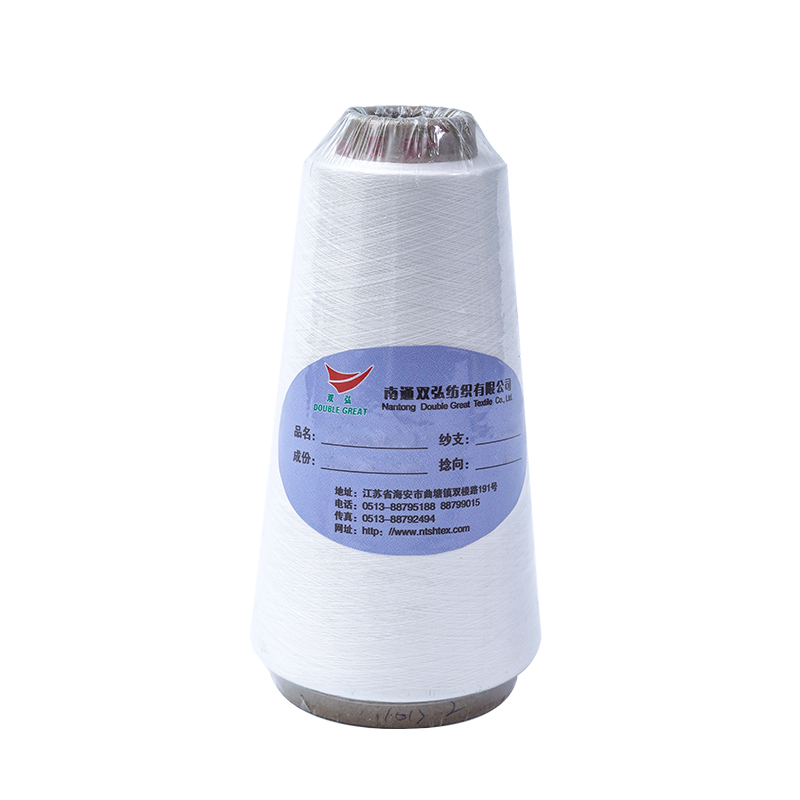 Standard Polyester Yarn for Bags, Toys and Home CraftsThis reliable 100% polyester yarn offers quick drying, strong abrasion resistance and wrinkle recovery, making it a practical choice for durable crochet projects that need consistent twist and smooth finish.View Product → standard polyester yarn line offers a reliable baseline for bags, toys and home projects.
Hook Size and Gauge with Polyester Yarn
Gauge swatches are more important with polyester than with cotton or wool because the yarn's elasticity distorts measurements. When you crochet a swatch, the fabric relaxes after a few hours and the dimensions change. A gauge swatch measured immediately after finishing may be 5 to 10 percent larger than the final relaxed fabric, depending on your stitch tension.
- Crochet a swatch at least 10 by 10 centimeters with the stitch pattern you plan to use.
- Let the swatch rest for 24 hours flat on a surface. Polyester needs time to release the stress of crocheting.
- Measure your stitch count and row count inside the central 8 centimeters, ignoring the edges.
- Compare the relaxed measurements with your pattern gauge. If the fabric is too dense, go up a hook size; if too loose and floppy, go down.
One subtlety: polyester loops are rounder and less compressible than cotton loops, so your stitches may look slightly taller and wider than you expect from working with cotton. This is normal and should not tempt you to switch to a much smaller hook. Only one step down from the recommended cotton hook is typically the maximum adjustment needed.
Crochet Techniques That Flatter Polyester Yarn
Certain crochet techniques bring out the best in polyester, while others fight against its natural behavior. Use these methods to get professional-looking results.
Use Stitch Patterns with Depth
Polyester rewards texture. Bobbles, puff stitches, post stitches and crossed stitches all look sharp and well outlined in polyester because the fiber does not flatten with wear. If you are planning a bag or blanket in polyester, choose a pattern with at least some relief texture to showcase the fiber's dimensional stability.
Adjust Your Tension on Purpose
For a firm, durable result such as a tote or basket, consciously tighten your tension one notch while keeping your hook the same size. For a softer drape, go up half a millimeter or a full millimeter on the hook and hold the yarn loosely. Because polyester springs back, the looser fabric will still recover its shape better than an identically loose fabric made from cotton.
Join Rounds Tightly
When crocheting in the round, your slip stitch joins should be worked firmly, or the springy polyester will create a small gap at the join point that grows over time. Many experienced crocheters prefer an invisible join that finishes the round without a slip stitch, and this technique works particularly well with polyester.
Heat Set Seams and Edges
If you need an edge or seam to lie perfectly flat, you can heat-set it with a steam iron at low temperature on the wrong side of the fabric. Always use a pressing cloth between the iron and the yarn, and test on a small swatch first. This is the only reliable way to "block" polyester crochet.
Caring for Crocheted Polyester Items
One of the biggest advantages of polyester is its easy care. Follow these guidelines and your crocheted items will stay looking new for years.
- Machine wash cold at 30 to 40 degrees Celsius with a gentle or delicate cycle. Polyester handles higher temperatures, but a gentle cycle prevents unnecessary fiber stress.
- Tumble dry low or air dry flat. High heat can soften and slightly deform even high-quality polyester, especially in textured garments.
- Do not iron hot. Polyester melts at roughly 250 degrees Celsius, and most household irons can reach that temperature on the highest setting. Use a low or synthetic setting with a pressing cloth.
- Reduce static by adding a capful of fabric softener to the final rinse, or air dry with a slightly damp cloth.
- Store flat or roll rather than hanging. Because polyester keeps its shape, a heavy crocheted blanket stored on a hanger will stress the sections near the hanger over months.
Recycled Polyester Yarn: Crocheting with a Clear Conscience
Sustainability is a growing consideration among crocheters, and recycled polyester offers a meaningful alternative to virgin polyester without losing the fiber's practical advantages. Recycled polyester yarn, often produced from reclaimed PET bottles and post-industrial textile waste, undergoes melt-spinning again and can be spun into staple fiber yarn with the same durability, colorfastness and shape retention as virgin polyester.
The quality difference between recycled and virgin polyester is much smaller today than it was a decade ago. Modern filtration and spinning equipment eliminate most of the impurities that once made recycled polyester feel coarse or uneven. In our own mill, we produce recycled polyester blend yarns that meet the same USTER quality standards as our virgin polyester lines, and they are widely used in knit and woven garments, home textiles and functional apparel. For a crocheter, choosing recycled polyester yarn means you can make long-lasting, washable items without consuming newly extracted petroleum.
One practical tip: when you buy recycled polyester yarn, check whether it is made from pre-consumer textile waste or from post-consumer bottles. Both are valid, but the processing route affects the fiber's staple length and evenness. Yarns marked simply as "recycled polyester" without further details are typically made from a blend of recycled feedstocks, which is perfectly acceptable for crochet as long as the twist and hand feel meet your expectations. Our 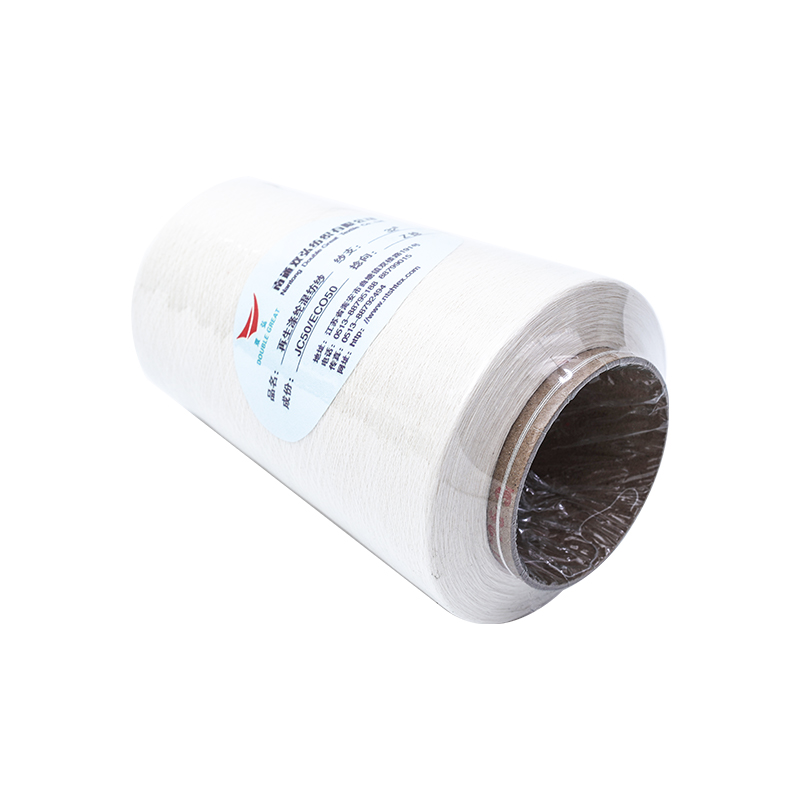 Recycled Polyester Blend Yarn with Consistent ThicknessThis eco-friendly yarn blends recycled polyester with other fibers, providing sustainable durability and low hairiness. Its uniform thickness and controlled twist suit crochet projects requiring crisp, even stitches.View Product → recycled polyester blend yarn is spun with the same process control as our virgin yarns, giving it a consistent thickness and a low hairiness that makes crochet stitches crisp and uniform.
Professional Guidance from Our Mill: What We Want Every Crocheter to Know
As a manufacturer that has been spinning polyester and blended yarns for over forty years, we want to share a few observations that crafters rarely hear from the retail side of the yarn industry.
Twist Consistency Is the Hidden Ingredient
The biggest difference between a cheap polyester yarn and a premium polyester yarn is not the polymer; it is the consistency of the twist. An experienced spinning mill controls twist variation within a narrow tolerance, measured in turns per meter, along every meter of every cone. Yarn with inconsistent twist produces bulges and thin spots that suddenly appear in your crochet fabric. If you want to test a polyester yarn before committing to a large project, pull a 1-meter strand and examine it under good light. A uniform yarn looks like a consistent candy cane; a poor yarn shows visible thick-thin variation.
Hairiness Matters More Than You Think
Hairiness is the number of protruding fiber ends on the yarn surface. High hairiness makes polyester yarn look fuzzy and can cause your stitches to blend together, losing the crisp texture that polyester is good at creating. Quality polyester yarns are made with optimized spinning geometry and often pass through a singeing or air-polishing step to reduce hairiness. At our mill, we measure hairiness on USTER testing equipment, and the difference between good and bad yarn is clearly visible in a finished crochet block.
Fullness and Hand Feel
Premium polyester yarn should feel full, springy and soft, not flat and papery. Fold a strand and press it between your fingers: a high-quality yarn will feel like a fresh cotton ball, while a poor one feels like a plastic strip. If you are buying polyester yarn online for the first time, order a single skein or a small sample batch before committing to a full project. This one habit prevents the most common source of crochet disappointment.
If you are interested in the technical side of polyester blended yarns and how they enhance durability and comfort in finished textiles, the industry analysis we published earlier covers the mechanics behind these benefits. For any commercial question or bulk yarn inquiry, contact our technical team and they will provide specification sheets and sampling advice. Many of the yarns we supply to craft retailers begin as industrial specifications, and we are glad to help bridge the gap between the two worlds.
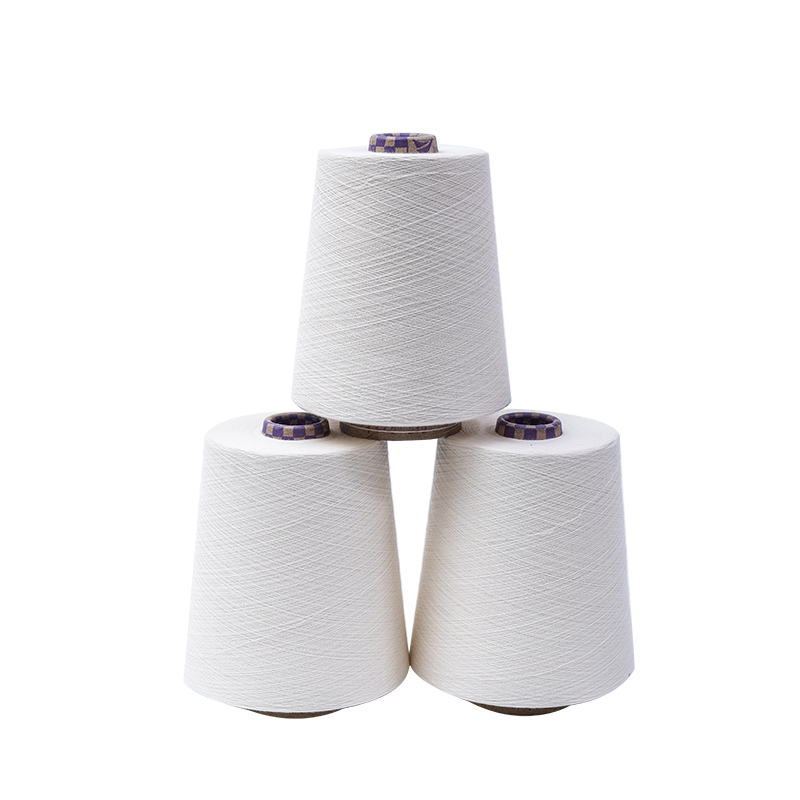 Polyester and Combed Cotton Blended Yarn for Soft, Durable TextilesCombining polyester's abrasion resistance with combed cotton's softness and breathability, this yarn offers a balanced hand feel. Its uniform strength and smooth finish make it ideal for beginner-friendly crochet and quality garments.View Product →
Frequently Asked Questions
Is polyester yarn good for beginners?
Yes, polyester yarn is a good choice for beginners once you know how it behaves. It does not split as easily as loosely twisted wool, and it is extremely forgiving when a stitch needs to be pulled out and reworked. New crocheters should practice keeping a relaxed tension, because polyester loops spring back tightly if gripped too hard. Start with a medium worsted weight polyester yarn and a 5.0 to 5.5 mm hook.
Does polyester yarn shrink in the wash?
Polyester yarn shrinks very little under normal washing. The fiber has a low moisture regain, so it does not swell significantly in water, which is the main mechanism of shrinkage for cotton. Heat is the bigger risk: washing in very hot water or drying on a high heat setting can soften the fiber and cause slight distortion. Machine wash cold or warm and tumble dry on low.
Can I machine wash crocheted polyester items?
Yes. Polyester is one of the easiest fibers to machine wash. Place the item in a mesh laundry bag, select a cold or warm gentle cycle, and use a mild detergent. Avoid chlorine bleach, which can weaken synthetic fibers over time. Air drying is recommended, but low-heat tumble drying is also safe for most polyester yarns.
Does polyester yarn stretch out of shape?
Less than cotton, and much less than some acrylic yarns. Polyester has moderate elongation at break, typically 20 to 30 percent, but its elastic recovery is high, so it returns to its original dimensions after the load is removed. That characteristic is what makes polyester bags and baskets survive heavy daily use without sagging permanently.
Is polyester yarn softer than acrylic?
The answer depends on the manufacturing route. Fine-denier, well-finished polyester yarn can feel very soft and approach the hand of a good cotton or modal yarn. Standard coarse-denier polyester is often firmer than acrylic. In our experience, premium polyester yarns that pass through a softening treatment are noticeably softer than most acrylic yarns of the same price range, while being denser and more durable.
Can I use polyester yarn for a crochet blanket?
Yes, polyester yarn makes a durable, washable blanket that does not stretch out or pill excessively. A polyester blanket will be denser than an acrylic one of the same thickness, and it will not be as breathable as cotton or wool. For a sofa throw, baby blanket or pet blanket, polyester is an excellent practical choice. For an all-season bed blanket in warm climates, choose a loose stitch pattern to improve ventilation.
What hook size is best for crocheting with polyester yarn?
For worsted weight polyester, start with a 5.0 mm hook, just as you would for cotton. If the fabric feels stiff and the stitches are hard to pull through, go up to 5.5 mm. If the yarn slips too easily and the loops feel loose, go down to 4.5 mm. Always complete a small swatch and let it rest for a few hours before measuring gauge.
Does polyester yarn produce static electricity?
Yes, polyester tends to generate static because it does not conduct moisture. Cold, dry environments make the problem more noticeable. Washing the finished item with a small amount of fabric softener, spraying it lightly with a static-reducing spray, or using a humidifier in the room will minimize cling. Crocheting near a humidifier also makes the yarn easier to handle for people with dry hands.