 English
 русский
 Español
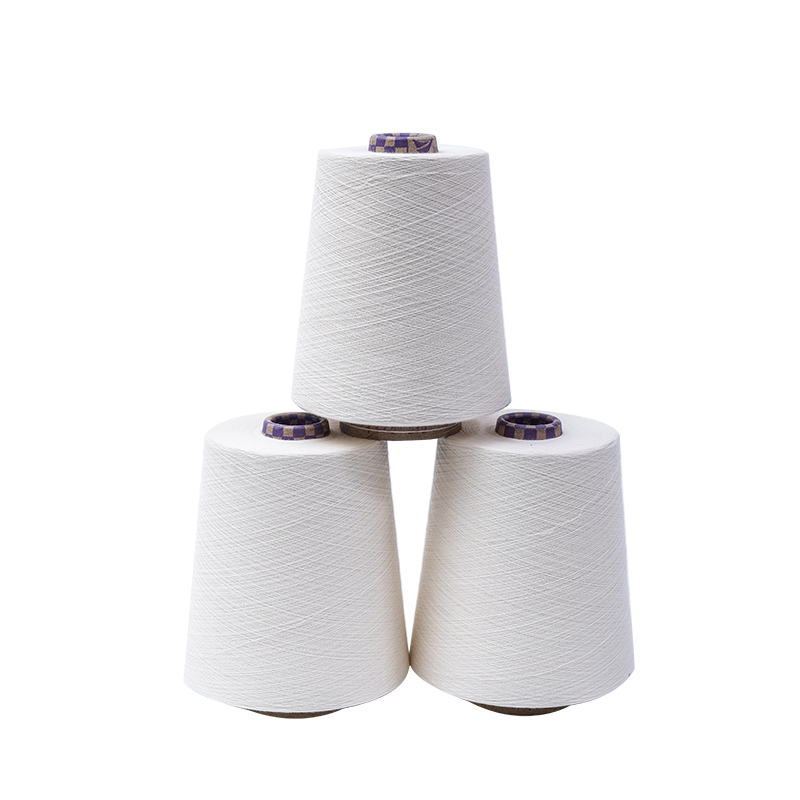
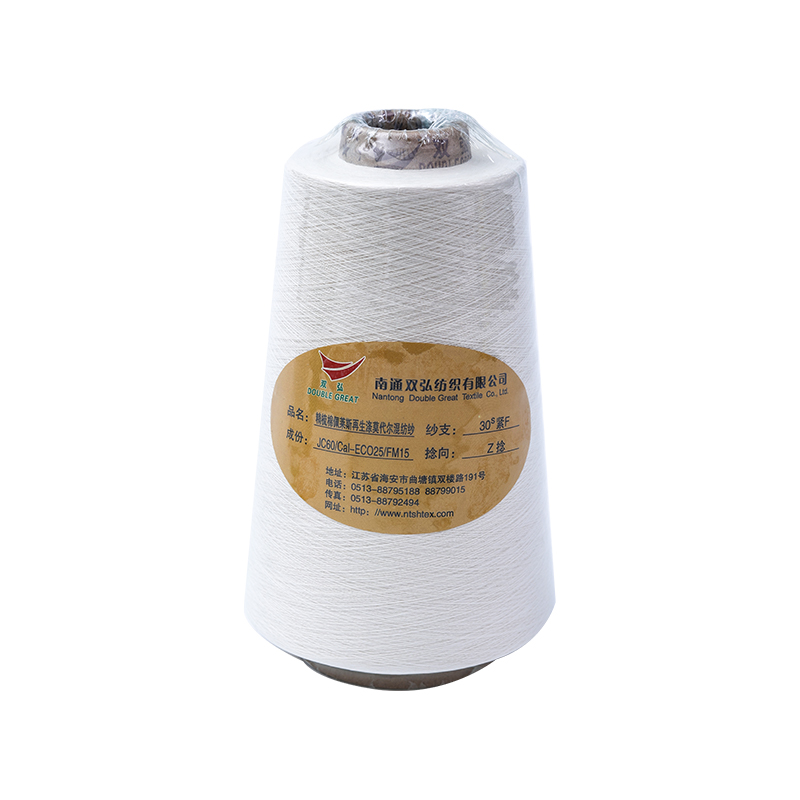
In the modern textile industry, fiber blending technology solves the limitations of single fibers in terms of durability or comfort through complementary advantages. By accurately blending synthetic fibers with natural or regenerated fibers, the resulting polyester cotton yarn, polyester viscose blended yarn, and poly viscose yarn have become core raw materials in the global textile supply chain. A deep understanding of the physical indicators and finished product performance of these yarns is key to optimizing production costs and improving final product quality.
Impact of Blending Ratios on Finished Product Physical Properties
The performance of blended yarns highly depends on the component ratios. Taking polyester cotton yarn (commonly known as poly cotton yarn) as an example, the most common 65/35 or 50/50 ratios effectively integrate the strength of polyester with the breathability of cotton fibers. This blending method significantly improves the breaking strength of the yarn, making it less prone to end-breaks during high-speed weaving processes.
In contrast, polyester viscose blended yarn (often abbreviated as poly viscose yarn or polyester viscose yarn) focuses more on the drape and moisture balance of the fabric. The addition of viscose fiber compensates for polyester's high static electricity and poor moisture absorption, making Polyester Blended Yarn feel closer to natural silk or combed wool.
Technical Parameter Comparison: polyester cotton yarn vs. polyester viscose yarn
For different purposes, choosing the right blended yarn requires reference to core physical parameters. The following is a performance index comparison based on standard specification yarns:
| Physical Index | polyester cotton yarn (65/35) | polyester viscose yarn (65/35) |
| Breaking Strength (cN/tex) | 22 - 28 | 20 - 25 |
| Moisture Regain (%) | 3.0 - 4.5 | 6.0 - 8.5 |
| Abrasion Resistance | Excellent | Good |
| Pilling Resistance Grade | Grade 3.5 - 4 | Grade 3 - 3.5 |
| Shrinkage (Washing Test) | < 1% | < 2% |
| Color Appearance | Matte, Natural texture | Bright, Silk-like luster |
Core Technical Advantages of poly cotton yarn
The widespread application of poly cotton yarn stems from its superior dimensional stability. Pure cotton yarn is comfortable but easily deforms and wrinkles after multiple washes. The polyester cotton yarn produced through blending maintains the natural touch of the fiber surface while utilizing the heat-setting properties of polyester, giving the fabric excellent shape retention.
In the spinning process, Polyester Blended Yarn processed using compact siro spinning technology further reduces hairiness on the yarn surface. This means that in the subsequent dyeing and printing processes, the yarn absorbs dyes more evenly, greatly reducing the risk of color difference and improving the smoothness of the fabric surface.
Dyeing and Finishing Characteristics of polyester viscose blended yarn
polyester viscose blended yarn holds a dominant position in high-end professional wear and fashion fabrics. Since viscose is a regenerated cellulose fiber, its dyeing depth and vividness are much higher than cotton. Fabrics produced using polyester viscose yarn often have better anti-static capabilities and a skin-friendly feel.
When producing poly viscose yarn, spinning mills usually adjust the twist according to customer requirements. High-twist polyester viscose blended yarn has a crisp, dry hand feel, suitable for making lightweight summer fabrics; while low-twist yarns are bulkier, suitable for underwear or knitwear, providing better warmth and breathability balance.
Key to Reducing Fabric Loss: Yarn Quality Consistency
Whether using polyester cotton yarn or poly viscose yarn, the consistency of the yarn (evenness) directly determines the operating efficiency of automatic looms. High-quality Polyester Blended Yarn must be tested by strict electronic yarn clearers to remove neps, thin places, and thick places.
Strength Testing: Ensure that polyester cotton yarn does not undergo brittle fracture under high tension.
Twist Detection: Maintain the twist deviation of polyester viscose yarn within ±3% throughout the entire production batch to prevent horizontal bars on the fabric surface.
Moisture Content Control: Precisely control the equilibrium moisture regain of poly cotton yarn to prevent mildew or fiber embrittlement during storage and transportation.
By optimizing fiber ratios and spinning parameters, the Polyester Blended Yarn series can meet various strict requirements from heavy industrial workwear to lightweight home textiles. Choosing polyester viscose blended yarn with ISO certification and standard test reports not only improves the grade of the finished product but also reduces the rework rate in complex dyeing and finishing processing, ensuring the stability of the production cycle.