 English
 русский
 Español
In modern industrial manufacturing and textile engineering, material selection directly determines the performance, longevity, and sustainability of terminal products. Understanding the characteristics of various polyester materials is crucial for meeting stringent requirements regarding strength, elongation, and environmental performance.
Core Classifications and Characteristic Differences of Polyester Materials
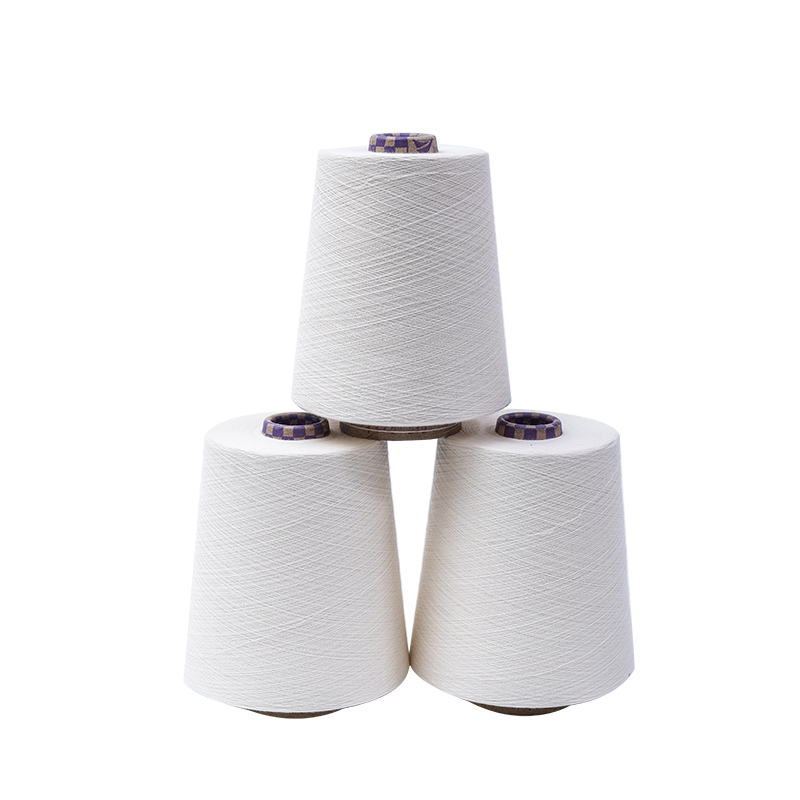
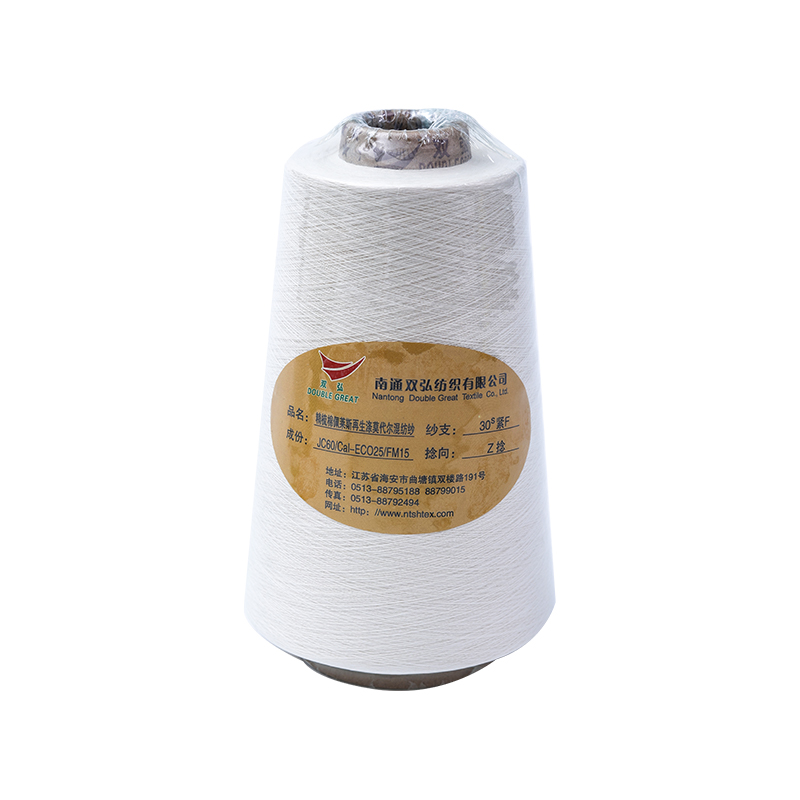
Polyester fibers in industrial applications exist primarily as Polyester Filament Yarn and Polyester Fiber Yarn. Polyester Filament Yarn consists of continuous filaments with a smooth surface and uniform fineness, possessing high physical strength and chemical stability, widely used in automotive interiors, industrial webbing, and high-end apparel fabrics. In contrast, Polyester Fiber Yarn is processed from staple fibers through spinning, offering better loft and hand feel, more commonly used in civilian textiles and filling materials.
In high-performance industrial scenarios, the continuous structure of Polyester Filament provides superior mechanical performance distribution, reducing the risk of pilling or breakage caused by exposed fiber ends. For engineering fabrics that must bear high tensile loads, selecting high-quality Polyester Filament is the foundation for ensuring structural stability.
High Tenacity Polyester: Key Performance Indicators for Industrial Applications
When application scenarios involve ropes, safety belts, geotextiles, and industrial canvas, High Tenacity Polyester becomes an irreplaceable choice. Through specialized spinning processes and drawing heat-setting technology, High Tenacity Polyester significantly enhances the orientation and crystallinity of molecular chains, thereby imparting extremely high breaking strength to the material.
The following is a performance comparison between High Tenacity Polyester and ordinary polyester fibers:
| Performance Indicator | Ordinary Polyester Filament Yarn | High Tenacity Polyester |
| Breaking Strength (cN/dtex) | 3.5 - 5.0 | 7.5 - 9.0 |
| Breaking Elongation (%) | 20 - 30 | 10 - 18 |
| Fatigue Resistance | Average | Excellent |
| Initial Modulus | Moderate | High |
The high-strength characteristics enable High Tenacity Polyester to maintain dimensional stability when subjected to severe mechanical impact, effectively extending the service life of products in extreme operating environments.
Sustainable Textile Manufacturing: The Technical Logic of Repreve Recycled Polyester
Amid the global push for a circular economy, Repreve Recycled Polyester has become a vital addition to the high-performance polyester sector. Through physical or chemical recycling processes, recovered plastic bottles are transformed into high-quality recycled polyester chips, which are then spun into Repreve Recycled Polyester fibers.
The core process lies in the deep cleaning, melt extrusion, and filtration of recycled raw materials, ensuring that their molecular weight distribution is highly consistent with virgin materials. This means that Repreve Recycled Polyester can perfectly match the physical performance of virgin Polyester Filament Yarn while significantly reducing energy consumption and carbon emissions. The application of this material not only addresses resource circularity but also enhances the green added value of terminal products without compromising physical strength.
Professional Considerations for Material Selection
When selecting materials for specific projects, focus on the matching of the following technical parameters:
Fineness to Strength Ratio: When designing high-performance fabrics, unit cross-sectional bearing capacity should be calculated based on the total fineness of Polyester Filament. For projects with strict weight requirements, prioritize High Tenacity Polyester to achieve high-strength support under lightweight conditions.
Modulus Stability: If a product frequently experiences thermal expansion and contraction during use, the shrinkage rate of the polyester fiber must be considered. High Tenacity Polyester is typically specifically treated for thermal shrinkage control to meet precise industrial specifications.
Environmental Suitability: Considering outdoor use scenarios, materials must possess ultraviolet (UV) degradation resistance. By adding anti-UV masterbatch, Polyester Filament Yarn can maintain long-term tensile strength, effectively resisting natural aging.
Through the refinement of Polyester Fiber Yarn basic spinning processes and the application of high-performance green fibers like Repreve Recycled Polyester, industrial production can achieve both efficiency and environmental goals. Understanding the physical essence of different polyester materials is the core technical path for developing innovative textile products.