 English
 русский
 Español

Polyester Yarn Is Best for Textiles That Need to Last
Polyester yarn is the most reliable choice when your fabric must stand up to repeated washing, friction, and exposure to sunlight while still holding its shape. It outperforms most natural fibers in strength retention, dries quickly, and resists shrinking, so it is the default for sportswear, outerwear, uniforms, bags, and home furnishing fabrics. In addition, when blended with cotton, viscose, modal, or wool, polyester yarn lets you balance durability with comfort and creates a fabric that is both practical and pleasant to wear.
The reason lies in the polymer structure. Polyester fibers have a high degree of crystallinity and orientation, which gives them strong tensile strength and low elongation under normal use. They are also hydrophobic, meaning they absorb very little moisture. This is why a polyester garment dries faster than cotton and why polyester upholstery resists water-borne stains. It also keeps the fiber from breaking down quickly in ultraviolet light, so colors remain more stable over the life of the product.
Activewear
Quick drying, lightweight, and shape-retentive with excellent colorfastness after repeated training and wash cycles.
Outerwear
Wind resistance and dimensional stability keep jackets and coats crisp even in damp weather.
Workwear
Abrasion resistance and easy-care behavior reduce garment replacement frequency in demanding jobs.
Home Textiles
Curtains, upholstery, and rugs benefit from low moisture absorption and high resistance to UV fading.
Blended Knitwear
When combined with cotton or viscose, polyester adds strength and reduces pilling while preserving softness.
Accessories
Bags, hats, webbing, and trims hold their shape and survive heavy handling much better than natural yarns alone.
Because no single fiber is perfect, the most common approach is to blend polyester with cotton, viscose, modal, or wool. A 65/35 polyester-cotton blend, for example, gives the best of both worlds: the strength and easy care of polyester plus the comfort and absorbency of cotton. The same logic applies to polyester-viscose blends for dress fabrics, where the viscose adds a fluid drape and the polyester controls wrinkles.
From a manufacturing point of view, polyester yarn is also highly consistent. It is a synthetic fiber, so its length, fineness, and cross-section can be controlled in production. That uniformity translates directly into fewer knitting or weaving defects, lower machine stoppage, and more predictable fabric finishing than with many natural fibers.
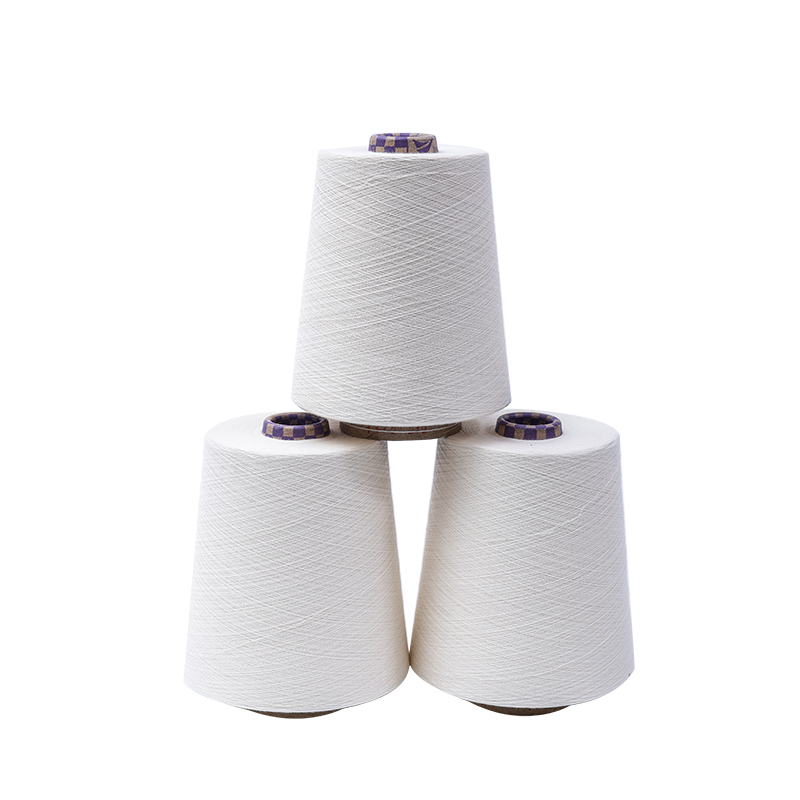
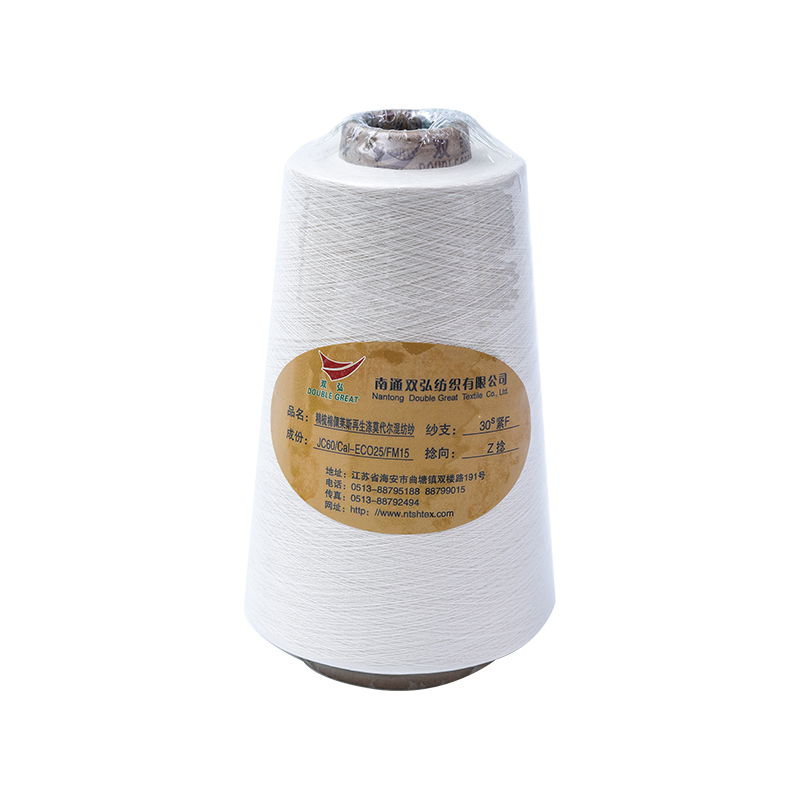
 Polyester Blended Yarn-Tex for High-Performance and Technical UsesThis versatile blend offers quick-drying, high tensile strength, and wrinkle resistance, making it suitable for outdoor activewear and industrial textiles with counts up to 80S.View Product →
Polyester Yarn vs Cotton, Acrylic, and Nylon
Understanding what polyester yarn is best for becomes easier when you compare it alongside the fibers most often used in the same products. The table below summarizes the key performance differences for a typical spun polyester yarn compared with cotton, acrylic, and nylon yarns of similar count.
| Property | Polyester | Cotton | Acrylic | Nylon |
|---|---|---|---|---|
| Abrasion resistance | High | Medium | Medium | High |
| Tenacity | High | Medium | Medium | Very high |
| Moisture absorption | Low | High | Low | Low |
| Drying speed | Fast | Slow | Medium | Fast |
| UV resistance | High | Medium | Low | Low |
| Shape retention | High | Medium | Medium | Medium |
| Breathability | Low | High | Medium | Low |
Cotton is more breathable and feels soft against the skin, but it lacks polyester’s durability and tends to shrink or crease. Acrylic is often used for knitwear because of its wool-like feel, yet it pills more easily and loses strength faster than polyester in active use. Nylon has outstanding abrasion resistance, but it absorbs more moisture than polyester, feels less crisp, and is usually more expensive for the same yarn count.
For many product categories, the answer is not to replace cotton completely, but to use polyester where it performs best. In socks, for example, adding polyester to cotton increases durability in the heel and toe while keeping the rest of the sock breathable. In workwear, a higher polyester content ensures the garment keeps its crease and does not wear through at the knees and elbows.
Another important comparison is between polyester filament and spun polyester yarn. Filament polyester is smooth, slippery, and very strong, which makes it ideal for linings and high-density woven fabrics. Spun polyester yarn, on the other hand, has a softer, more cotton-like hand, so it is better for knitwear, t-shirts, and home textiles. Many fabric developers choose a combination of both in different parts of the same garment.
Best Clothing Applications for Polyester Yarn
Polyester yarn is now a standard component in almost every clothing category. The key is selecting the right blend, yarn count, and twist for each end use.
T-Shirts and Casual Tops
Plain polyester yarn can feel less breathable in hot weather, but when blended with cotton or modal, it creates a fabric that resists shrinking, keeps its shape after washing, and reduces the heavy, wet feeling of pure cotton. A jersey knit made from 50/50 polyester-cotton is widely used for everyday t-shirts because it is lightweight, comfortable, and needs less ironing.
Sports and Activewear
Polyester yarn is the backbone of performance wear. Its low moisture regain means sweat is pushed to the fabric surface, where it can evaporate. That property, combined with high tenacity, allows activewear to be made in lighter weights without losing durability. For yoga pants, cycling jerseys, and training tops, spandex or elastane is often core-spun with polyester to provide stretch and recovery.
Outerwear
Jackets, softshells, and windbreakers rely on polyester yarn because it holds its structure even when exposed to wind and rain. The fiber does not absorb much water, so the garment does not become heavy when damp. Polyester outerwear fabrics also maintain a smooth surface that is easy to laminate with waterproof membranes.
Suits and Formal Wear
Worsted-style polyester and polyester-viscose blends are widely used in suiting because they resist wrinkles and keep a sharp crease far better than cotton or wool alone. This makes polyester ideal for travel suits, uniforms, and office wear where the garment must look tidy after a full day.
Swimwear
Polyester yarn is excellent for swimwear because it does not absorb pool water, dries quickly, and holds color better than nylon when exposed to chlorine. High-tenacity polyester is common in competitive swimwear where a snug fit and low water resistance are critical.
Hosiery and Socks
In socks, polyester is used in high-friction areas to prevent holes and in the main body to help wick moisture. In sheer hosiery, micro-polyester yarns create a smooth, matte finish that is more durable than cotton and less expensive than silk.
Underwear and Sleepwear
For underwear and sleepwear, polyester microfiber is a popular choice because it is soft, smooth, and does not shrink. It also holds bright colors well, which matters for intimate apparel that is frequently washed. As with activewear, blends with cotton or modal improve breathability next to the skin.
Accessories
Bags, belts, hats, and backpacks are often made from recycled polyester yarn because the fiber’s toughness extends product life. The same abrasion resistance that makes it good for apparel also makes it a reliable choice for accessories exposed to daily handling.
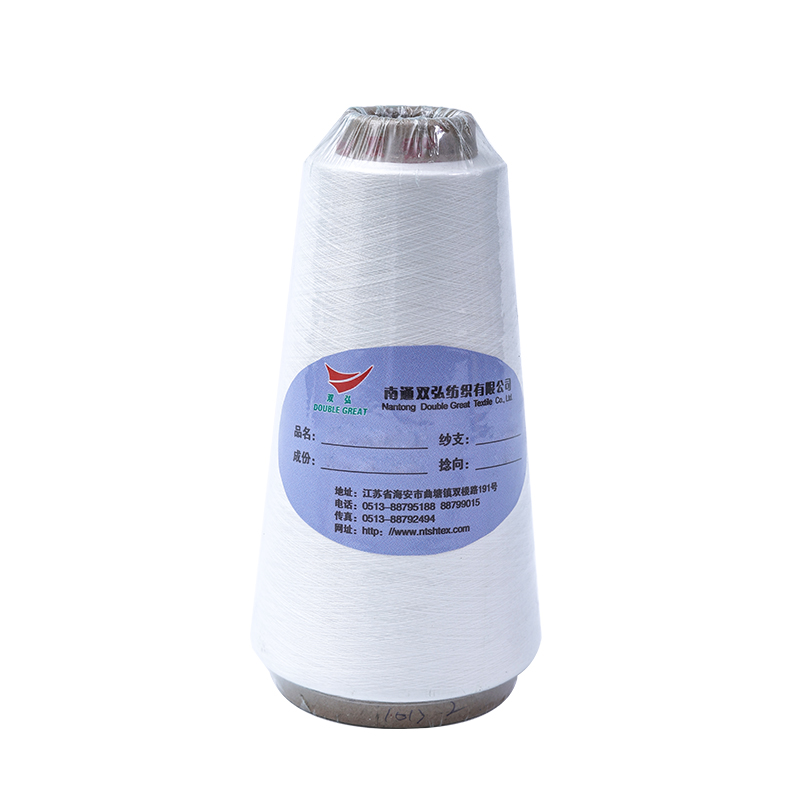
 Recycled Polyester Blend for Sustainable and Durable Everyday GoodsCombining recycled fibers with cotton or spandex, this yarn provides durability, breathability, and good color fastness, ideal for sportswear, accessories, and home textiles.View Product →
Home Textiles and Specialty Industrial Uses
Beyond clothing, polyester yarn is equally important in home textiles and industrial applications. Curtains and upholstery made from polyester resist fading from sunlight and hold their shape after many years of use. Because polyester is hydrophobic, spills do not penetrate the fabric as quickly as they would with cotton, which makes it easier to clean in sofas and dining chairs.
In bedding, polyester yarn is used for pillowcase fabrics, mattress ticking, and decorative covers. Blended with cotton, it reduces wrinkling and shrinkage while maintaining a soft hand. Polyester rugs and carpets are known for their stain resistance and strength, especially in high-traffic entryways and hallways.
Industrial textile uses are equally broad. Polyester yarn goes into ropes, webbing, conveyor belts, tarpaulins, and filters. It is also used in automotive seat fabrics, where UV resistance and abrasion resistance are essential. In medical textiles, polyester yarn appears in surgical gowns, wound dressings, and support bandages because it can be engineered for excellent strength and cleanliness.
Specialty polyester yarns add another layer of performance. Flame-retardant polyester yarn is available for protective clothing and public seating fabrics that must meet local fire safety standards. Antibacterial polyester yarns are used in sportswear, hotel bedding, and healthcare textiles to reduce odor and bacterial growth. Far-infrared, graphene-modified, and UV-resistant polyester yarns are also being specified for functional garments that provide warmth, anti-static behavior, or sun protection.
A manufacturer that understands these application requirements can adjust the yarn count, twist, blend ratio, and finish to match the exact performance target. For example, a flame-retardant recycled polyester yarn can be produced when a customer wants both safety and a reduced environmental footprint.
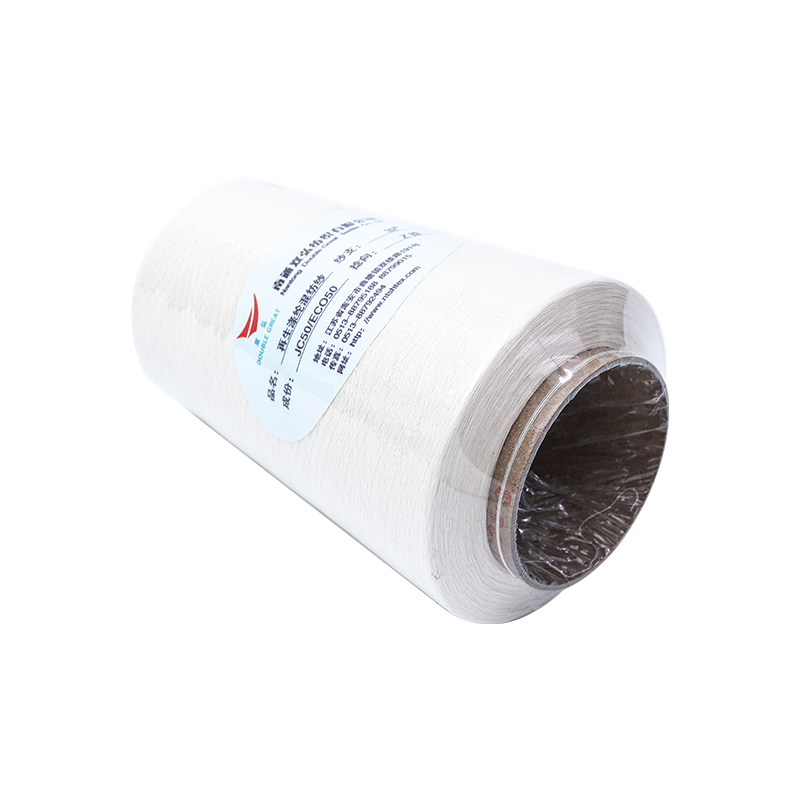
 Flame-Retardant Recycled Polyester for Safety and Contract TextilesFeaturing inherent flame resistance and GRS certification, this recycled yarn meets international standards for hospitality, transportation, and protective workwear applications.View Product →
How to Choose the Right Polyester Yarn
The phrase “polyester yarn” covers a wide range of products, and each specification changes the final fabric. To pick the one that is best for your application, consider these five points.
- Yarn count: A finer count is lighter and softer, but may break more easily. Coarse counts are stronger and better for heavy fabrics such as workwear and upholstery.
- Blend ratio: Polyester-cotton 65/35, 50/50, and 35/65 are common. Higher polyester gives more durability and wrinkle resistance; higher cotton gives more breathability and comfort. Polyester-viscose blends add drape and a smoother surface.
- Twist level: Higher twist increases strength and creates a crisper hand, but can reduce softness. Lower twist feels softer and is better for knitted garments, but may pill more.
- Tenacity and elongation: Knitting yarn usually needs more elongation to move smoothly on the machine, while weaving yarn can run with lower elongation and higher tenacity. Check the specification with your production team.
- Evenness and hairiness: Low evenness variation and low hairiness reduce stops and defects in high-speed knitting or weaving. Ask for Uster statistics or a lab report before ordering.
For a new product, it is also wise to discuss the end-use with your yarn supplier. A yarn that performs well in a lightweight jersey may not be the best for a structured blazer or a flame-retardant upholstery fabric. A reliable yarn mill will not just sell a standard product; it will recommend a blend ratio and spin system that matches your fabric’s final requirements.
Many fabric developers start with our polyester blended yarn series because it covers the most common performance needs. From there, we work together to adjust yarn count, twist, and finish. If you are not sure which specification fits, the next step is to send a sample or describe the target product in detail.
Why Manufacturing Quality Matters for Polyester Yarn
Choosing the right specification is only the first step. Polyester yarn must be spun consistently across every batch; otherwise, the fabric will develop streaks, thickness variations, and uneven dyeing. This is where the quality system of the spinning mill becomes the difference between a smooth production run and a costly one.
At Nantong Double Great Textile, our focus for more than four decades has been high-quality and differentiated yarns. We operate spinning lines equipped with European and Japanese machinery for carding, combing, roving, and automatic winding. The same equipment set is used for polyester blends, core yarns, and functional yarns, which gives us tight control over evenness and hairiness.
Quality verification is carried out using laboratory testing instruments from Switzerland and Germany, including Uster testers, in our accredited laboratory. Every production batch is tested for count variation, strength, elongation, twist, and imperfections. This is especially important for polyester blends, because small variations in fiber length or blend ratio can change the appearance of the finished fabric.
For international buyers, reliable communication and traceability are just as important as machinery. We keep records of every production lot and can supply test reports before shipment. This transparency reduces the risk of receiving yarn that does not meet specification and helps fabric mills plan their own quality checks.
If you are developing a product around polyester yarn, we can also help with technical questions about blend ratios, spinning methods, and finishing. Fabric mills and brand teams are welcome to visit our facility in Jiangsu, China, or review our manufacturing background online. You can contact our technical team with your projected fabric weight, construction, and performance target.
Frequently Asked Questions About Polyester Yarn
Polyester yarn is less breathable than cotton, but the final fabric breathability depends on construction. Knitted fabrics with low twist and open stitches are more breathable. Blending polyester with cotton or viscose significantly increases air and moisture permeability.
Yes, but it should be chosen carefully. Soft spun polyester or microfiber polyester can be gentle on the skin, and it is free of natural allergens. Many manufacturers combine polyester with organic cotton or modal to improve softness and breathability for baby garments.
Polyester fiber itself shrinks very little. In blended yarns, shrink behavior usually comes from the cotton or wool component. Pre-shrunk polyester blends and heat-set fabric finishing can reduce shrinkage to below three percent for most garments.
For lightweight insulation, polyester is good because it traps warm air and dries quickly. In heavier knitwear, it is usually blended with wool or acrylic to add loft and a warmer hand. Functional polyester yarns with far-infrared properties are also used for thermal garments.
For maximum durability, a high polyester content of 65 percent or more is best. A 65/35 polyester-cotton blend is a proven standard because it provides strength and easy care while the cotton portion improves comfort. In abrasion-heavy products like socks, a nylon-polyester-cotton three-way blend is even stronger.