 English
 русский
 Español
In the modern textile industry, chemical fiber blended yarn and pure natural fiber yarn are two common types of yarn. They each have different properties and characteristics, making them suitable for different applications. This article explores the key differences between these two types of yarn from multiple perspectives.
1. Raw Material Composition
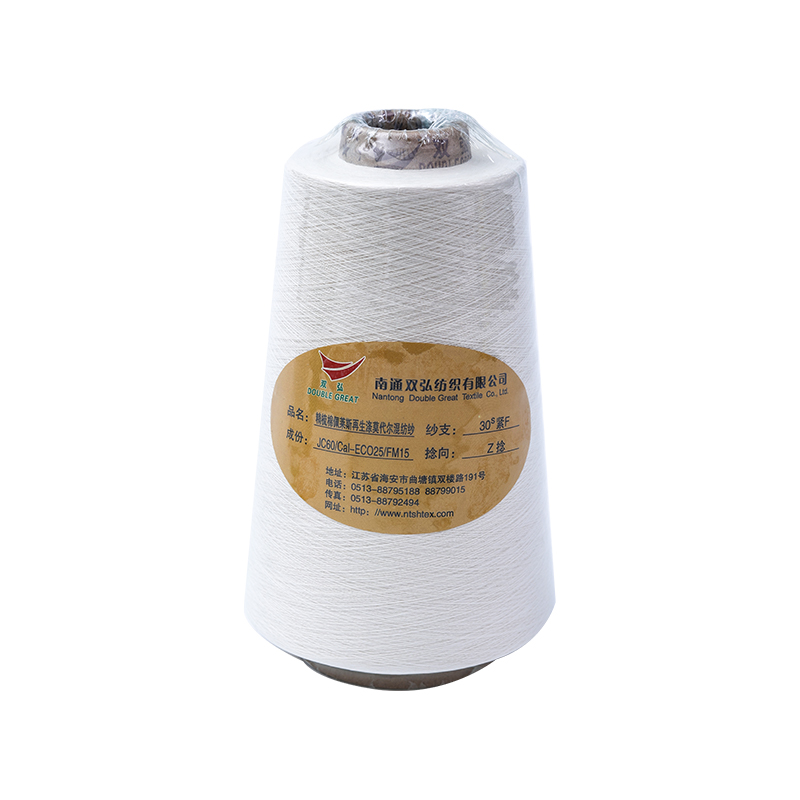
Chemical fiber blended yarn is mainly made from chemical fibers (such as polyester, nylon, acrylic, etc.) blended with natural fibers (such as cotton, wool, hemp, etc.). Chemical fibers are typically manufactured through chemical processes and have good durability, wrinkle resistance, abrasion resistance, and ease of cleaning.
Pure natural fiber yarn is composed entirely of natural fibers such as cotton, wool, silk, and hemp. Natural fibers are processed through traditional spinning methods, retaining their natural characteristics such as breathability, moisture absorption, and comfort.
2. Performance Differences
Chemical fiber blended yarn offers strong durability and wrinkle resistance, making it suitable for long-term wear. Chemical yarn has superior abrasion resistance, making it ideal for outerwear and workwear, which require durability. The blending of chemical fibers enhances the yarn's softness, colorfastness, and water resistance, making it suitable for a wide range of applications.
Pure natural fiber yarn excels in comfort and environmental friendliness, especially in clothing directly in contact with the skin, such as underwear, t-shirts, and bedding. Natural fibers' breathability and moisture-wicking properties make them ideal for hot climates. Additionally, the comfort, softness, and skin-friendly nature of natural fibers are highly favored by consumers.
3. Environmental Impact and Sustainability
Chemical fiber blended yarn poses certain environmental challenges. Most chemical fibers are derived from petroleum, and their production consumes a significant amount of energy and contributes to non-biodegradability. Although some biodegradable bio-based fibers have been developed in recent years, the environmental impact of chemical fibers remains relatively high.
Pure natural fiber yarn is generally more environmentally friendly, especially those made from organic fibers such as organic cotton and wool. These fibers require fewer chemicals in their production and are biodegradable, reducing environmental pollution. As sustainability becomes a more prominent trend, natural fibers are increasingly popular with consumers.
4. Cost Differences
Chemical fiber blended yarn typically has a lower production cost, especially in mass production. The manufacturing processes for chemical fibers are well-established, allowing for cost-effective production while meeting market demands for durability and functionality. Additionally, chemical fiber blended yarn can reduce production costs through higher manufacturing efficiency.
Pure natural fiber yarn is more expensive, particularly due to the cost of raw material acquisition and processing. The cultivation, harvesting, and spinning processes for natural fibers generally require more labor and time. Costs are particularly higher for organic or high-quality natural fibers.
5. Moisture Absorption and Breathability
Chemical fiber blended yarn tends to have poor moisture absorption and breathability. Although some chemical fibers (such as polyester and nylon) perform better in moisture-wicking, they are not as absorbent as natural fibers. In high-humidity environments, chemical fiber blended yarn can trap moisture, leading to discomfort for the wearer.
Pure natural fiber yarn has a clear advantage in this area. Natural fibers like cotton and wool can efficiently absorb and release moisture, keeping the wearer dry. Natural fibers' breathability is also better, allowing for comfort in hot and humid environments.
6. Applications and Market Demand
Chemical fiber blended yarn is widely used in the market. Its durability, easy care, low cost, and variety of functional features make it suitable for everyday wear, workwear, sportswear, and home textiles. With technological advancements, chemical fiber blended yarn is also being applied in functional textiles, such as moisture-wicking, antibacterial, and UV-resistant fabrics.
Pure natural fiber yarn is typically used in the high-end market, especially in fine garments, luxury goods, and specialty textiles. With the increasing demand for green consumption, natural fibers are seeing growth, particularly among consumers who are environmentally conscious and value health-related benefits.
7. Colorfastness and Dyeing Properties
Chemical fiber blended yarn offers good color performance and dyeing properties. Chemical fibers are highly absorbent of dyes and have good colorfastness. As a result, chemical fiber blended yarn is capable of producing rich and long-lasting colors, meeting the diverse needs of the market.
Pure natural fiber yarn typically does not have as strong dyeing properties as chemical fibers. Natural fibers have weaker dye absorption, which may require more chemicals in the dyeing process, and their colorfastness may not be as good as chemical yarns. The color selection for natural fiber fabrics is also more limited, especially in applications where high dyeing performance is required.
8. Strength and Durability
Chemical fiber blended yarn is superior in terms of strength and durability. Chemical fibers have high tensile strength and resistance to tearing, making chemical fiber blended yarns ideal for use in products that undergo frequent wear and tear, such as outerwear and industrial fabrics.
Pure natural fiber yarn tends to be weaker and less durable, especially fibers like cotton and hemp, which are prone to wear over time. Wool and other natural fibers have some elasticity, but they still fall short in strength compared to chemical fiber blended yarns.