 English
 русский
 Español
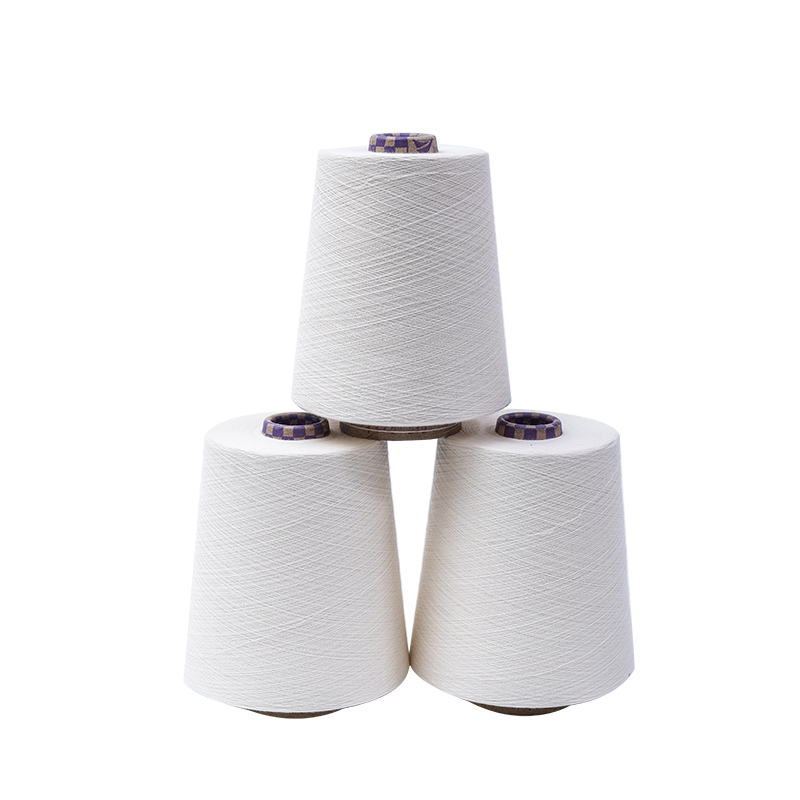
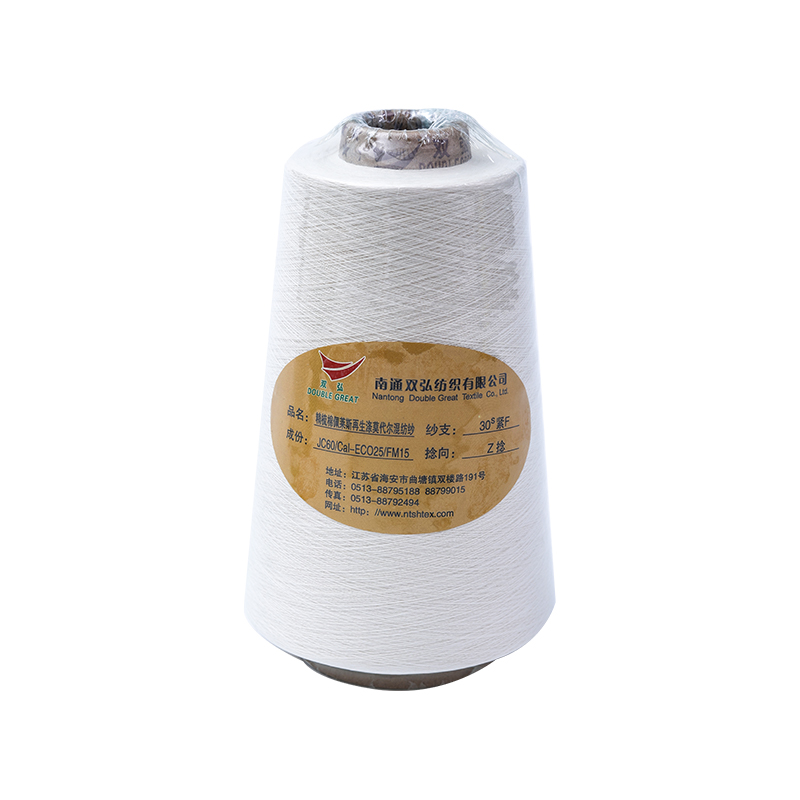
With the dual improvement of fabric functionality and economic requirements in the modern textile industry, it is difficult for a single fiber to fully meet the volatile market demand. Through precise proportioning and advanced spinning technology, blending polyester with natural fibers or other regenerated fibers has become the mainstream solution for manufacturing high-quality fabrics. In many industrial manufacturing and garment fabric supply chains, polyester blended yarn occupies a core position. Among them, polyester cotton yarn (also commonly referred to as poly cotton yarn) and poly viscose yarn (also known as polyester viscose blended yarn or polyester viscose yarn) are the most common.
Reasonably evaluating the physical structure, strength performance, and moisture absorption properties of these high-quality yarns can directly determine the wrinkle resistance, wear resistance, and skin-friendly touch of the final fabric.
The Physical Logic of Fiber Compounding
In the process of fabric development, the original intention of designing polyester blended yarn is to achieve complementary advantages. Polyester fiber has an extremely high modulus and tensile strength, excellent elongation at break, and high elastic recovery rate, which makes the yarn naturally possess excellent crispness and wrinkle resistance. However, pure polyester yarn has limitations in moisture absorption, anti-static properties, and softness of hand feel.
The introduction of cotton or viscose can break through this limitation:
The introduction of natural fibers: In polyester cotton yarn, the natural twist and porous structure of cotton fibers provide a good capillary moisture absorption effect for the yarn, reducing the stuffy feeling of pure polyester.
The introduction of regenerated fibers: In poly viscose yarn, viscose fiber, as a regenerated cellulose fiber, has a serrated cross-section and an extremely high standard moisture regain (up to about 13%), which can give polyester viscose blended yarn a smooth drape and cool feeling comparable to silk or high-grade cotton.
Technical Characteristics Comparison of Core Blended Categories
In order to accurately select materials in actual production, it is necessary to weigh the quantitative indicators of different types of polyester viscose yarn and polyester cotton yarns. Different blending ratios (such as the classic 65/35, 50/50, T/R 80/20) have a decisive impact on the final performance of the yarn.
The following table provides a comparison of the physical parameters and application characteristics of several core yarns under industry-standard blending ratios:
| Yarn Category Name | Common Core Ratio | Strength Performance (cN/tex) | Standard Moisture Regain (%) | Core Physical Advantages | Typical Application Fabrics |
| polyester cotton yarn / poly cotton yarn | 65% Polyester / 35% Cotton | 22 - 28 | 3.0 - 4.5 | High tear strength, abrasion resistance, excellent wrinkle resistance and shape retention | Workwear fabrics, shirt fabrics, washable home textiles |
| polyester cotton yarn / poly cotton yarn | 50% Polyester / 50% Cotton | 18 - 24 | 5.0 - 6.0 | Softer touch, good moisture absorption balance, less prone to static electricity | Casual wear, knitted T-shirts, knitted underwear substrates |
| poly viscose yarn / polyester viscose yarn | 65% Polyester / 35% Viscose | 20 - 26 | 4.5 - 5.5 | Excellent fabric drape, bright color, good resistance to hairiness and neps | Suit fabrics, fashion trousers, imitation wool gabardine |
| polyester viscose blended yarn | 50% Polyester / 50% Viscose | 17 - 22 | 6.5 - 7.5 | Delicate and smooth hand feel, excellent moisture absorption and sweat wicking potential, good thermal conductivity | High-grade linings, light and thin summer fashion, medical dressing substrates |
Solving Practical Production Pain Points: Pilling and Uneven Dyeing
When applying polyester blended yarn for weaving and dyeing, downstream manufacturers often encounter two core technical bottlenecks: insufficient anti-pilling rating and color difference caused by the dyeing process of two-component fibers.
Anti-Pilling Control
Since the strength of polyester fiber is extremely high, when subjected to friction, the microfine fibers on the yarn surface slide out to form hairiness, which is not easy to fall off and easily curls into pills. In poly cotton yarn, if the selected cotton fiber has high length irregularity, the pilling phenomenon will intensify. The key to solving this problem lies in the selection of the spinning process. polyester viscose yarn manufactured by compact siro spinning or vortex spinning has tighter fiber wrapping and significantly reduced surface hairiness, which can increase the anti-pilling rating of the fabric to grade 3-4 or above.
Dyeing Uniformity and Double Dyeing Process
Both polyester viscose blended yarn and polyester cotton yarns are two-component yarns. Polyester is a hydrophobic fiber and requires the use of disperse dyes for dyeing under high temperature and high pressure (130 degrees Celsius); while cotton and viscose are hydrophilic cellulose fibers, requiring the use of reactive dyes or direct dyes for dyeing under normal temperature and pressure. Therefore, when processing fabrics made of this type of yarn, a "double dyeing method" (one-bath or two-bath process) must be adopted. Strictly controlling the heat setting temperature and the PH value during top dyeing can ensure that the two fibers in the polyester cotton yarn achieve completely consistent depth and luster, avoiding the formation of obvious frost spots or shading differences.
How to Make Selection Decisions Based on Terminal Demand
Clarifying the technical indicators of downstream garments or industrial fabrics is the ultimate basis for choosing the appropriate polyester blended yarn. If the garment environment emphasizes wear resistance, high-frequency industrial washing, and requires a crisp appearance, preference should be given to polyester cotton yarn with a large proportion of polyester. If the terminal fabric pursues a silky drape, high color fastness, and has strict restrictions on the skin friction coefficient (such as high-grade business wear, dresses, and fashion linings), then poly viscose yarn or polyester viscose blended yarn is the optimal solution.
Through fine-tuning the fiber ratio and precisely controlling the spinning form, polyester blended yarn can continue to provide cost-effective solutions combining physical strength and comfortable body feel for global textile manufacturing.