 English
 русский
 Español
In the modern textile industry, synthetic fibers have become the absolute core of the global textile supply chain due to their excellent physical properties and high cost-effectiveness. Among them, polyester filament yarn and polyester fiber yarn, as two major mainstream categories, are widely used in apparel, home textiles, and industrial textile fields. Choosing the right yarn type according to the needs of the final product and solving processing difficulties in production (such as color fastness control for dyeing polyester yarn) are key to improving product added value.
Core Performance and Parameter Comparison of polyester filament and Polyester Staple Yarn
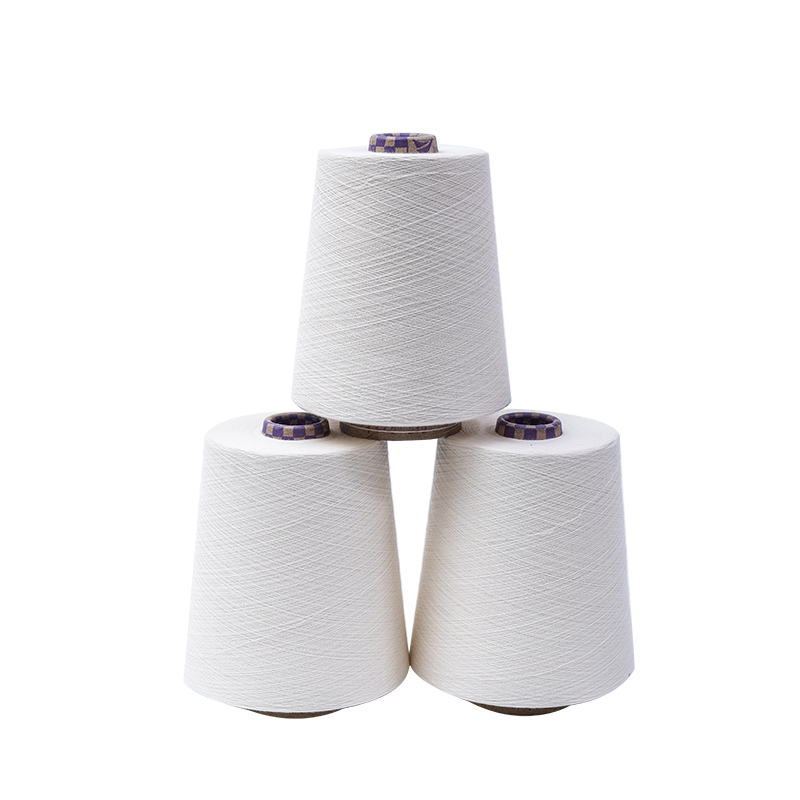
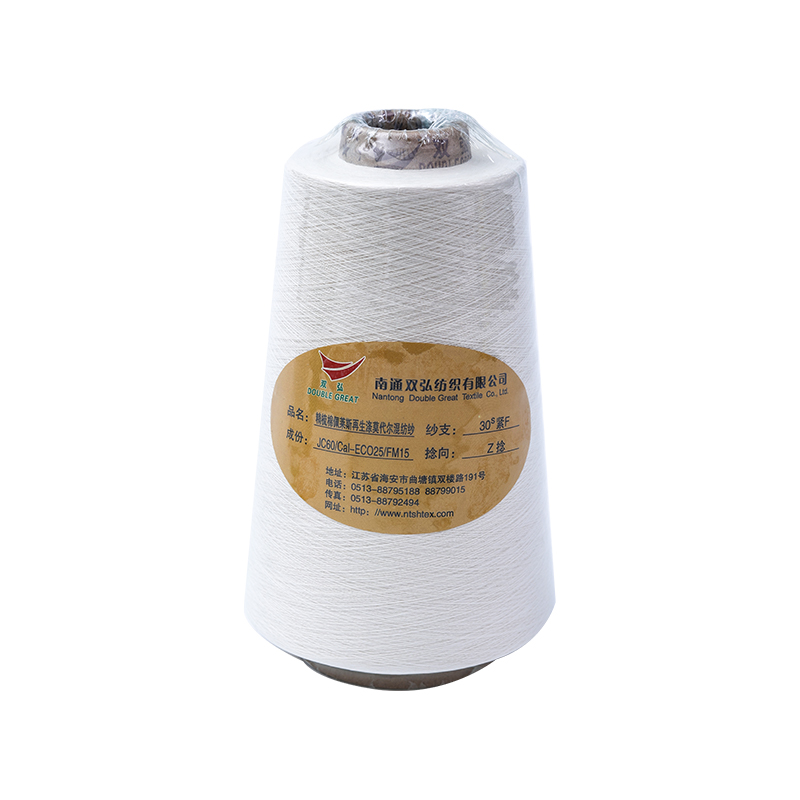
In process selection, clarifying the physical parameters of different forms of polyester fiber is the first step to optimize production. polyester filament is composed of continuous fiber strands with a smooth surface and tight structure, while staple yarn is made by cutting filaments into specific lengths and then spinning them through yarn spinning processes.
Below is a key technical parameter comparison between the two core yarn types:
| Physical Indicators / Performance Parameters | polyester filament yarn | polyester fiber yarn |
|---|---|---|
| Fiber Form | Continuous filament, smooth surface, tight structure | Staple fibers twisted together, surface has micro-fuzz |
| Breaking Strength (Tenacity) | Higher (greater than or equal to 4.5 cN/dtex) | Slightly lower (greater than or equal to 3.5 cN/dtex) |
| Abrasion Resistance | Excellent, not easy to pill | Good, but prone to pilling under high friction |
| Moisture Regain / Breathability | Lower (about 0.4%), mainly improved by profile cross-sections | Relatively better, gaps between fibers favor breathability |
| Fabric Appearance | High gloss, strong silk-like feel, crisp | Cotton-like feel, full appearance, soft gloss |
| Main Applications | Sportswear, high-grade shirt fabrics, industrial conveyor belts | Casual wear, knitted underwear, cotton-like and blended fabrics |
Overcoming Wool-like and Warmth Bottlenecks: The Composite Advantages of acrylic polyester yarn
Although pure polyester yarn has the characteristics of high strength, easy washing, and quick drying, pure polyester often feels too stiff in the development of fabrics pursuing soft hand-feel and high warmth retention. To solve this problem, acrylic polyester yarn, which combines polyacrylonitrile fiber (acrylic) and polyester, came into being.
acrylic polyester yarn successfully achieves complementary advantages of the two fibers:
Hand-feel and bulkiness improvement: Acrylic is known as "synthetic wool" and has excellent crimp and elasticity recovery rate. When blended with polyester, it can effectively mask the stiff and cold touch of polyester, giving the yarn a fullness and softness similar to natural wool.
Anti-pilling and strength balance: Pure acrylic fabric has lower strength and is highly prone to pilling. After adding polyester fiber yarn, the high strength and wear resistance of polyester act as a skeleton support, significantly reducing hairiness entanglement during wearing and washing processes.
Tackling dyeing polyester yarn Process Difficulties: High Color Fastness and Uniform Dyeing Solutions
In the processing chain of polyester yarn, the dyeing stage is often where technical difficulties are most concentrated. Because the internal macromolecules of polyester filament are arranged very tightly with high crystallinity and lack hydrophilic functional groups, conventional dye molecules find it extremely difficult to penetrate.
To achieve high-quality dyeing polyester yarn (polyester yarn dyeing), the following process elements must be strictly controlled:
Temperature and Pressure Control
The glass transition temperature of polyester fiber is around 80 degrees Celsius. In actual production, the high-temperature and high-pressure (HTHP) dyeing method must be adopted to raise the dye liquor temperature to 130 to 135 degrees Celsius, and control the pressure at 0.2 to 0.3 MPa. In this state, the polyester macromolecular segments move violently, instantaneous micropores enlarge, and disperse dyes can smoothly enter the fiber interior.
Synergistic Effect of Dispersant and pH Value
Dispersive dyes are highly prone to aggregation at high temperatures, leading to color spots and stains. A highly effective high-temperature dispersing chelating agent must be added. At the same time, the pH value of the dye bath must be strictly controlled in a weakly acidic state of 4.5 to 5.5. If the pH value is too high, disperse dyes will undergo hydrolysis, leading to significant color deviation and decreased dye utilization.
Efficient Reduction Clearing
After dyeing is completed, some unfixed dyes and oligomers usually remain on the fiber surface. This not only reduces the rubbing fastness and washing fastness of dyeing polyester yarn, but also affects the vividness of the fabric. By using sodium hydrosulfite (sodium dithionite) and caustic soda for reduction clearing at 80 degrees Celsius, surface floating colors can be thoroughly decomposed, allowing the wash fastness of the final product to reach grade 4 or above.