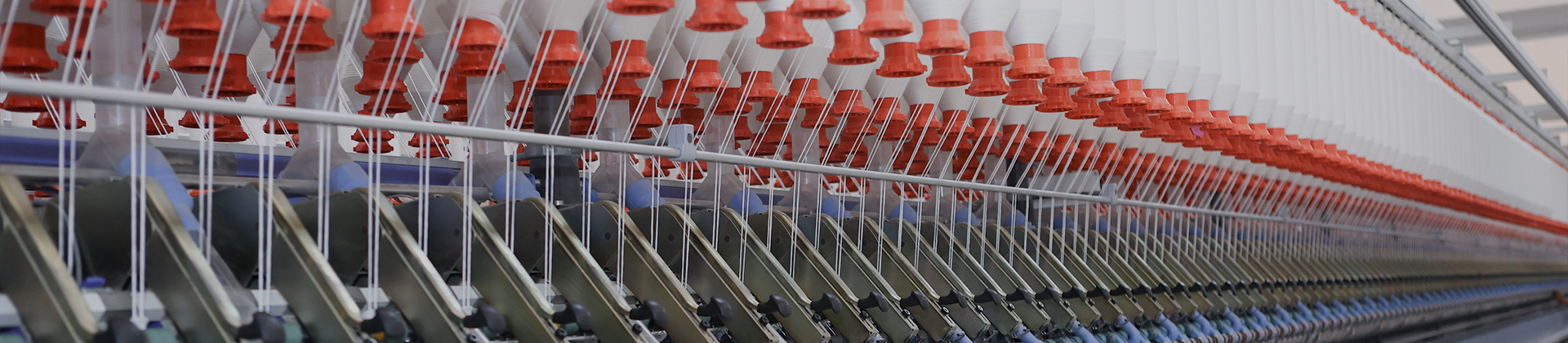
Low Carbon Footprint Bio Regeneration Yarn Wholesale

LCA Verified Renewable Energy Spun OEKO-TEX Standard 100

Low Carbon Footprint
Bio Regeneration Yarn

A yarn whose emissions profile is measured, not marketed — combining bio-based fiber, renewable energy sourcing and a regional supply chain to deliver a documented lower-carbon alternative.

65/35
Bio-Fiber / Polyester Ratio*
20s–36s
Yarn Count Range
30%+
Lower CO2/kg vs. Industry Average*
4–5
Color Fastness Grade
Related Products

You May Also Like

View All Products
Introduction

A Yarn Measured by What It Doesn't Emit

Most sustainability claims in textiles focus on what a fiber is made from; far fewer are backed by an actual measurement of what it took to make it. The Low Carbon Footprint Bio Regeneration Yarn is built around a documented life-cycle assessment, giving brands a yarn whose emissions profile is quantified rather than simply implied by its raw material story.

Lower carbon output here comes from several compounding choices: a bio-based fiber component that requires less energy-intensive processing than virgin synthetic production, renewable energy sourced for a portion of the spinning process, and shortened transport distances achieved by consolidating fiber sourcing and spinning within the same regional supply chain.

Every production lot is benchmarked against a calculated carbon-per-kilogram figure, verified through third-party life-cycle assessment methodology, so brands reporting on Scope 3 emissions in their supply chain can use real numbers rather than industry averages when accounting for this yarn's contribution.

This yarn's calculated carbon footprint per kilogram runs meaningfully below the industry average for equivalent-weight conventional polyester-blend yarn, based on third-party LCA methodology.
Documented LCA Data
Carbon-per-kilogram figures are calculated using third-party life-cycle assessment methodology, not estimated.
Bio-Based Fiber Component
A renewable fiber share reduces the energy intensity of production compared to fully virgin synthetic yarn.
Renewable Energy Sourcing
A portion of the spinning process draws on renewable energy sources to further reduce emissions.
Regional Supply Chain
Consolidated regional sourcing and spinning shortens transport distances and associated emissions.
Production Process

From Raw Fiber to Premium Yarn

1
Regional Fiber Sourcing
Bio-based and polyester fiber sourced within a consolidated regional chain
2
Low-Energy Preparation
Carding and blending processes selected for lower energy intensity
3
Renewable-Powered Spinning
A portion of spinning capacity runs on renewable energy sources
4
LCA Data Collection
Emissions data logged throughout production for lot-level carbon accounting
5
Verified Packing
Carbon footprint documentation issued, cone winding and export packing
Specifications

Product Specifications

Parameter Detail
Material Composition 65% Bio-Based Fiber / 35% Polyester (Customizable)
Yarn Count Range 20s to 36s (Single or Plied)
Color Fastness Grade 4-5 (ISO Standard)
Carbon Footprint Third-Party LCA Verified, per-kg Documented
Twist Direction S or Z Twist available
Moisture Regain Standard 3.0% - 5.0%
Tensile Strength Exceeds 350cN for 28s count
Hairiness Index H-value controlled below 4.6 (Uster)
Elongation at Break 15% - 19%
Renewable Energy Share Partial renewable-powered spinning documented
Technical Performance

Performance Data

30%+
Reduction
CO2/kg vs. Industry Average
350+
cN (28s count)
Tensile Strength
<4.6
H-value (Uster)
Hairiness Index
4.0+
ISO Grade
Color Fastness to Washing
IPI Faults: Low-energy fiber preparation methods are selected without compromising evenness, keeping fault levels comparable to conventional processing routes.
Application

Where It Excels

Carbon-Conscious Basics
Everyday knitwear for brands reporting on and actively reducing supply-chain emissions.
Scope 3 Reporting Programs
Documented carbon-per-kg data supports brand-level emissions accounting requirements.
Low-Impact Manufacturing Lines
Suited to product lines built specifically around a reduced manufacturing footprint story.
Eco-Conscious Fashion
Standard apparel categories where a quantified low-carbon claim adds brand differentiation.
Advantages

Why Choose This Yarn

  • 1
    Quantified, Not Implied, Impact
    Carbon-per-kilogram figures are calculated through third-party LCA methodology rather than estimated from raw material type.
  • 2
    Compounding Emissions Reductions
    Bio-based fiber, renewable energy sourcing and regional supply chain consolidation work together rather than any single lever alone.
  • 3
    Supply-Chain Reporting Ready
    Documented figures support brand Scope 3 emissions accounting with real, lot-specific data.
  • 4
    Comparable Physical Performance
    Tensile strength and evenness remain suitable for standard apparel production despite the emissions focus.
  • 5
    Transparent Methodology
    LCA verification methodology is documented and available for review by sustainability and procurement teams.
Usage Tips

Getting the Best from Your Yarn

Knitting Recommendations: Standard knitting parameters apply; use needle gauges of 22–28 depending on count and target fabric weight.

Tension Settings: No special adjustment is needed compared to conventional polyester-blend programs at equivalent count.

Storage & Handling: Standard storage conditions apply; maintain moderate humidity to preserve consistent moisture regain before production.

Dyeing Notes: Standard disperse-then-reactive sequencing applies for solid shades using this blend.

Pro Tip: Request the lot-specific carbon footprint report alongside your purchase order if your sustainability team needs figures tied to a specific production batch rather than an averaged annual figure.
Sustainability & Traceability

Transparent. Traceable. Responsible.

This yarn's entire value proposition rests on quantified, third-party verified emissions data rather than a general sustainability narrative.

Third-Party LCA Verification
Carbon-per-kilogram figures are calculated using recognized life-cycle assessment methodology.
Renewable Energy Spinning
A documented portion of spinning capacity runs on renewable energy sources.
Lot-Level Carbon Reporting
Carbon footprint documentation is available at the production-lot level for supply-chain accounting.
Quality Standards

Global Quality Standards Comparison

Carbon performance is benchmarked with the same rigor as physical yarn testing, given the reporting claims this yarn is designed to support.

Testing Item Standard Requirement Our Performance
Carbon Footprint per kg Industry Average Baseline 30%+ Below Industry Average
Renewable Energy Share Not Applicable Documented Partial Renewable Spinning
Chemical Safety REACH / RoHS OEKO-TEX Standard 100 Certified
Uster Evenness (CVm%) Top 25% Statistics Top 20% Industry Standard
Company

Nantong Double Great Textile Co., Ltd.

150,000㎡
Factory area of 146,000㎡
120+
Technical personnel
150,000+
Factory spindles

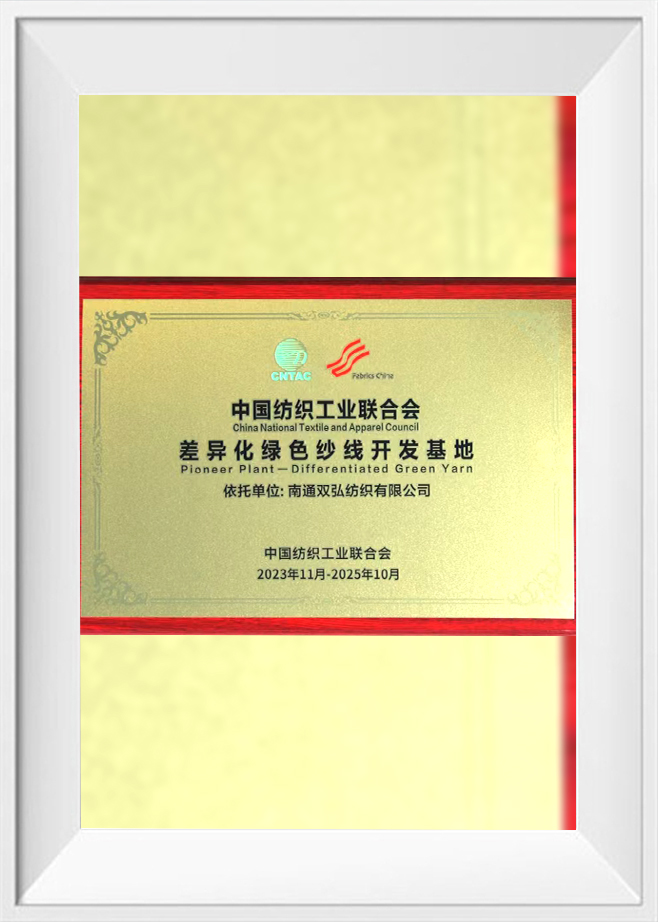
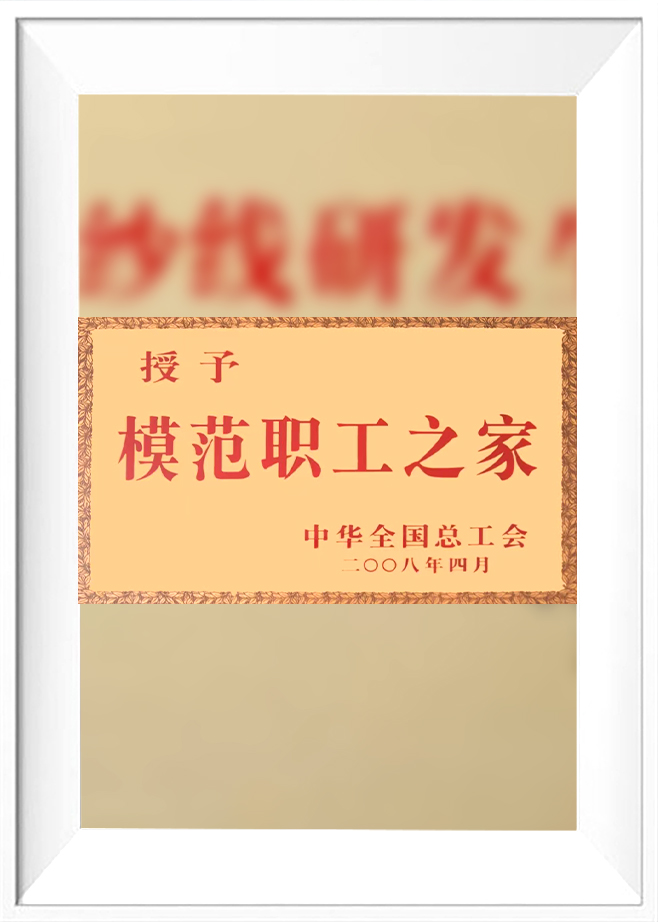
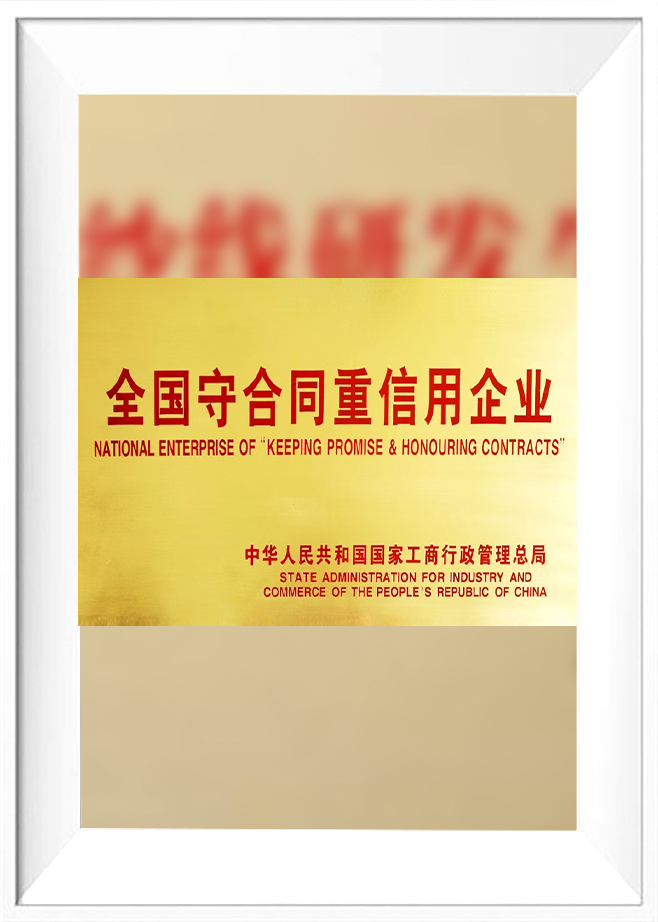
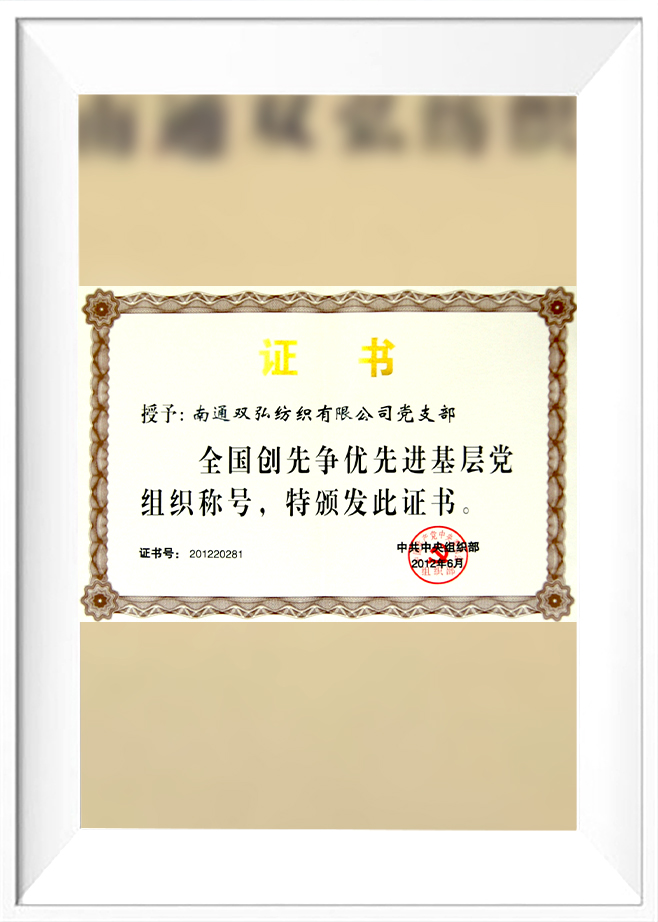
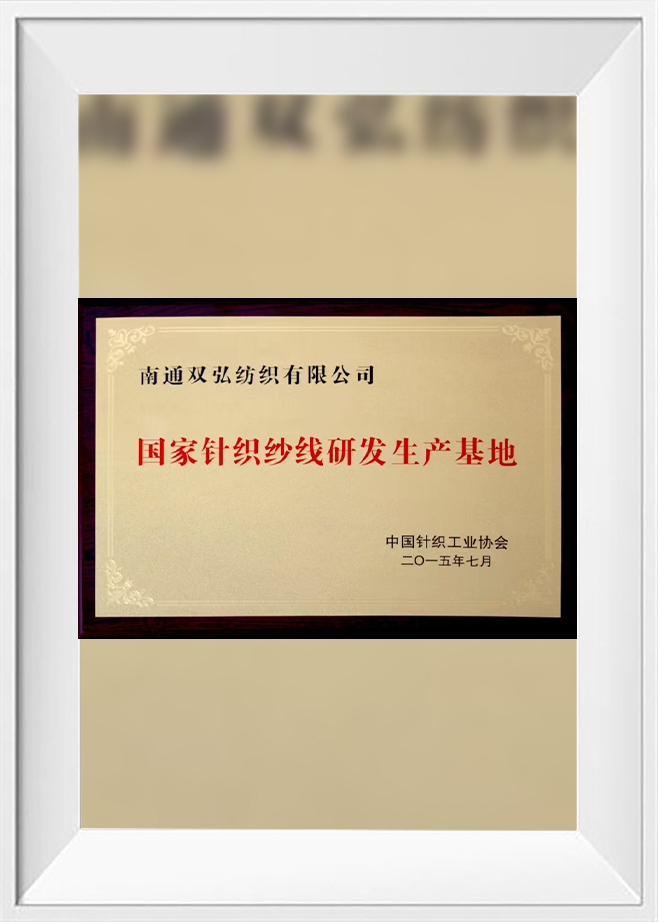
Nantong Double Great Textile Co., Ltd. is a China Low Carbon Footprint Bio Regeneration Yarn Manufacturers and Wholesale Low Carbon Footprint Bio Regeneration Yarn Factory, a cotton spinning enterprise specializing in the production of high-quality yarns. It is the national base for the production of high-quality chemical fiber blended yarns, the national base for the research of knitting yarns, the national base for the development of differentiated green yarns, one of the top 20 producers of polyester short fiber yarns, and a vice chairman unit of the Chinese Cotton Textile Industry Association.

The company mainly produces pure and blended yarns of cotton, polyester, acrylic, eco-friendly viscose, recycled polyester, modal, ECDP, PLA, etc., as well as functional yarns such as nylon graphene, Coolmax, Coolvisinos, ramie, and yak.

The company insists on the business philosophy of "using rigorous management to spin high yarns and attract high-end customers". It has become a supplier for international fashion brands such as LV, H&M, Adidas, and Uniqlo. The company has introduced advanced international equipment from Switzerland, Germany, and Japan. It has the advanced USTER testing equipment and has passed the USTERIZED quality system certification.

The company's laboratory has CNAS accreditation. It is the innovation center for new fiber spinning in the national textile industry, with the Jiangsu New Fiber Spinning Engineering Technology Research Center and the Double Great Research Institute. The company has developed more than 50 new products at the provincial level or above, holds more than 40 national invention patents.

The company upholds the mission of "Every yarn is a ray of sunshine", sets the vision of "Life in the warp and weft, Double Great Textile lasts forever", adheres to the core values of "Innovation, Quality, Integrity, Harmony".

Trusted Partners

Our Strengths, Your Competence

Supplying the world's leading fashion and sportswear brands with consistent quality at scale.

Partner Brand
Partner Brand
Partner Brand
Partner Brand
Payment & Shipping

Logistics & Terms

Payment Terms
  • L/C at sight
  • T/T (30% deposit, balance before shipment)
  • Western Union for sample orders
Shipping Information
  • Shipping Ports: Shanghai or Ningbo Port, China
  • Available via sea freight, air freight, or international express for small batches
  • All shipments are palletized with moisture-proof wrapping
Order Information

Comprehensive Info

MOQ
700 KG per color/spec
Lead Time
16 – 24 Days
Packaging
Export Carton / PP Bag / Palletized
Certifications
OEKO-TEX Standard 100, Third-Party LCA Report
Raw Materials
Bio-Based Fiber + Polyester Staple
Customization Options
Blend ratio · Count · Carbon report scope · Color
FAQ

Frequently Asked Questions

QHow is the carbon footprint actually measured?
We use third-party life-cycle assessment methodology to calculate carbon-per-kilogram figures, covering fiber sourcing through spinning and finishing.
QCan I get a carbon report for a specific production lot?
Yes, lot-specific carbon footprint documentation is available on request alongside your purchase order.
QWhat makes this yarn lower carbon than standard polyester blends?
A combination of a bio-based fiber component, partial renewable energy spinning, and a consolidated regional supply chain that shortens transport distances.
QWhat is the standard blend ratio?
65% bio-based fiber to 35% polyester is standard, adjustable depending on your emissions and performance priorities.
QCan this data support our Scope 3 emissions reporting?
Yes, the documented per-kilogram figures are designed to support supply-chain emissions accounting rather than relying on industry-average estimates.
QWhat is the minimum order quantity?
Standard MOQ is 700kg per color and specification.
QWhat counts are available?
We produce this yarn from 20s to 36s, in both single and plied constructions.
QDoes lower carbon footprint mean lower physical performance?
No, tensile strength and evenness remain comparable to conventional polyester-blend yarn at equivalent count.
QIs the LCA methodology available for our review?
Yes, we can share the verification methodology documentation for review by your sustainability or procurement team.
QCan I request a sample along with the carbon data?
Yes, we provide 1–2kg samples along with the relevant carbon footprint documentation for your evaluation.

Still have questions?

Our textile engineers are ready to help you find the perfect yarn specification for your project.

Contact Our Team

Request a Sample

Get 1–2kg of stock yarn for your initial sampling and quality evaluation.

Free sample available
Express shipping worldwide
Full test report included
Get Free Sample
Related Information

Industry Insights & Resources

Report Real Numbers, Not Estimates

From lot-specific carbon data to bulk supply, our team helps you back up emissions reporting with documented, verified figures.

Get a Quote Download Catalog