 English
 русский
 Español
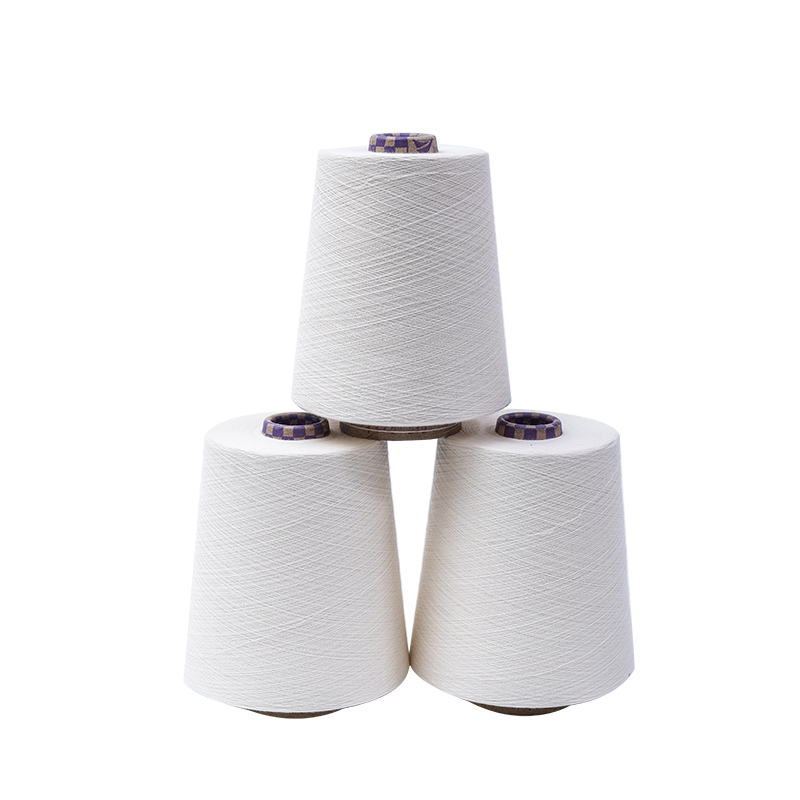
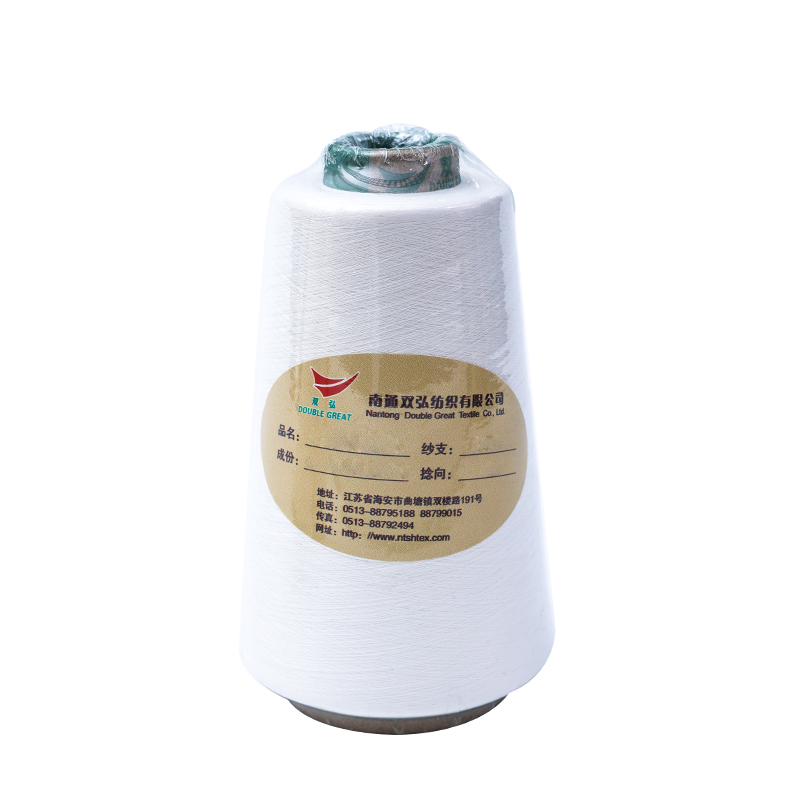
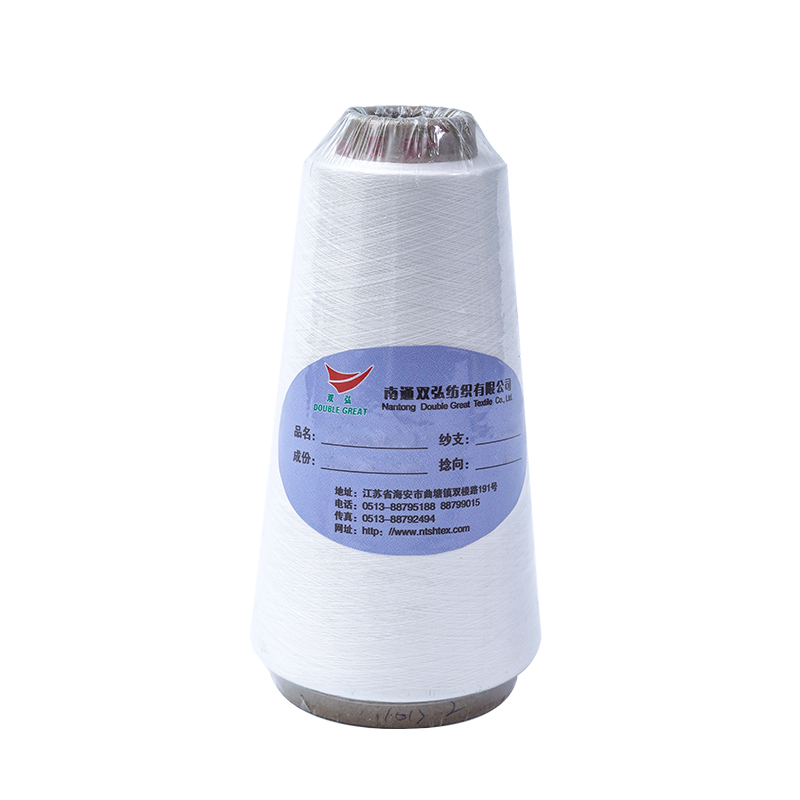
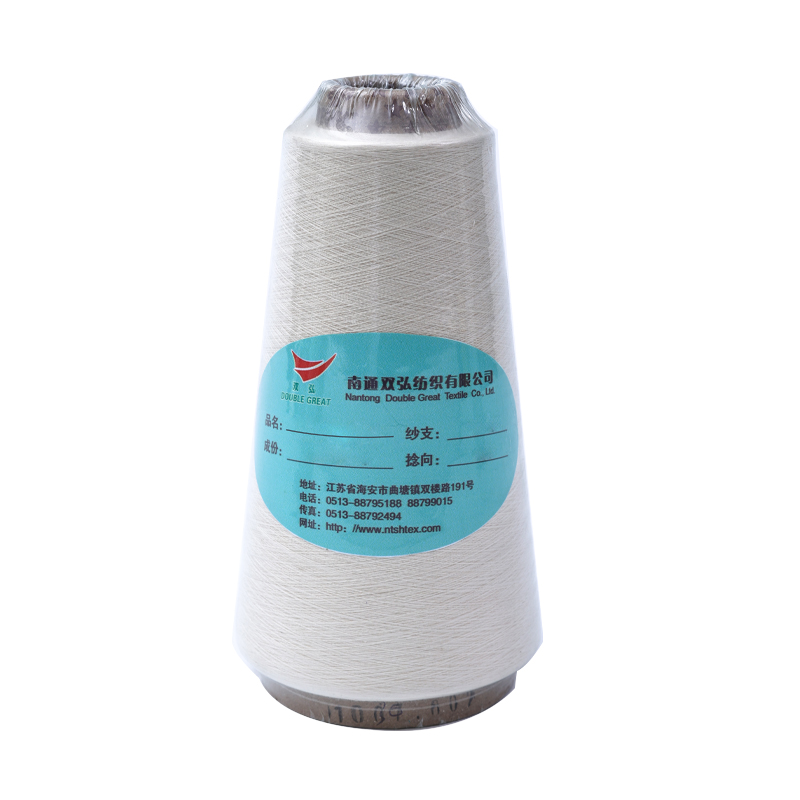
Cotton Blended Yarn has gained significant attention in the textile industry due to its comfort, breathability, and eco-friendliness. It has become a popular choice in the production of apparel and home textiles. Compared to other yarn types, cotton blended yarn offers unique advantages and limitations in terms of strength and durability. This article will analyze the strength and durability of cotton blended yarn from a professional perspective, and compare it with other common types of yarn.
Cotton Blended Yarn Strength Characteristics
The strength of cotton blended yarn depends on the blending ratio and the type of fiber mixed with the cotton. For example, yarns blended with polyester (涤纶) tend to have higher strength than pure cotton yarns. Cotton, being a soft and natural fiber, has lower strength and is prone to breakage or wear. By blending with synthetic fibers such as polyester, the strength of cotton blended yarn is significantly enhanced. Polyester fibers improve the tensile strength and abrasion resistance of cotton blended yarn, making it suitable for applications that require high-strength yarn, such as sportswear and workwear.
Additionally, the strength of cotton blended yarn is closely related to the production process. Advanced textile technologies can further enhance the strength of yarn, such as using high-density weaving or dual-twist yarn techniques to improve tensile and abrasion resistance.
Cotton Blended Yarn Durability
Durability refers to the yarn's ability to withstand daily wear, washing, and environmental factors over time. Cotton blended yarn generally offers better durability than pure cotton yarn due to the addition of synthetic fibers. Synthetic fibers such as polyester and nylon are highly resistant to aging, UV rays, and abrasion, making cotton blended yarn more durable than pure cotton. This durability makes it ideal for applications that require long-term use and frequent washing, such as outdoor products and industrial workwear.
The durability of cotton blended yarn also depends on the proportion of cotton in the blend. The higher the cotton content, the more natural the yarn, which may result in lower durability. For products that require high durability, such as outdoor gear or industrial workwear, a higher ratio of polyester or nylon is often used to ensure yarn strength and longevity.
Comparison with Other Yarn Types
1. Pure Cotton Yarn vs Cotton Blended Yarn
Pure cotton yarn has lower strength, especially in wet conditions, and is more prone to breakage. Cotton blended yarn, on the other hand, benefits from the addition of synthetic fibers, significantly enhancing the strength and durability of the yarn. Additionally, cotton blended yarn has better wrinkle resistance and shape retention compared to pure cotton yarn.
2. Polyester-Cotton Blended Yarn vs Cotton Blended Yarn
Polyester-cotton blended yarn is a common type of cotton blended yarn, usually made by mixing cotton and polyester in various proportions. Polyester-cotton blended yarn is stronger and more durable, especially in terms of abrasion resistance, tensile strength, and washability. Pure cotton yarns, on the other hand, are more suited for products that prioritize comfort, while polyester-cotton yarns are ideal for products requiring durability.
3. Wool Blended Yarn vs Cotton Blended Yarn
Wool blended yarn has better elasticity and is ideal for soft, warm fabrics. However, its strength and durability are typically lower than those of cotton blended yarn. Wool fibers are finer and more delicate, prone to wear and tear. In contrast, cotton blended yarn, with its blend of cotton and synthetic fibers, offers superior durability and resistance to friction, making it more suitable for everyday use and frequent washing.
Applications of Cotton Blended Yarn
The strength and durability of cotton blended yarn make it widely used in many industries. Especially in clothing, home textiles, outdoor products, and industrial fabrics, the advantages of cotton blended yarn are evident. For example, sportswear and workwear require high strength and durability, and cotton blended yarn can meet these needs. Additionally, home textile products like bed sheets and towels need high moisture absorption and comfort, which cotton blended yarn can provide as well.