 English
 русский
 Español
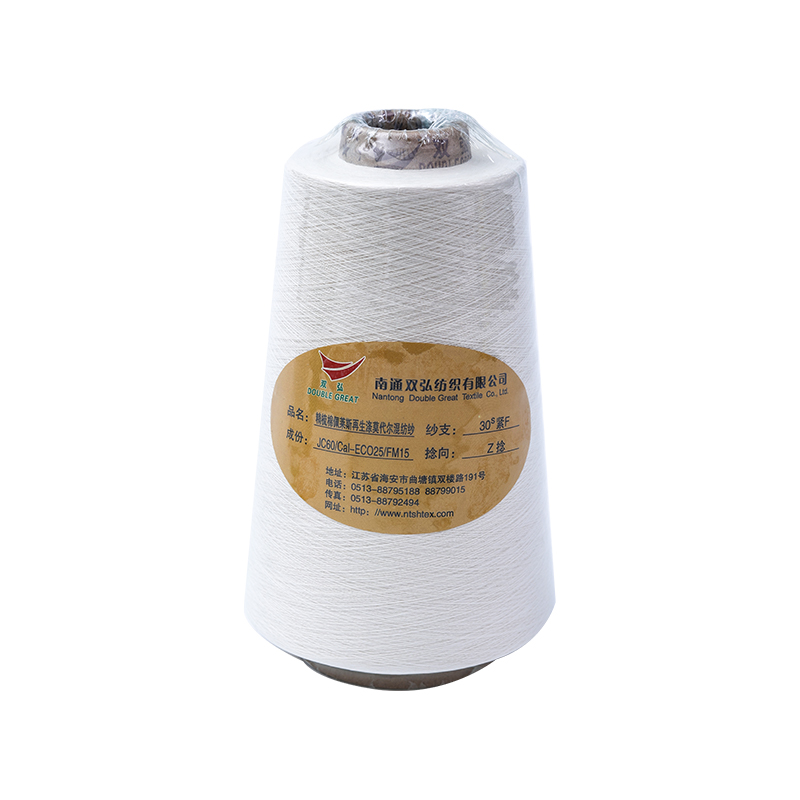
Soft Sensation Yarn, known for its unique softness and exceptional comfort, is a popular choice among hand-knitting enthusiasts and fashion designers. Whether it's for knitting sweaters, scarves, or other craft projects, the dyeing process plays a crucial role in determining its appearance and feel. This article provides a detailed explanation of the dyeing methods used for Soft Sensation Yarn, helping you understand the key factors in the dyeing process.
Overview of Soft Sensation Yarn Dyeing Process
The dyeing methods of Soft Sensation Yarn mainly depend on its fiber composition and structure. Typically, Soft Sensation Yarn consists of synthetic fibers like polyester or nylon blended with natural fibers such as cotton, wool, or silk. The choice of dyeing technique is influenced by the materials involved, as synthetic and natural fibers require different dyeing processes and dye types.
Preparation Before Dyeing
Before dyeing, Soft Sensation Yarn undergoes a preparation process. First, the yarn is thoroughly washed to remove any impurities or oils that might affect the dyeing process. This step ensures that the dye can penetrate the fibers evenly, leading to optimal color results. After washing, the yarn is usually left to dry to maintain its soft texture.
The dyeing method is then chosen based on the fiber composition. Synthetic and natural fibers require different dyeing techniques, and the dyeing process is tailored accordingly.
Dyeing Methods for Synthetic Fibers
For Soft Sensation Yarn that is primarily composed of synthetic fibers like polyester or nylon, the common dyeing methods include acid dyes and disperse dyes. The dyeing process for synthetic fibers is often more complex, requiring higher temperatures and longer dyeing times to ensure that the dye fully penetrates the fibers.
Disperse Dyeing Method
Disperse dyes are specifically designed for dyeing synthetic fibers, such as polyester and nylon. These dyes work by dispersing dye particles in water, which then penetrate the fibers at higher temperatures. The dyeing temperature typically needs to reach around 100°C to ensure the dye achieves optimal color penetration. Disperse dyes are particularly effective in creating vibrant and durable colors on synthetic fibers.
Acid Dyeing Method
Acid dyes are used primarily for dyeing nylon, wool, and some synthetic fibers. These dyes work by forming chemical bonds with the amino groups present in the fibers, ensuring a strong bond and creating vivid, long-lasting colors. Acid dyeing is generally done at a lower pH and higher temperatures, offering excellent color fastness and a rich sheen on the fibers.
Dyeing Methods for Natural Fibers
When Soft Sensation Yarn contains natural fibers, the dyeing process varies slightly. Natural fibers like wool, cotton, and silk are typically dyed using reactive dyes, acid dyes, or natural plant-based dyes.
Reactive Dyeing Method
Reactive dyes are commonly used for dyeing cotton and other plant-based fibers. These dyes form a covalent bond with the hydroxyl groups present in the fiber, ensuring that the dye is firmly attached. Reactive dyes offer excellent color fastness, washability, and brightness, making them ideal for cotton and other natural fibers. The dyeing process typically occurs at a lower temperature, which makes it energy-efficient and less harsh on the fibers.
Natural Dyeing Method
For those seeking eco-friendly or artisanal products, natural dyes are derived from plants, roots, leaves, and other natural materials. While this process is more time-consuming and may not offer as vibrant or consistent colors, it provides an organic, sustainable alternative to synthetic dyes. Plant-based dyeing is typically done through immersion in hot water, and it produces colors that vary depending on the plant source and the processing technique used.
Acid Dyeing Method for Natural Fibers
Acid dyes are also widely used to dye natural fibers like wool and silk. When applied to natural fibers, acid dyes create bright, rich colors with excellent color fastness. The dye reacts with the protein molecules in the fibers, ensuring that the color is fixed. This method is particularly popular for dyeing wool-based Soft Sensation Yarn due to the rich, lustrous finish it imparts.
Post-Dyeing Treatments
Once dyeing is completed, Soft Sensation Yarn undergoes several post-dyeing treatments to ensure color longevity and enhance the yarn's overall texture.
Washing
After dyeing, the yarn is thoroughly washed to remove any residual dye or chemicals. This step helps in improving the color fastness, preventing the dye from bleeding or fading over time.
Color Fixing
To improve the water and light resistance of the dye, color fixatives may be applied. These fixatives help to stabilize the dye within the fiber, ensuring that the colors remain vibrant and do not fade or discolor over time, even with repeated washing.
Finishing
Finally, the yarn undergoes a finishing process that restores its softness and smoothness. This ensures that the yarn maintains its pleasant touch and quality throughout the crafting process. Finishing also contributes to the yarn's ability to glide smoothly through knitting or crochet needles, providing a flawless crafting experience.
Innovations in Dyeing Technology
With advancements in technology, Soft Sensation Yarn's dyeing methods are constantly evolving. One significant development is the use of eco-friendly dyeing techniques, which aim to reduce environmental impact by using sustainable dyes and energy-efficient processes. These methods minimize water usage and eliminate harmful chemicals from the dyeing process, making them more environmentally responsible.
Additionally, digital dyeing technology is gaining popularity. This innovative method allows for precise control over the dyeing process, enabling more personalized and customized color patterns. Digital dyeing provides better consistency, reduces waste, and allows manufacturers to achieve more intricate and varied color designs for Soft Sensation Yarn.